Upkalpana therapy
Classical blood purification therapy — performed only by the doctor, for specific disorders.
✓ Prescribed by Dr. Gaurav Sharma after your diagnosis
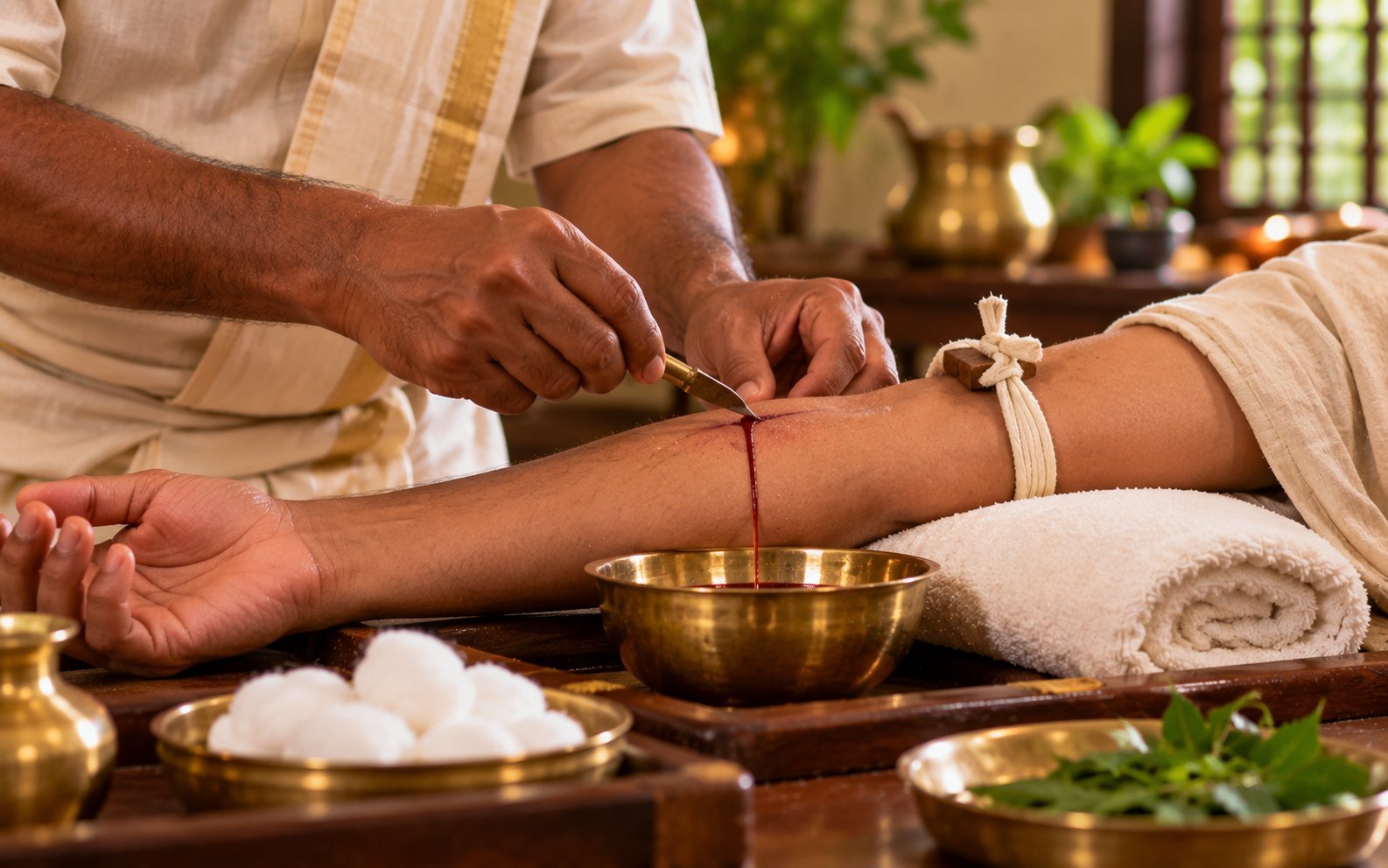
Siravedha is a classical Ayurvedic blood purification procedure. In it, the doctor removes a small, controlled quantity of impure blood from a vein, following the method described in the classical Ayurvedic texts. It belongs to the Raktamokshana family of therapies — procedures that address problems rooted in the blood.
It is not a routine therapy. Siravedha is advised only for specific, deep-rooted skin disorders and blood-related problems where medicines and external therapies have not been enough. The idea is simple: when the blood itself carries the impurity that keeps a problem returning, clearing a small quantity of it can help the body reset.
Most patients never need Siravedha. Medicines, diet and external therapies come first, and they are enough for most people. The doctor advises Siravedha only after a careful examination, and only when the classical texts indicate it for your condition.
Siravedha is advised only when the problem is deep-rooted and other treatments have not been enough.
If any of these sound like you, this therapy was made for your problem.
Siravedha is never a first choice. If you have a skin problem, start with a consultation — the doctor will tell you honestly whether you need it at all.
Siravedha is only for patients where the doctor finds a classical indication for it after examination. It is a targeted procedure, not a general treatment, and it is never given to everyone.
Whether Siravedha suits you is decided by the doctor after examination — not by the patient, and not by a package.
A typical session lasts as per the procedure — the doctor decides the schedule after diagnosis.
Consultation and fitness assessment. Dr. Gaurav Sharma examines you in detail, confirms the classical indication, and checks that you are fit for the procedure.
Preparation. The doctor gives you clear instructions for the days before the procedure — diet, medicines and what to avoid.
The procedure. Done by the doctor personally, under sterile conditions, using single-use sterile instruments. It is brief and controlled.
Observation and rest. You rest at the hospital and are observed before going home.
Aftercare. Post-procedure medicines and a diet chart are given. The doctor explains what to do and what to avoid in the days after.
Follow the doctor's preparation and aftercare instructions exactly — they are part of the procedure, not optional extras.
At Adinath, Siravedha is performed by Dr. Gaurav Sharma personally — never delegated. It is done only after strict diagnosis, under sterile conditions, with single-use sterile instruments. The doctor first confirms that you genuinely need it, and that you are fit for it.
After the procedure, you receive medicines and a diet chart, and the doctor explains your aftercare in detail. If at any point the doctor feels you do not need Siravedha, it is not done — medicines and external therapies come first.
Siravedha is done only after strict diagnosis, under sterile conditions, by Dr. Gaurav Sharma personally, using single-use sterile instruments. Most patients never need it — medicines and external therapies come first.
Tell the doctor first if you are pregnant, anaemic, have low blood pressure, a bleeding disorder, or take blood-thinning medicines. These must be discussed before the doctor decides anything.
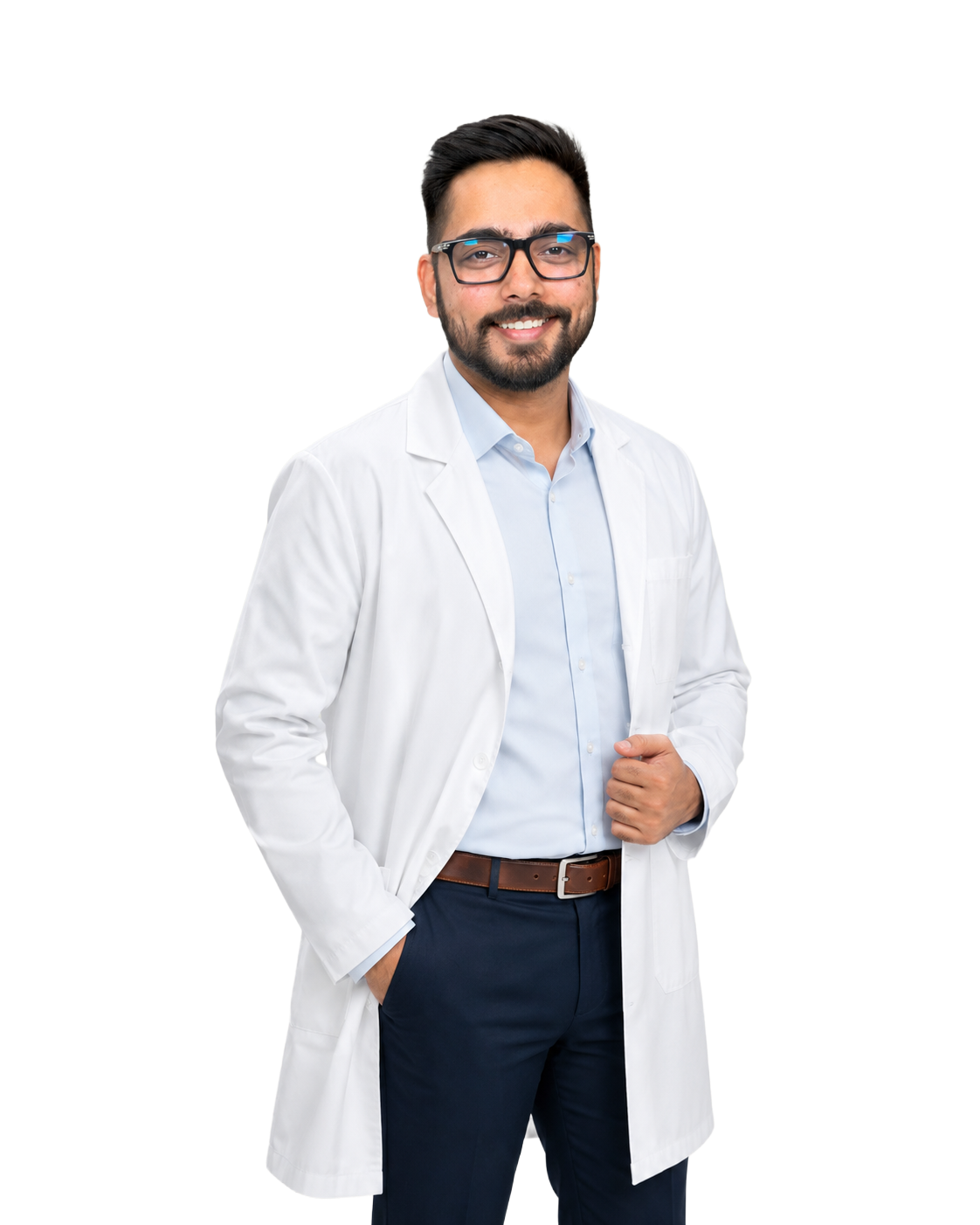
BAMS · Fellowship, NIA Jaipur · Member IFM USA · Panchakarma Specialist
Every therapy at Adinath is prescribed by Dr. Gaurav Sharma himself — after Nadi Pariksha and your diagnosis. Never a fixed package.
Patient stories
★★★★★
"My open pores, pigmentation and acne cleared after five facial therapy sessions. Thank you Dr. Gaurav Sharma Sir and Adinath Ayurveda Hospital."
— LearnLoop (Acne & Pigmentation)
Posted on Google
★★★★★
"Ulcerative colitis much improved with Ayurveda here. Detailed guidance on medicines, diet and lifestyle — nothing felt rushed."
— Sourav Sain (Ulcerative Colitis)
Posted on Google
★★★★★
"Digestive issues resolved after a detailed consultation with proper diet advice. Jaipur’s best ayurvedic skin doctor."
— Anil Kumar (Digestion)
Posted on Google
★★★★★
"Came from Germany with psoriasis — it improved dramatically and my skin is now clear. Highly recommend Dr. Gaurav Sharma."
— Ale A. (Psoriasis)
Posted on Google
★★★★★
"Stomach ulcers that didn’t improve elsewhere got a lot better in just 7 days. The best Ayurveda doctor."
— Vikram Singh (Stomach Ulcers)
Posted on Google
Siravedha is a classical blood purification procedure, advised only for specific deep-rooted skin disorders and blood-related problems where medicines have not been enough. Most patients never need it.
The procedure itself is brief. The doctor decides the full schedule — including preparation and rest — after your diagnosis.
Siravedha is usually a one-time procedure when advised. Whether it is repeated, and when, is decided by the doctor after seeing your response.
It is mild and brief. The doctor uses the classical, minimal technique, and the team guides you throughout.
Yes, when done by a qualified doctor under sterile conditions with single-use instruments. People who are pregnant, anaemic, have low blood pressure, a bleeding disorder, or take blood thinners must tell the doctor first.
Rest, follow the doctor's diet chart, take the prescribed medicines, and avoid heavy work as advised. The doctor explains your aftercare in detail.
No — never. It is a clinic-only procedure, performed by the doctor under sterile conditions.
Wear comfortable clothes. Eat only what the doctor advises before and after the procedure — the preparation and recovery diet are part of the treatment.
No. It is advised only for specific conditions where the classical texts indicate it. Most patients are treated successfully with medicines and external therapies.
Dr. Gaurav Sharma personally — it is never delegated to anyone else.
Tell us your problem on WhatsApp — we’ll tell you honestly whether Ayurveda can help.
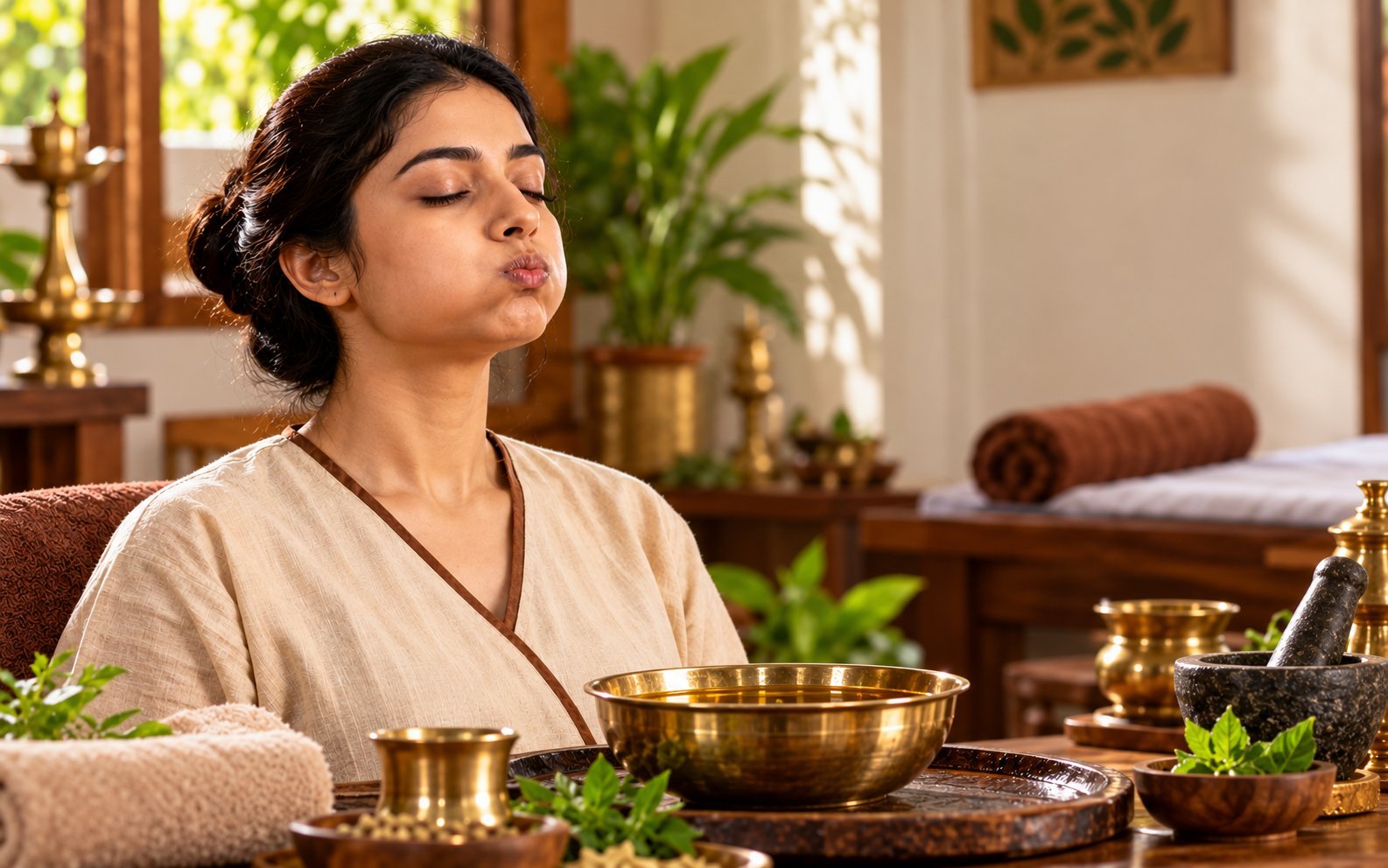 GandushTap to read full details
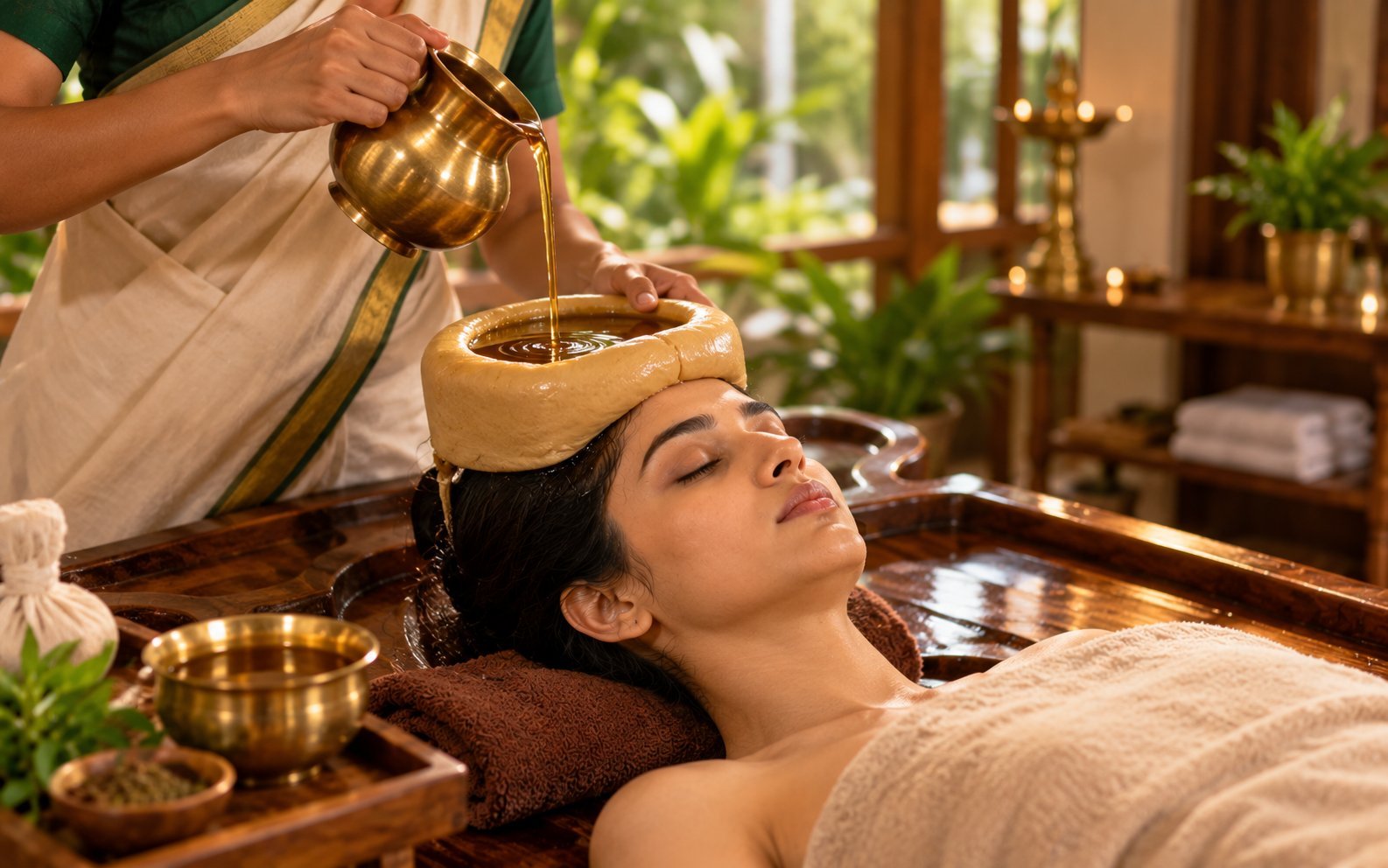 ShirovastiTap to read full details
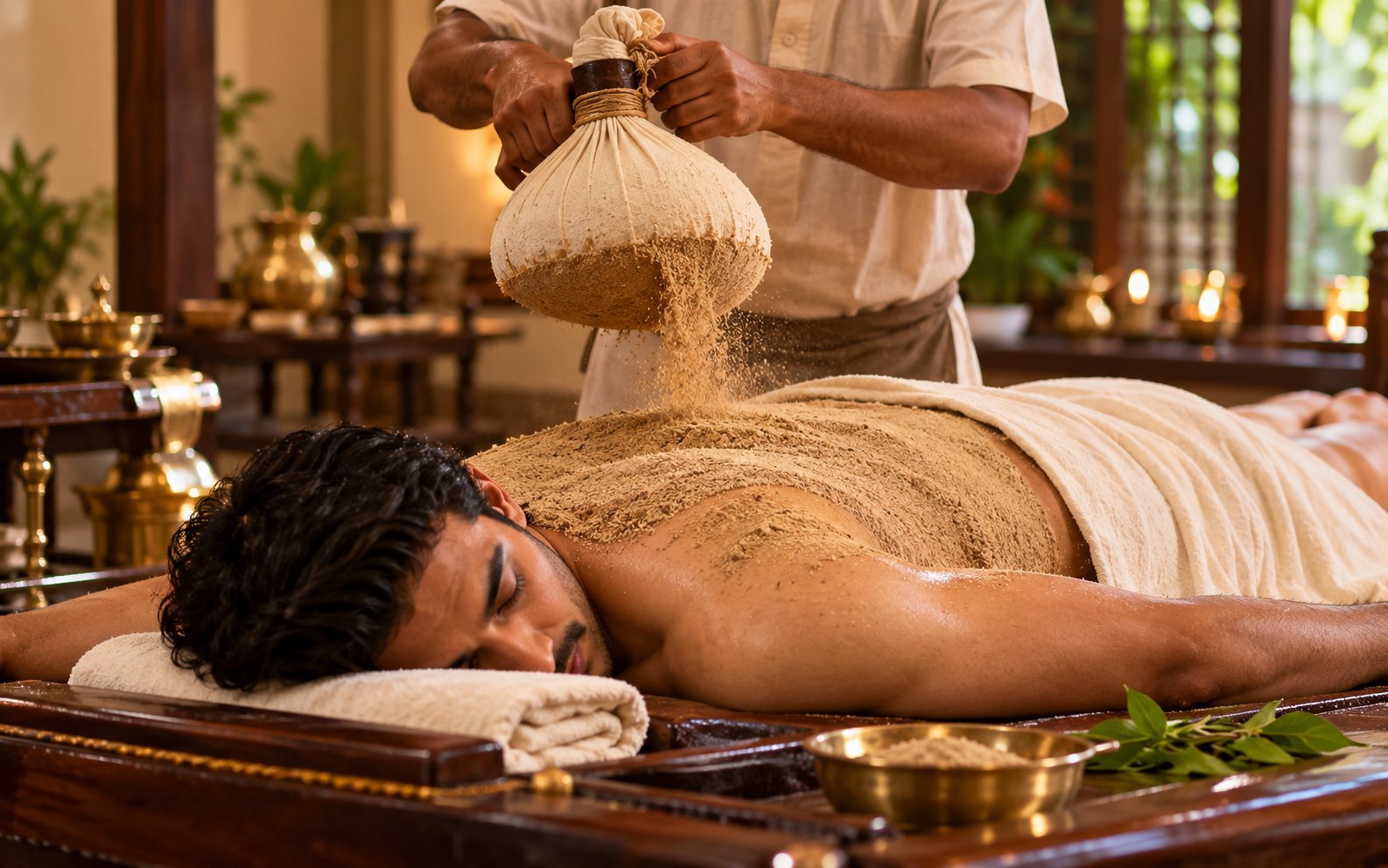 Valuka SwedaTap to read full details
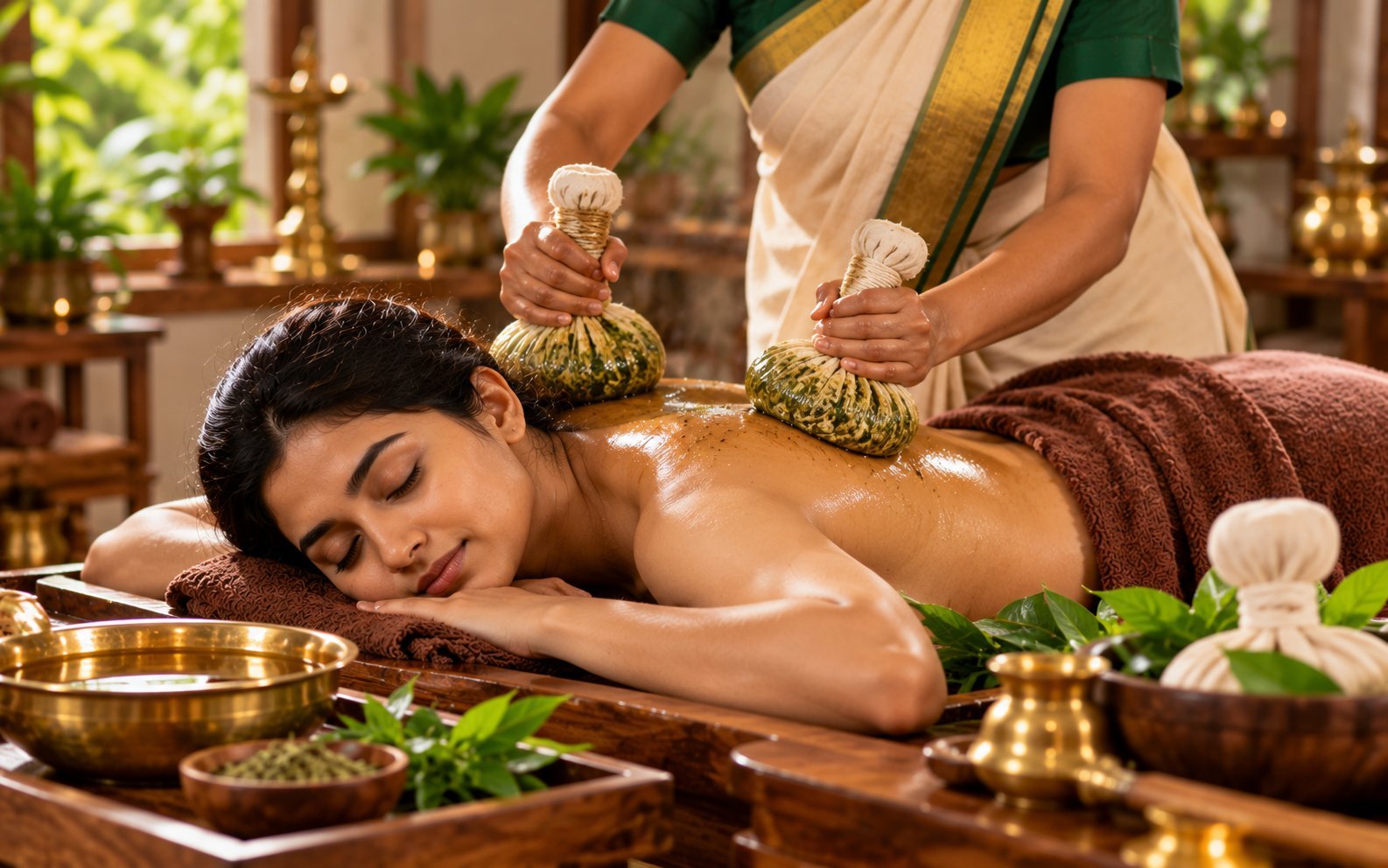 Patra Pottali SwedaTap to read full details
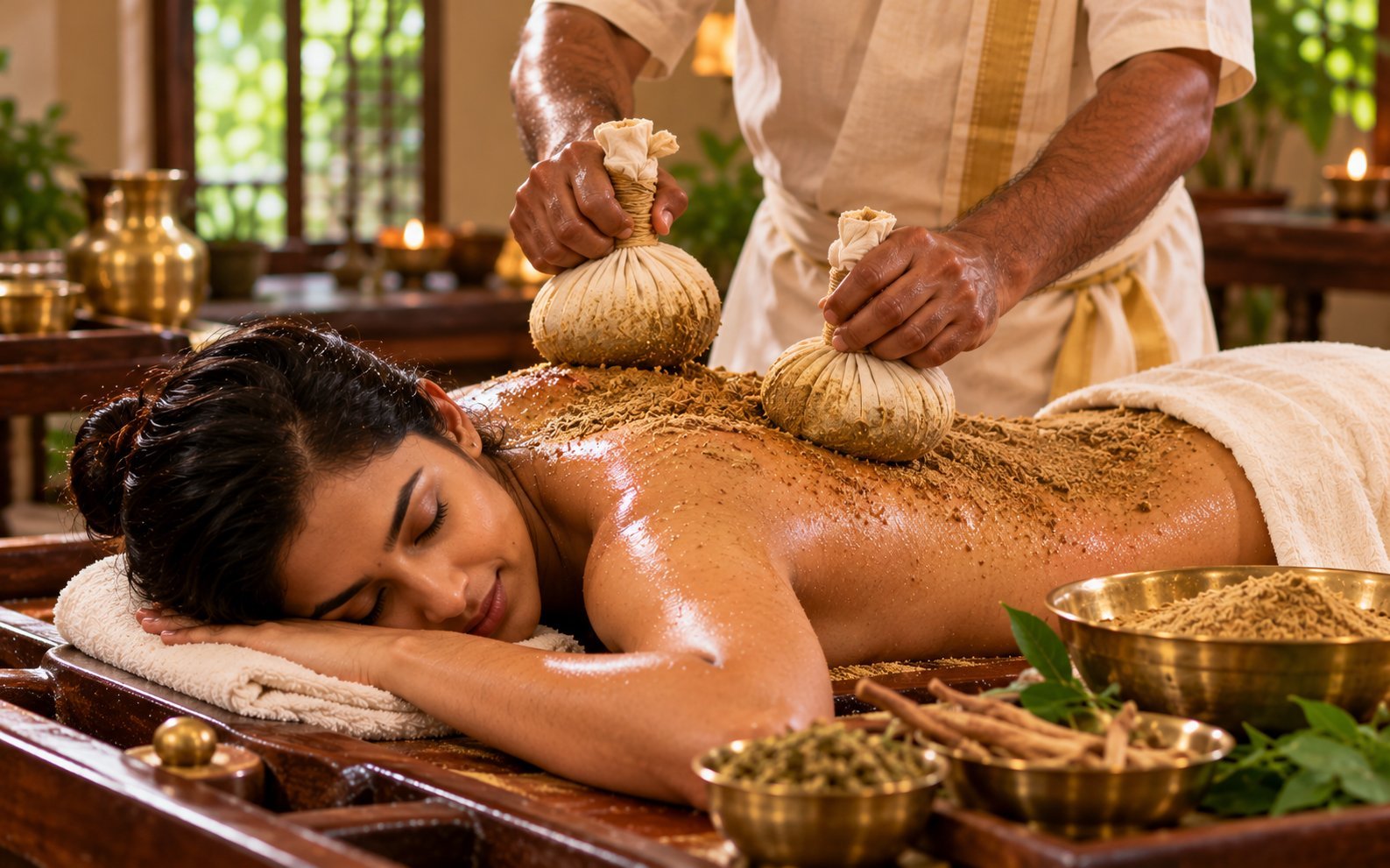 Churna Pinda SwedaTap to read full details
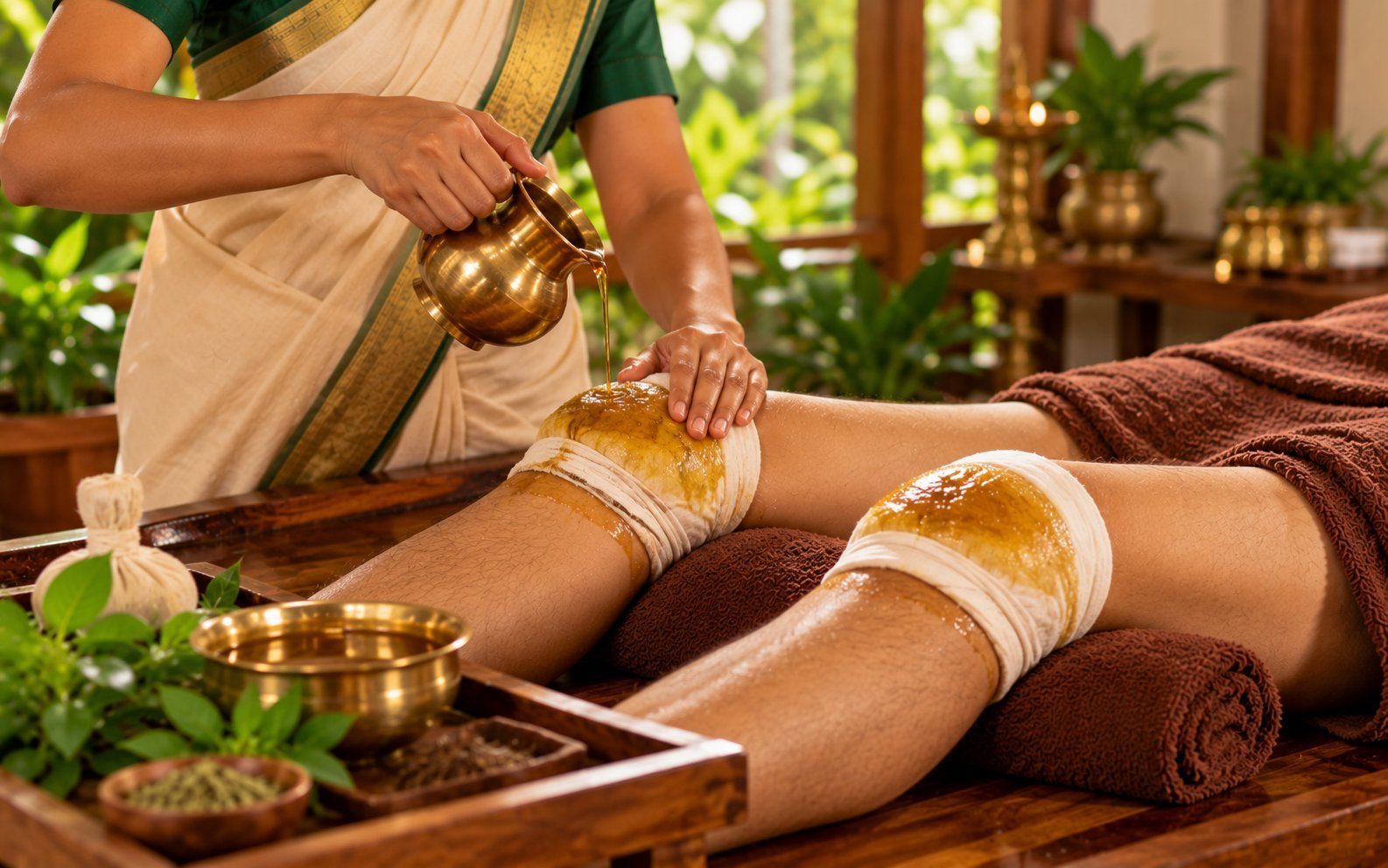 Janu PichuTap to read full details
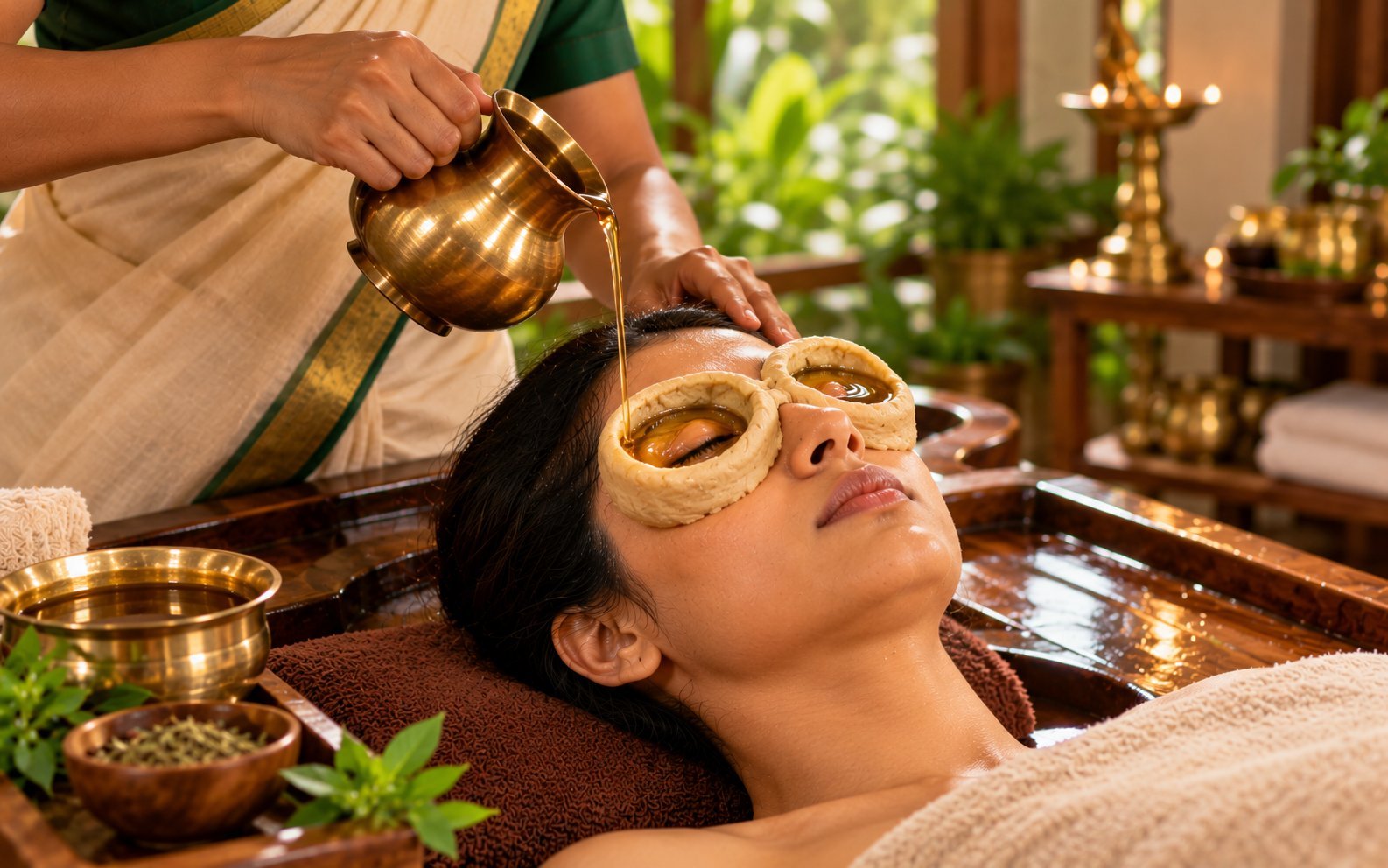 Netra BastiTap to read full details
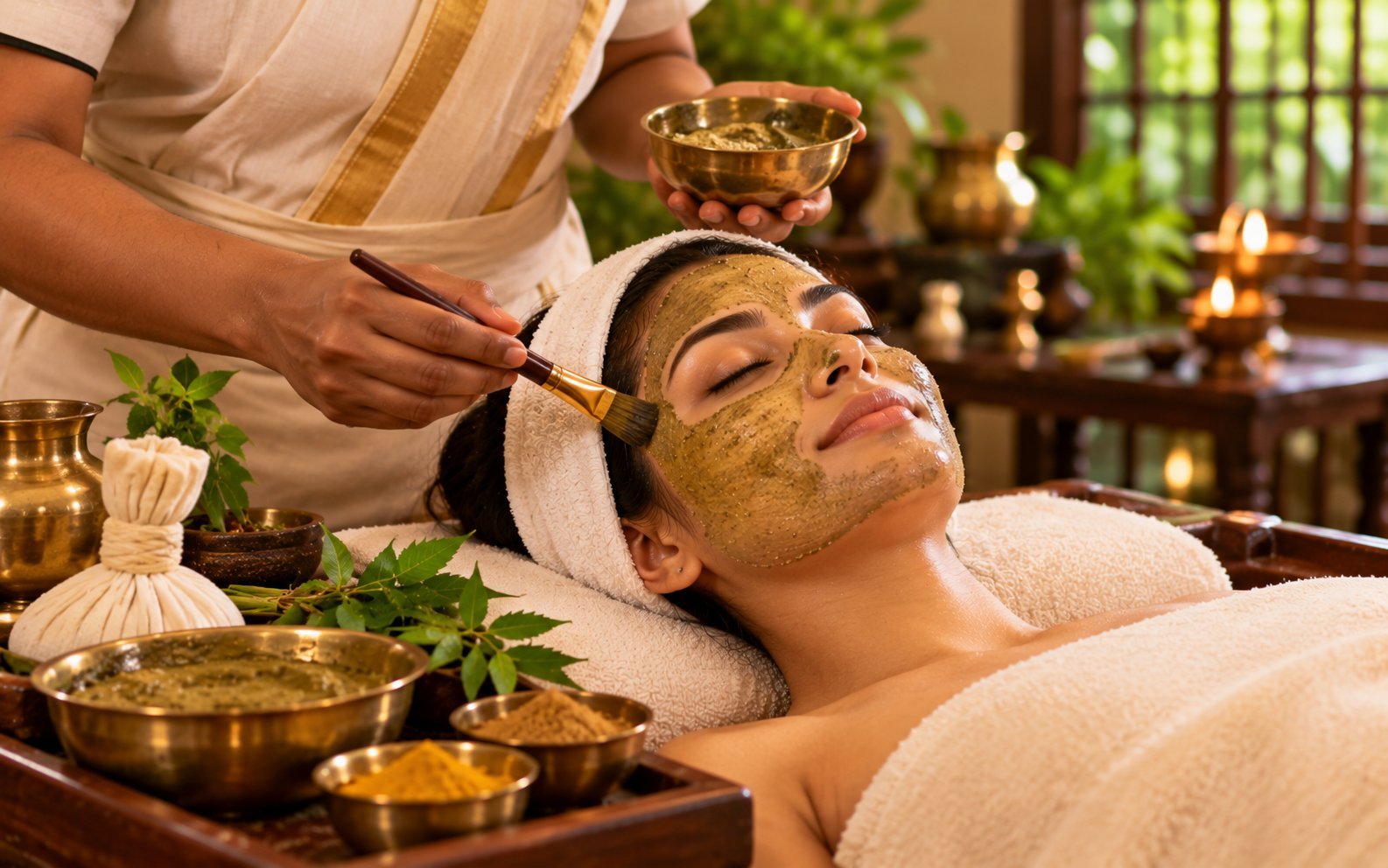 Ayurvedic FacialTap to read full details
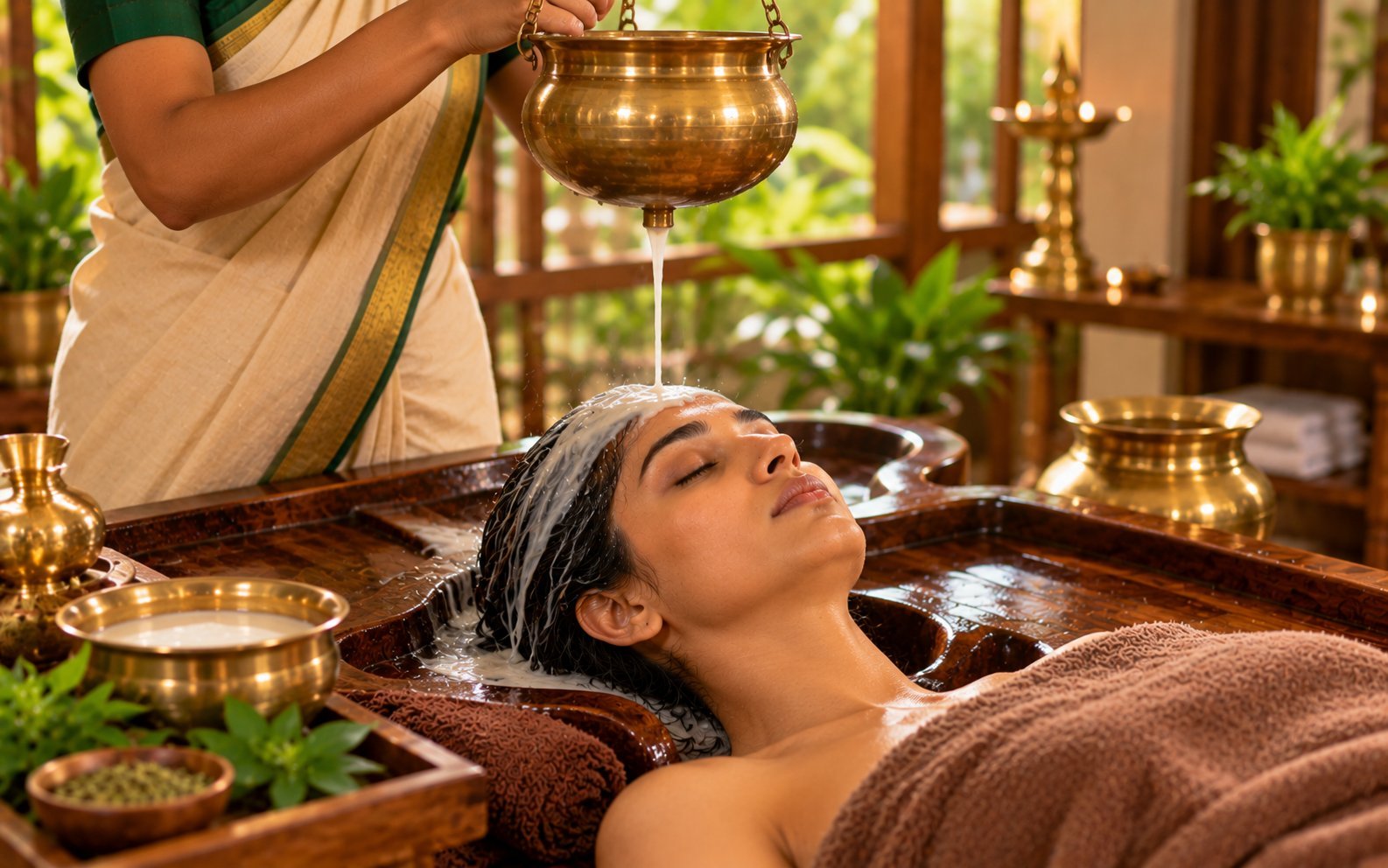 TakradharaTap to read full details
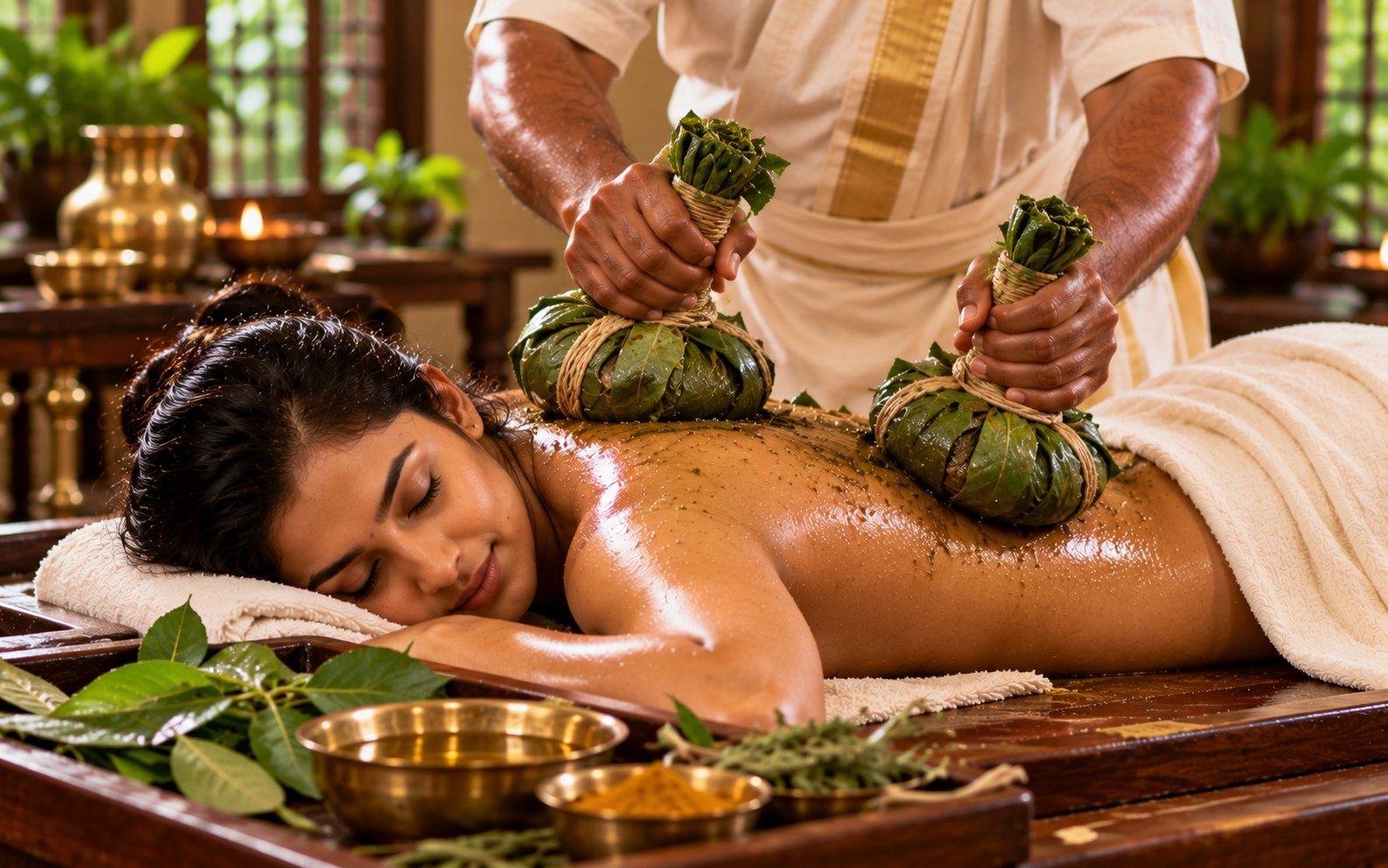 Patra Pinda SwedaTap to read full details
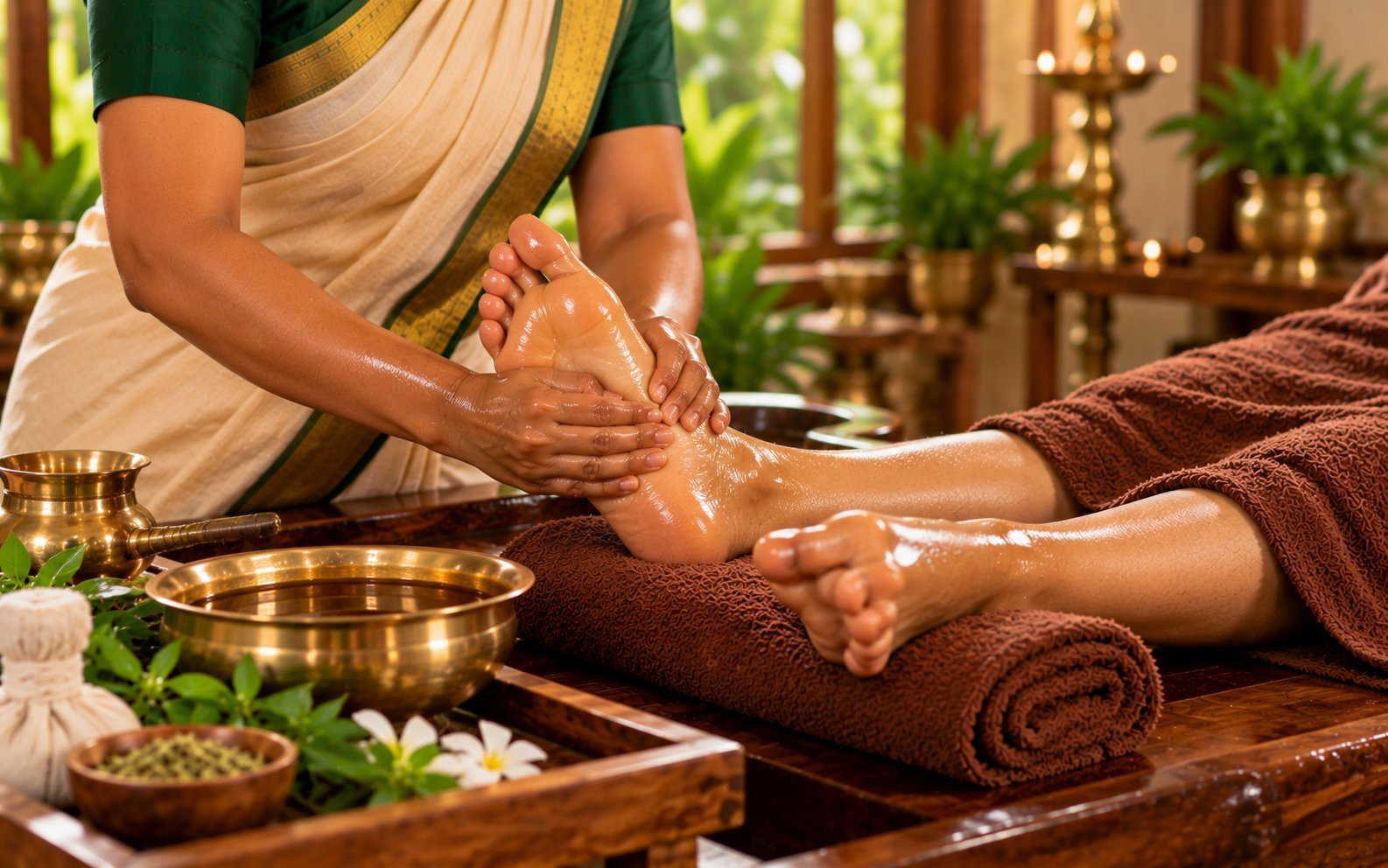 PadabhyangaTap to read full details
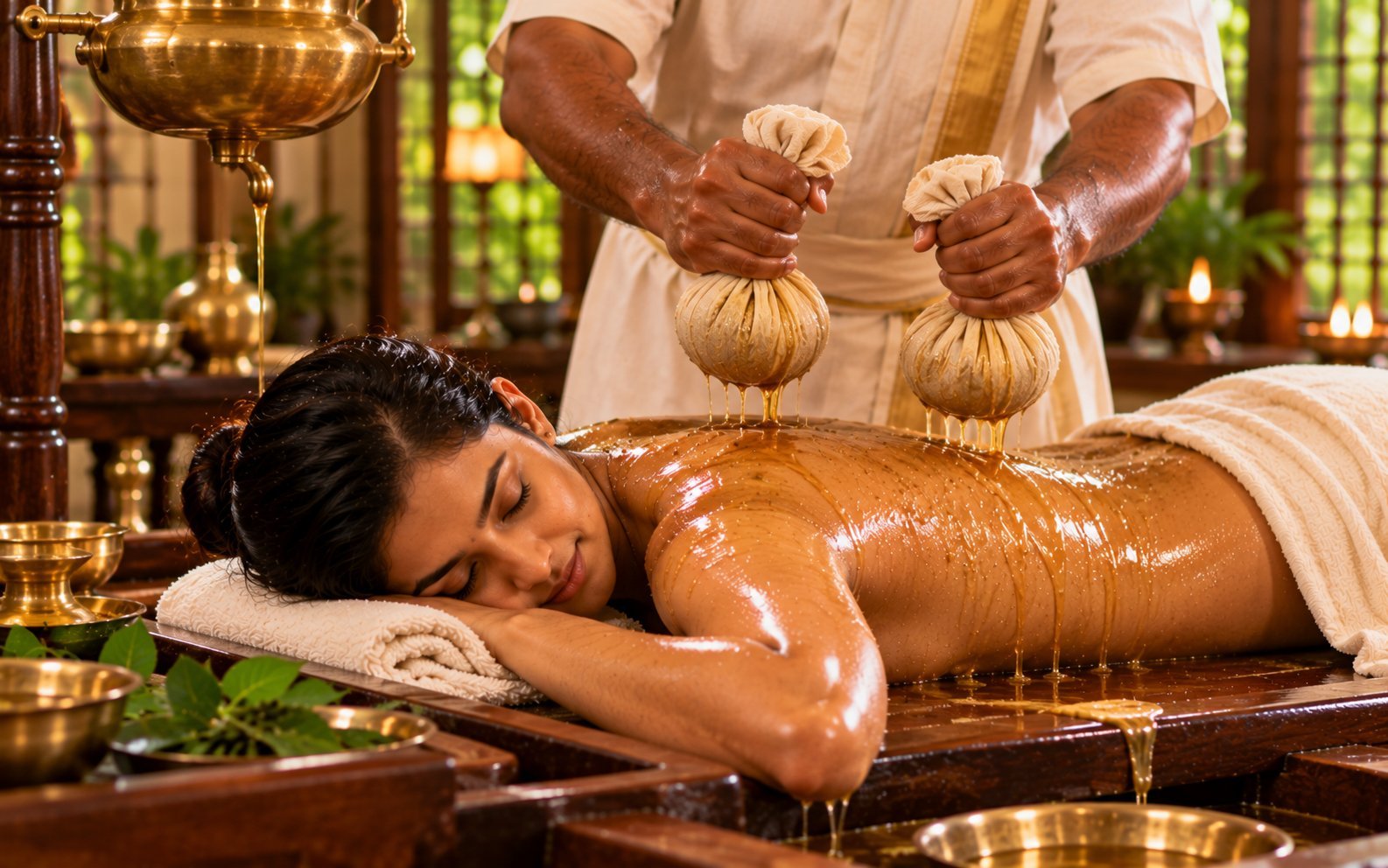 PizhichilTap to read full details
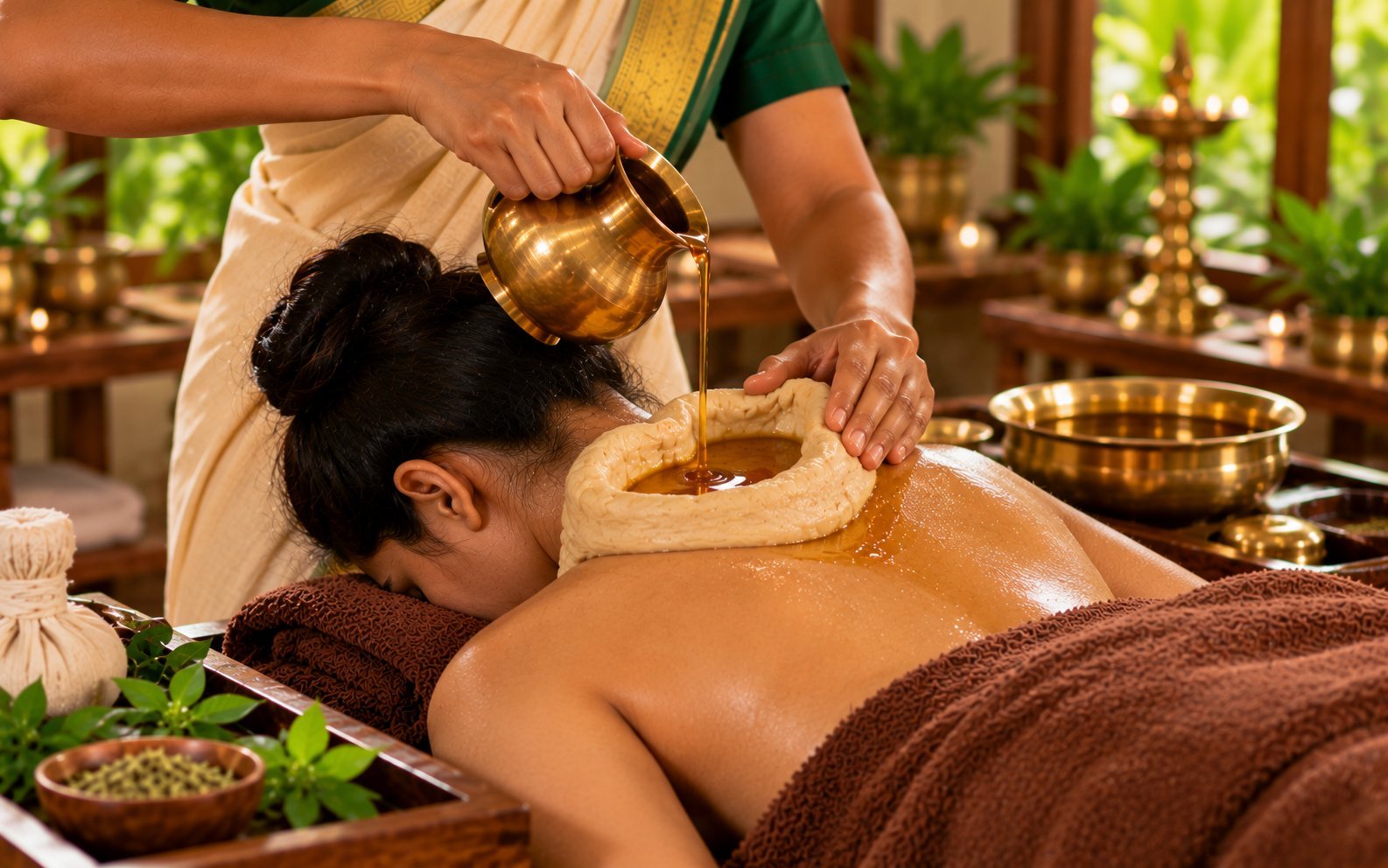 Greeva BastiTap to read full details
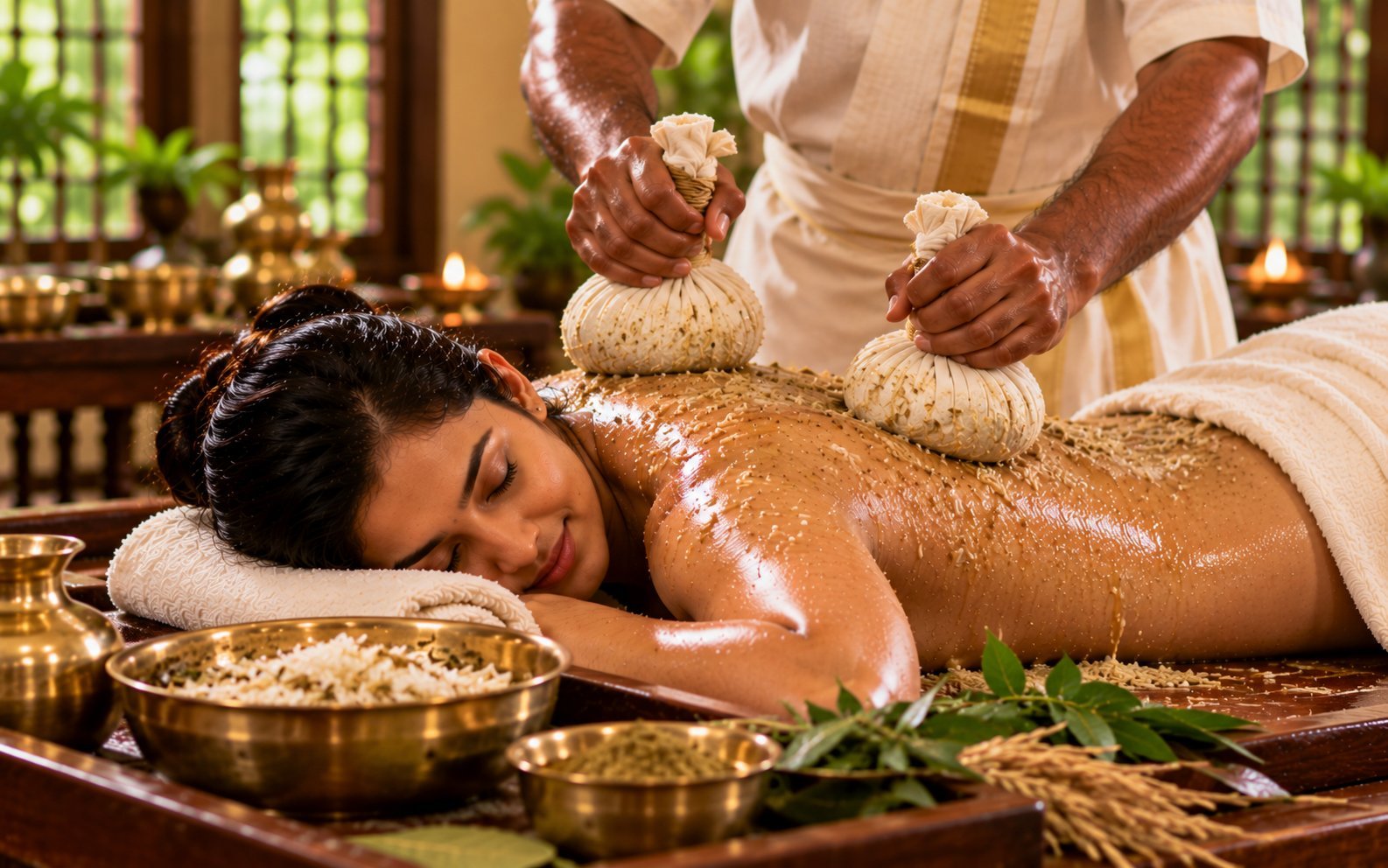 Shastika Shali Pinda SwedaTap to read full details
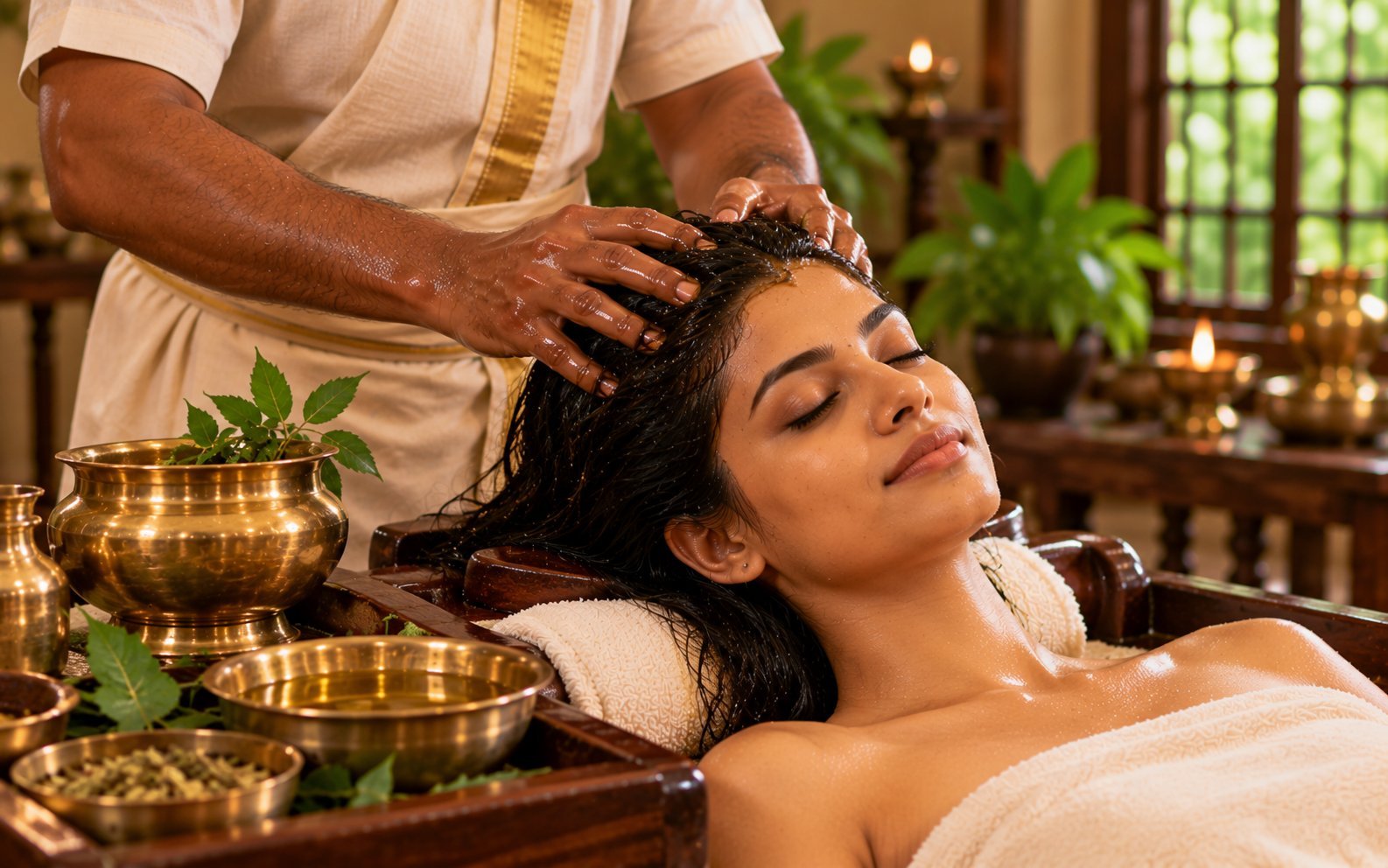 ShiroabhyangaTap to read full details
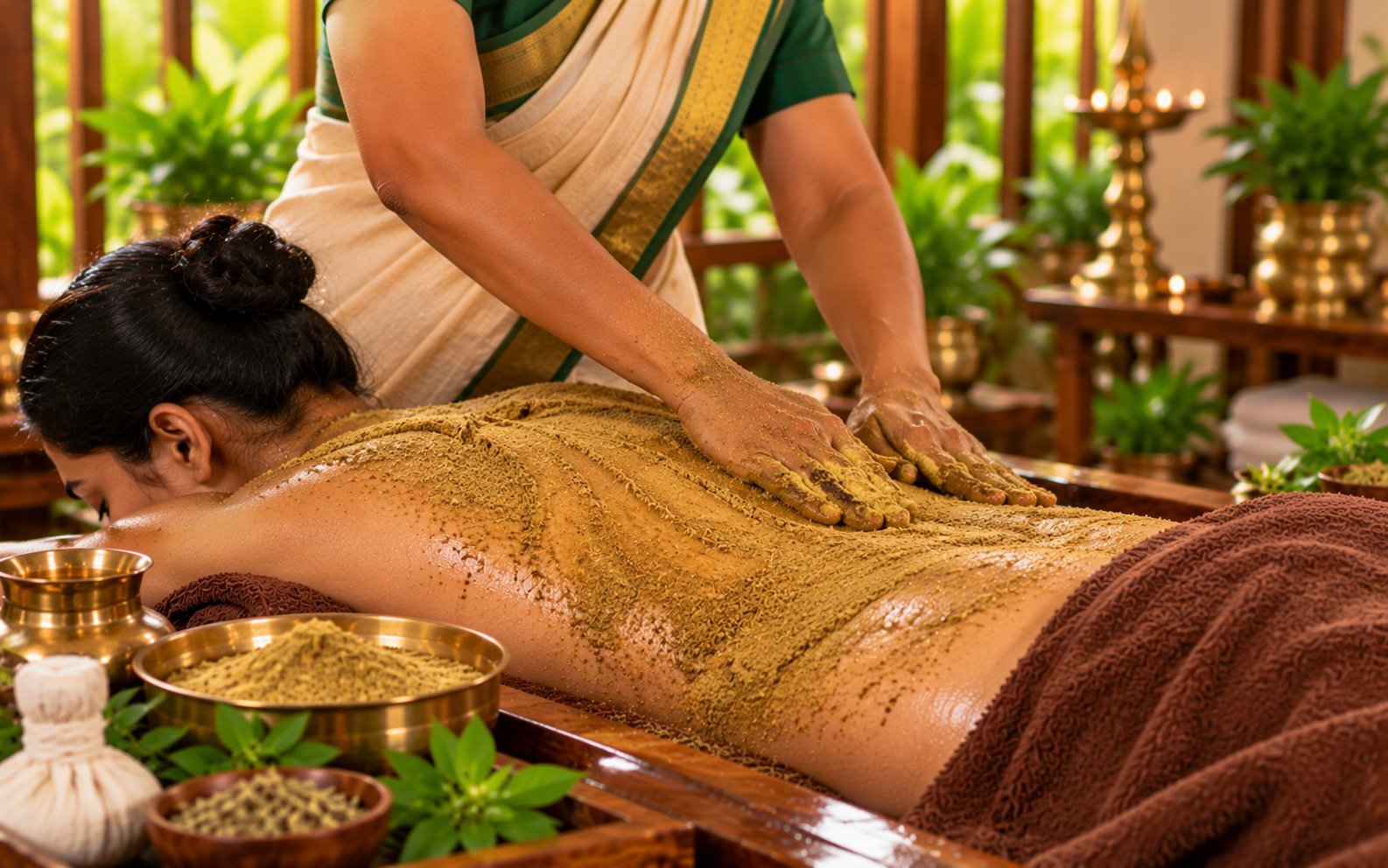 UdvartanaTap to read full details
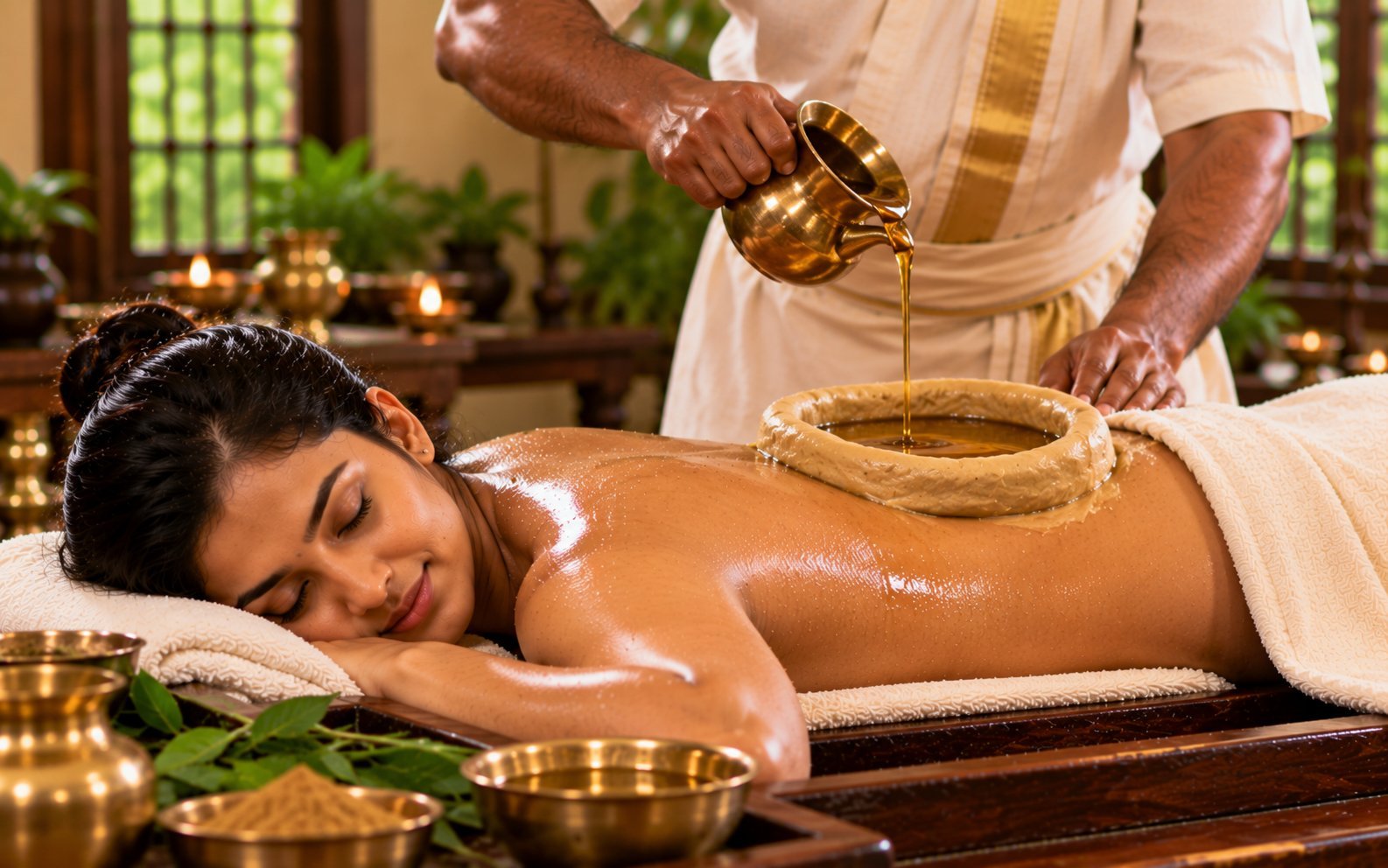 Kati BastiTap to read full details
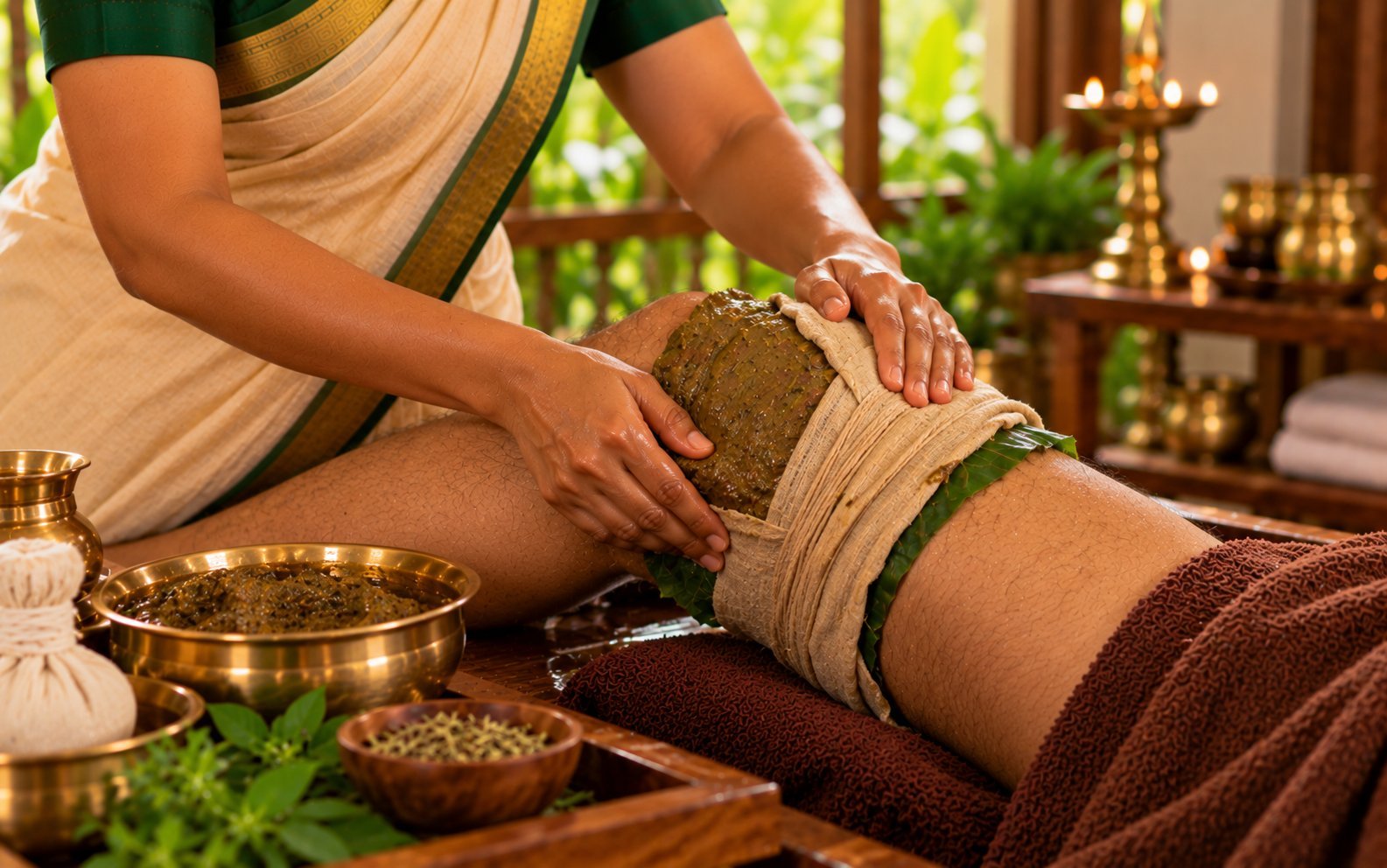 Upanaha SwedaTap to read full details
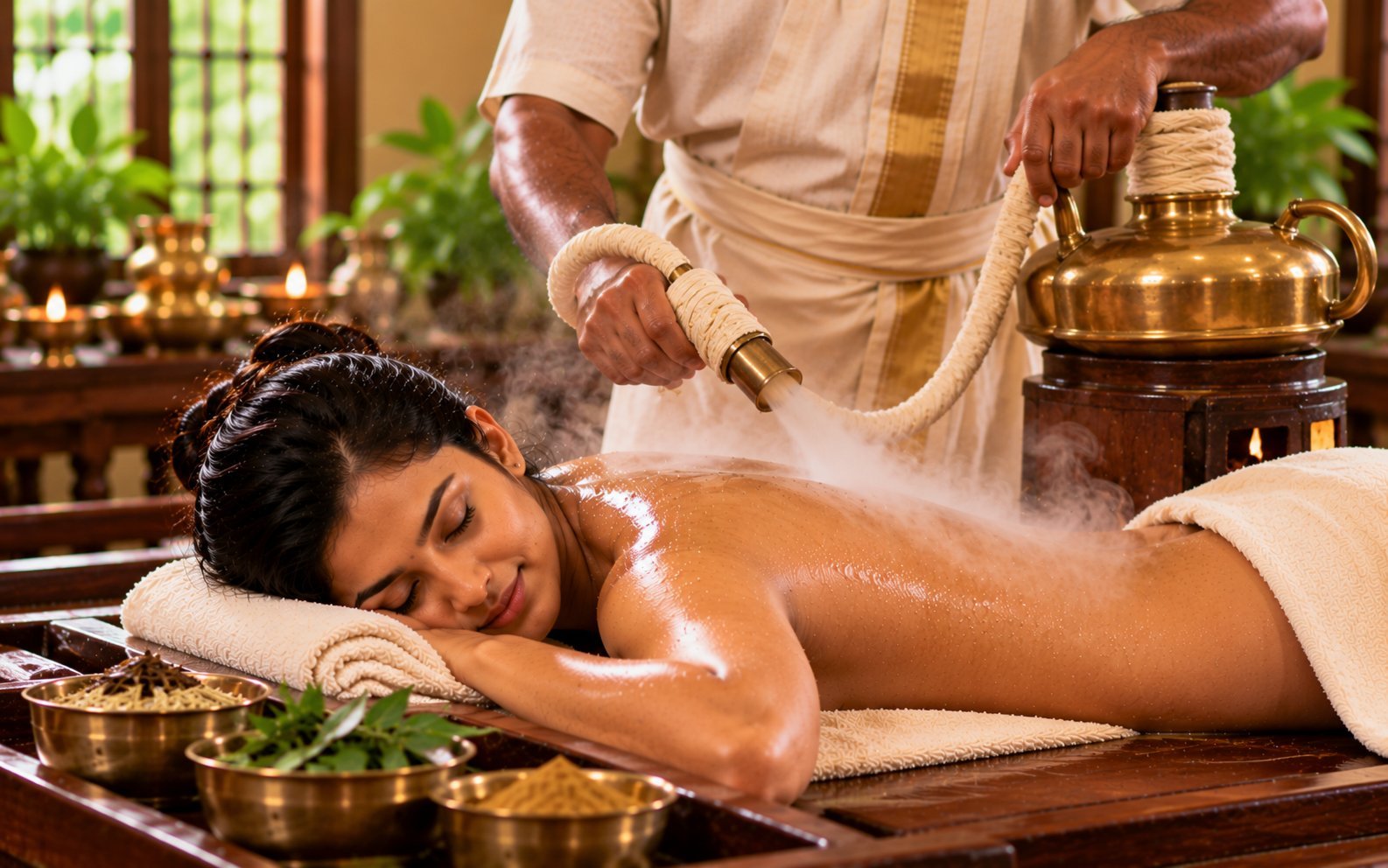 Nadi SwedaTap to read full details
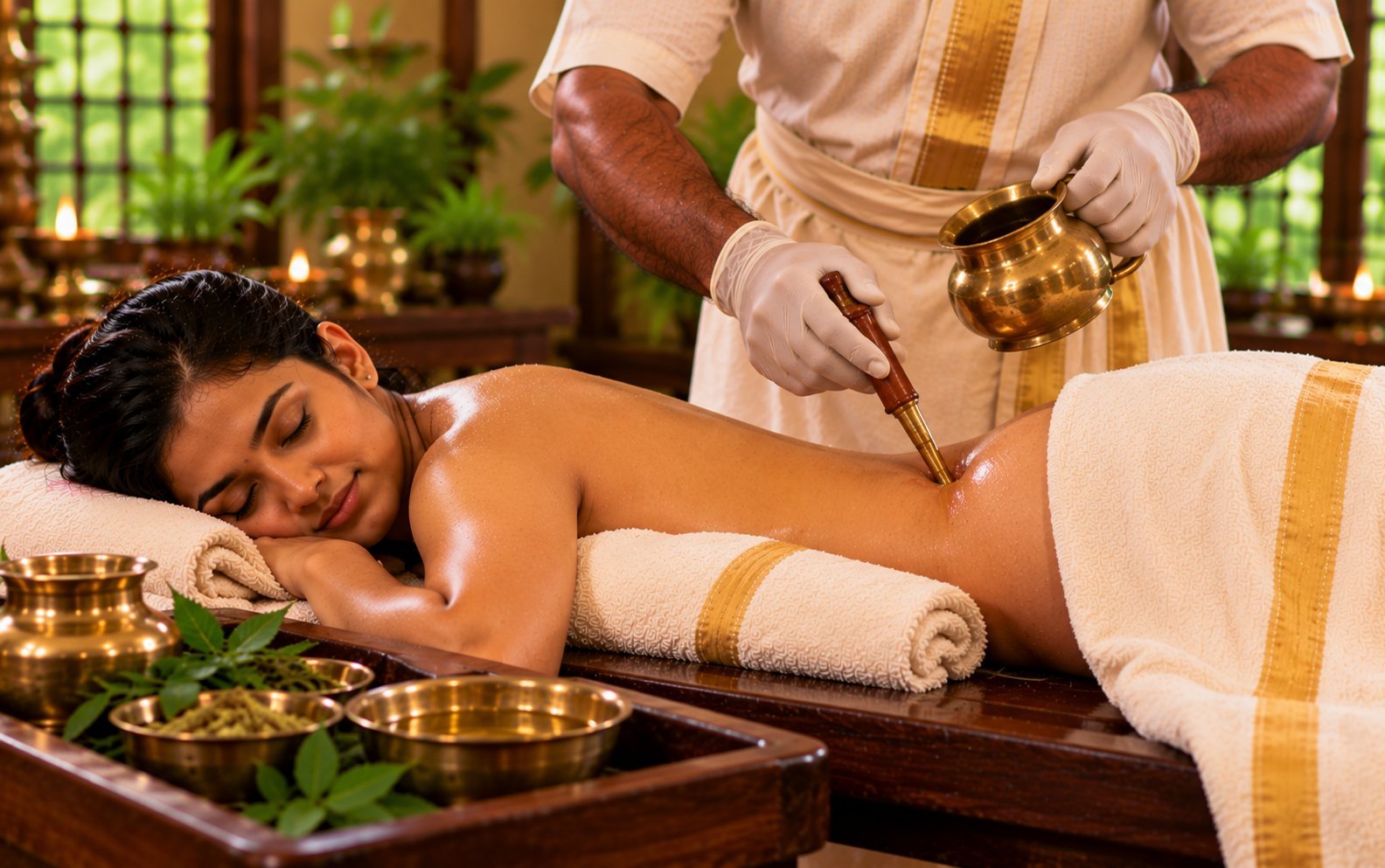 Kashaya VastiTap to read full details
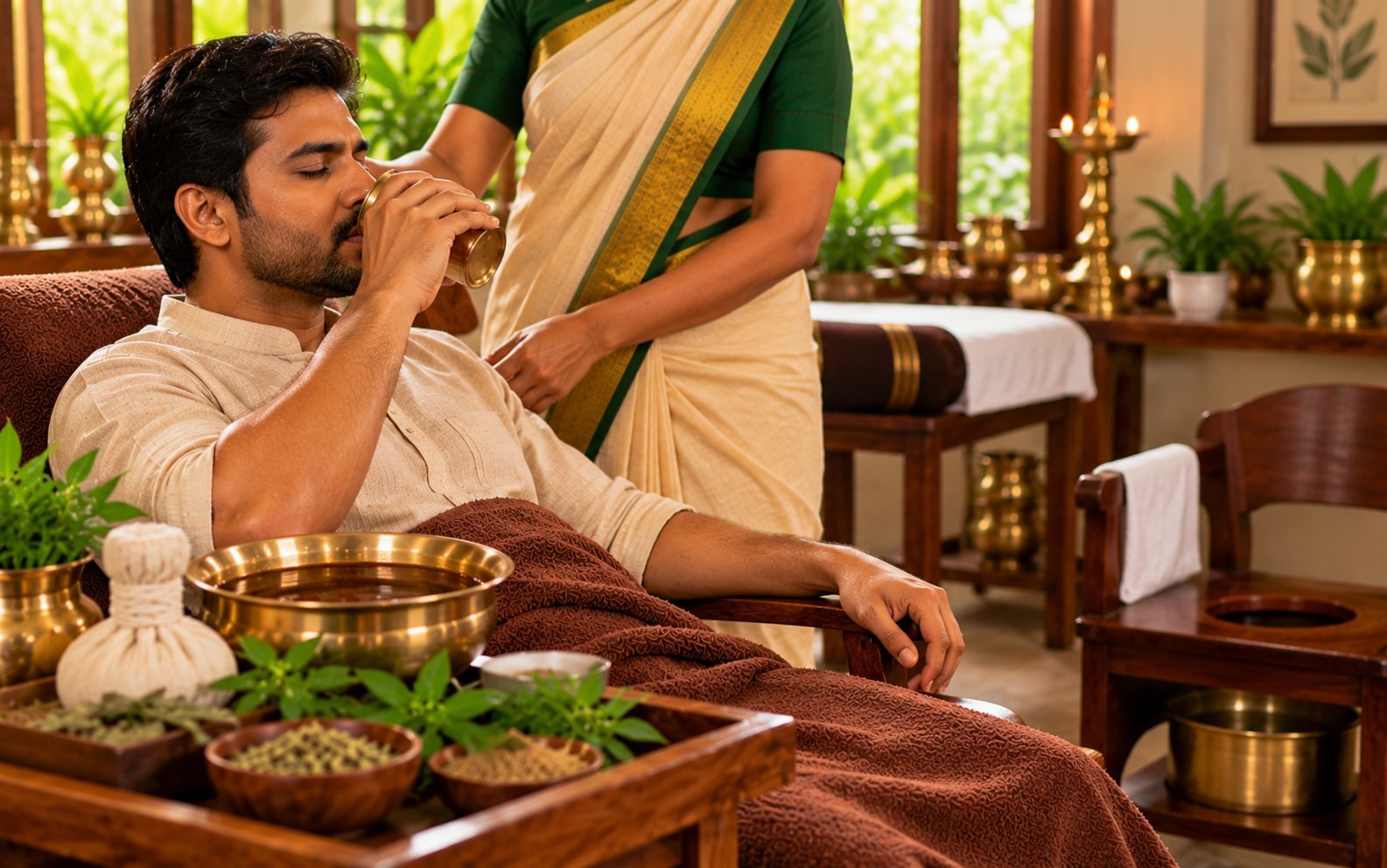 VirechanaTap to read full details
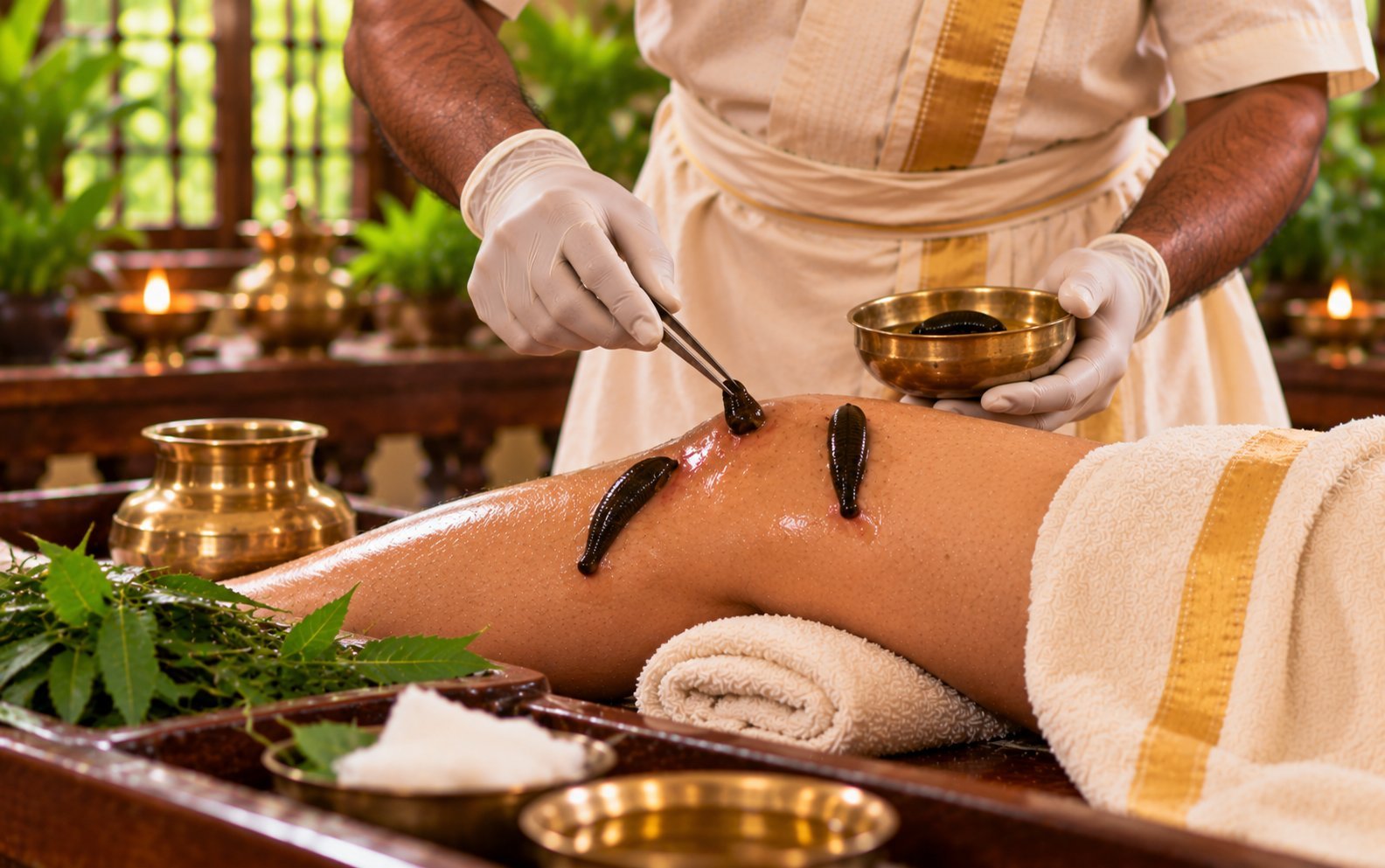 RaktamokshanaTap to read full details
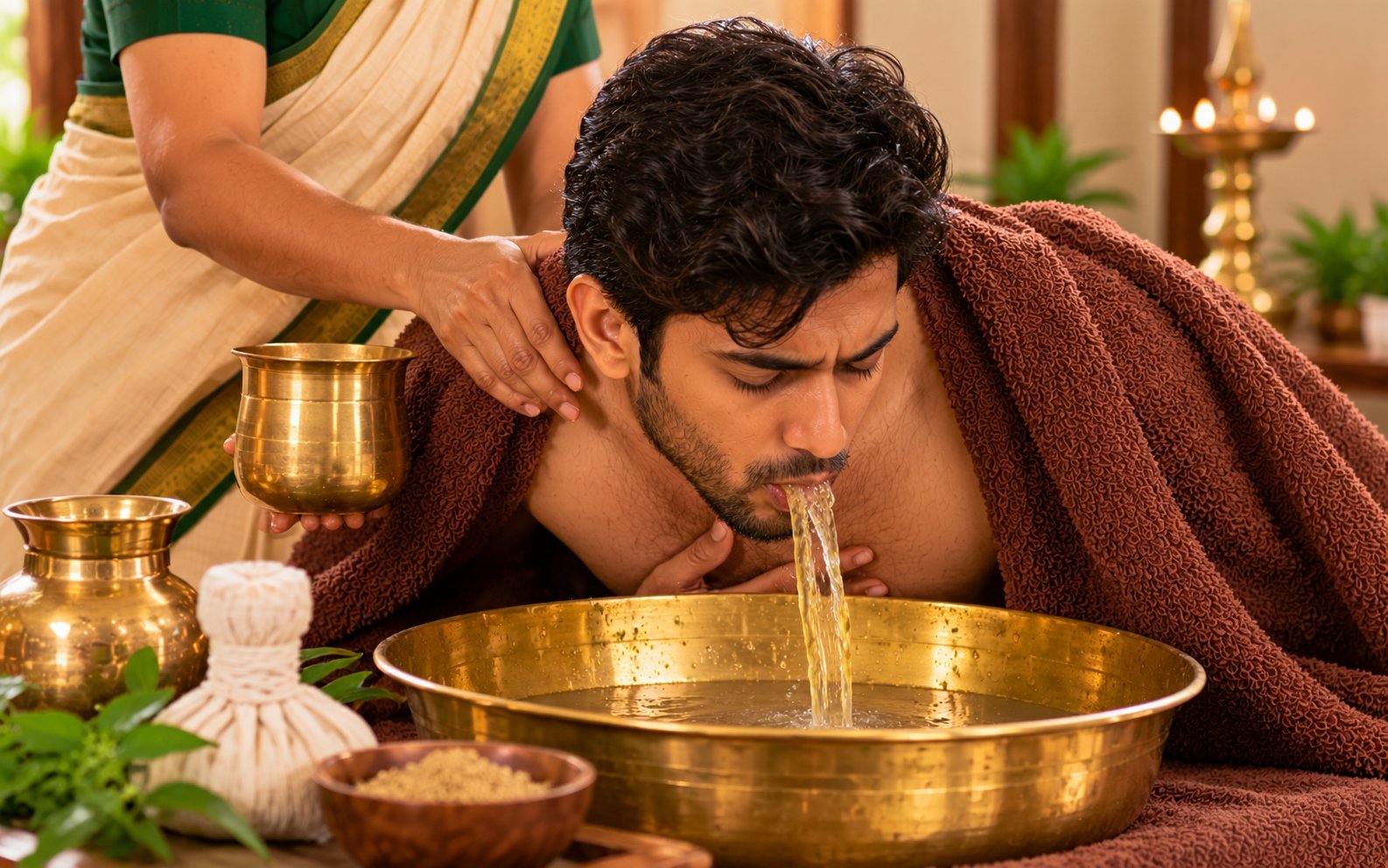 VamanTap to read full details
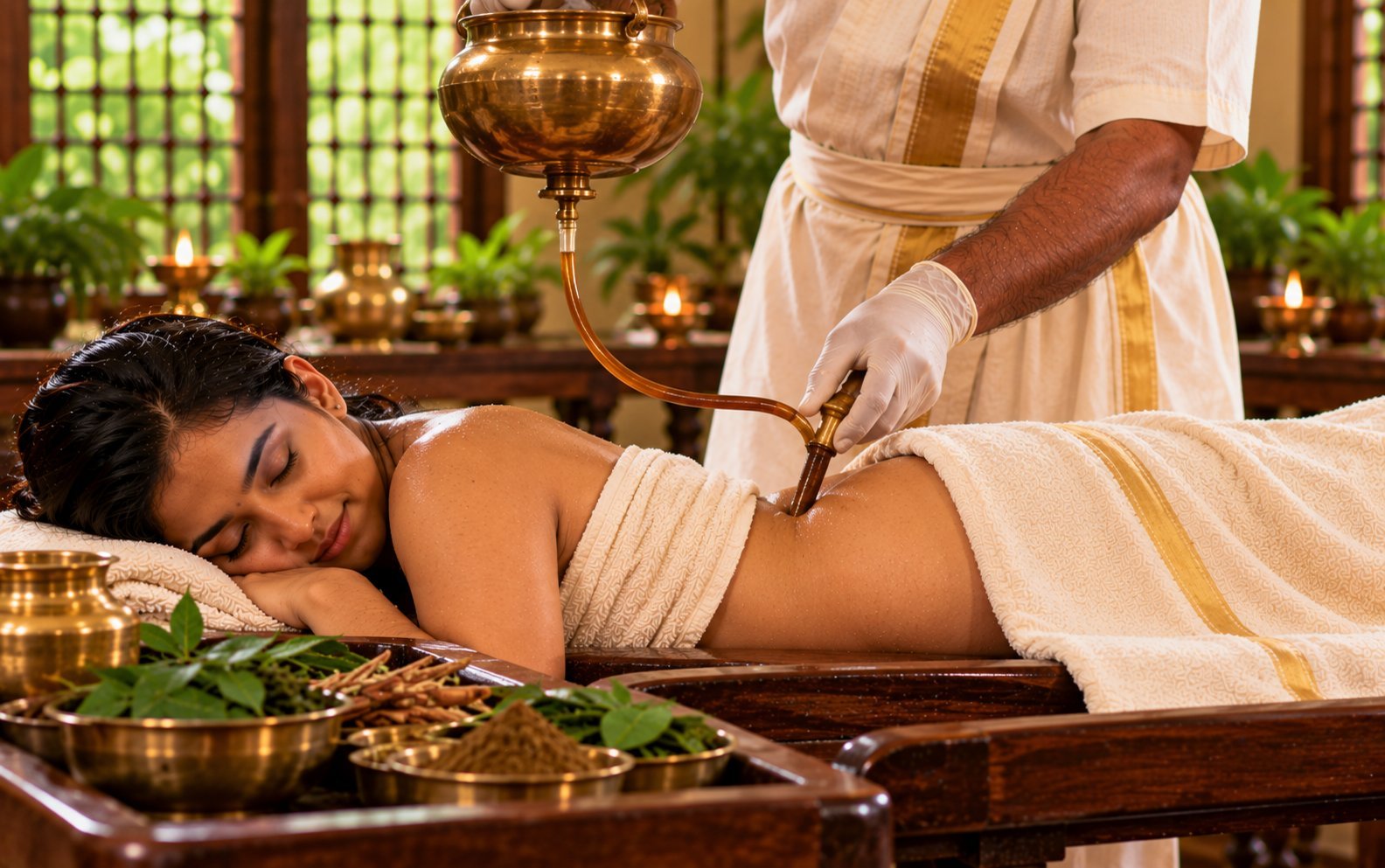 Matra BastiTap to read full details
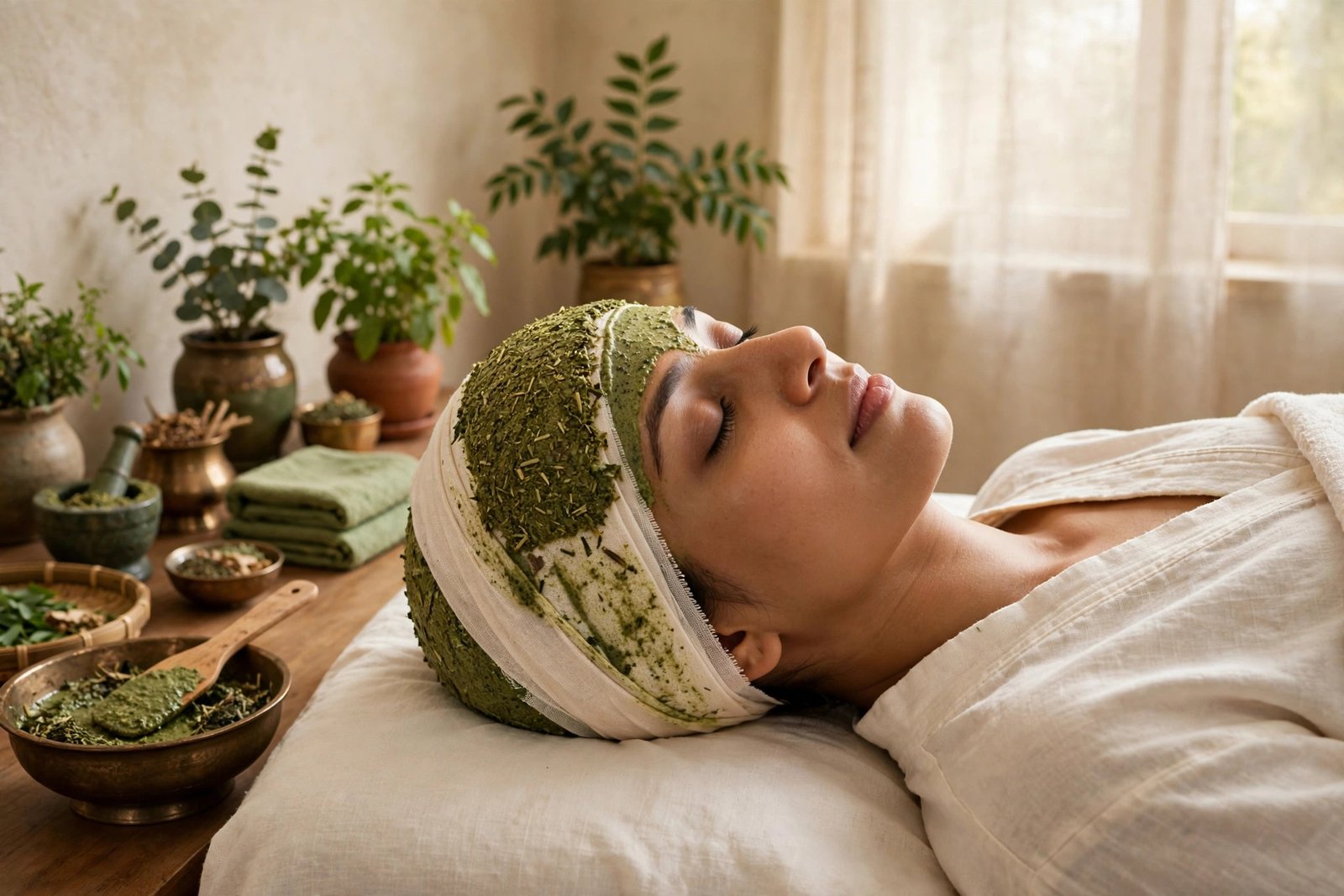 ThalapothichilTap to read full details
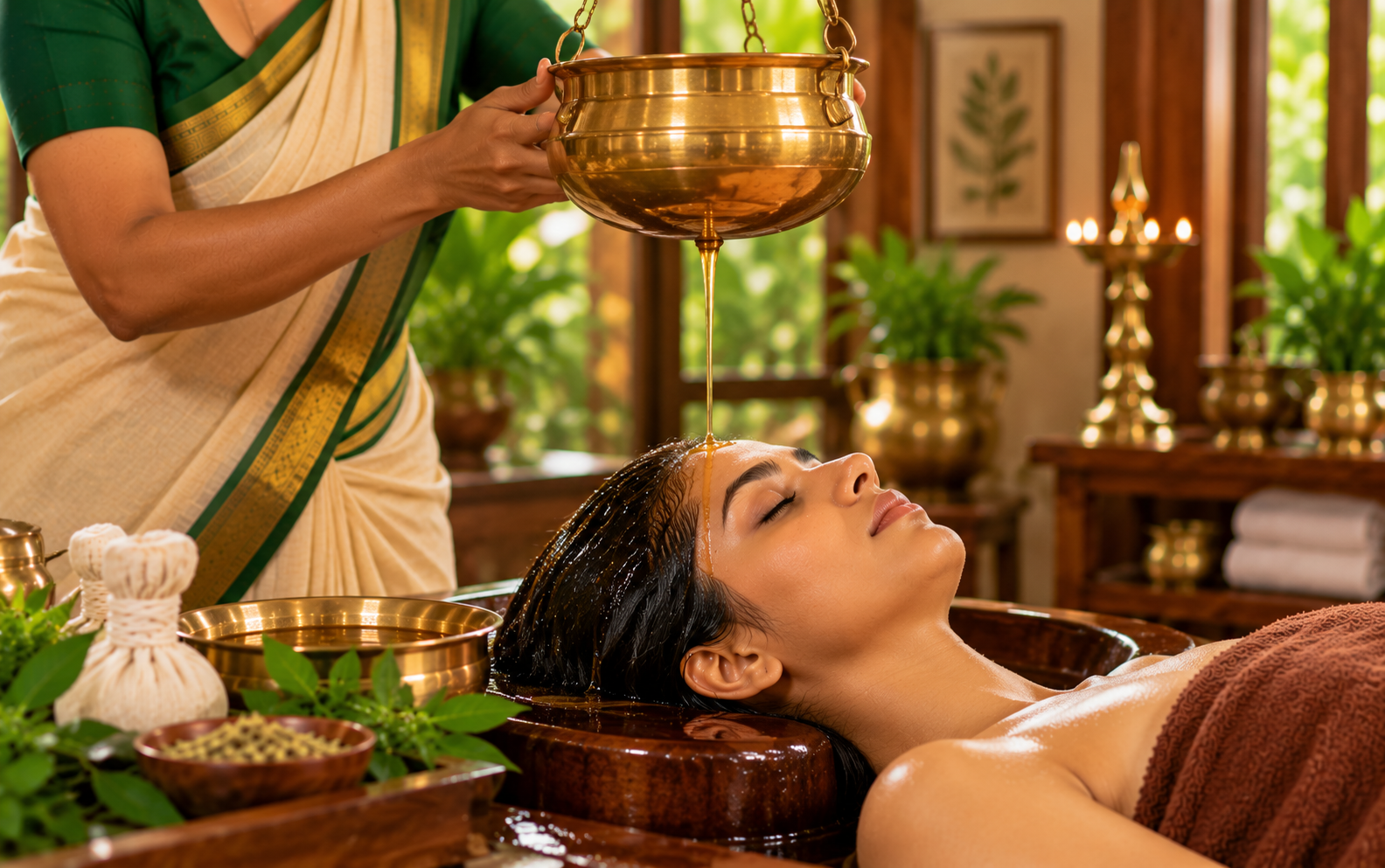 ShirodharaTap to read full details
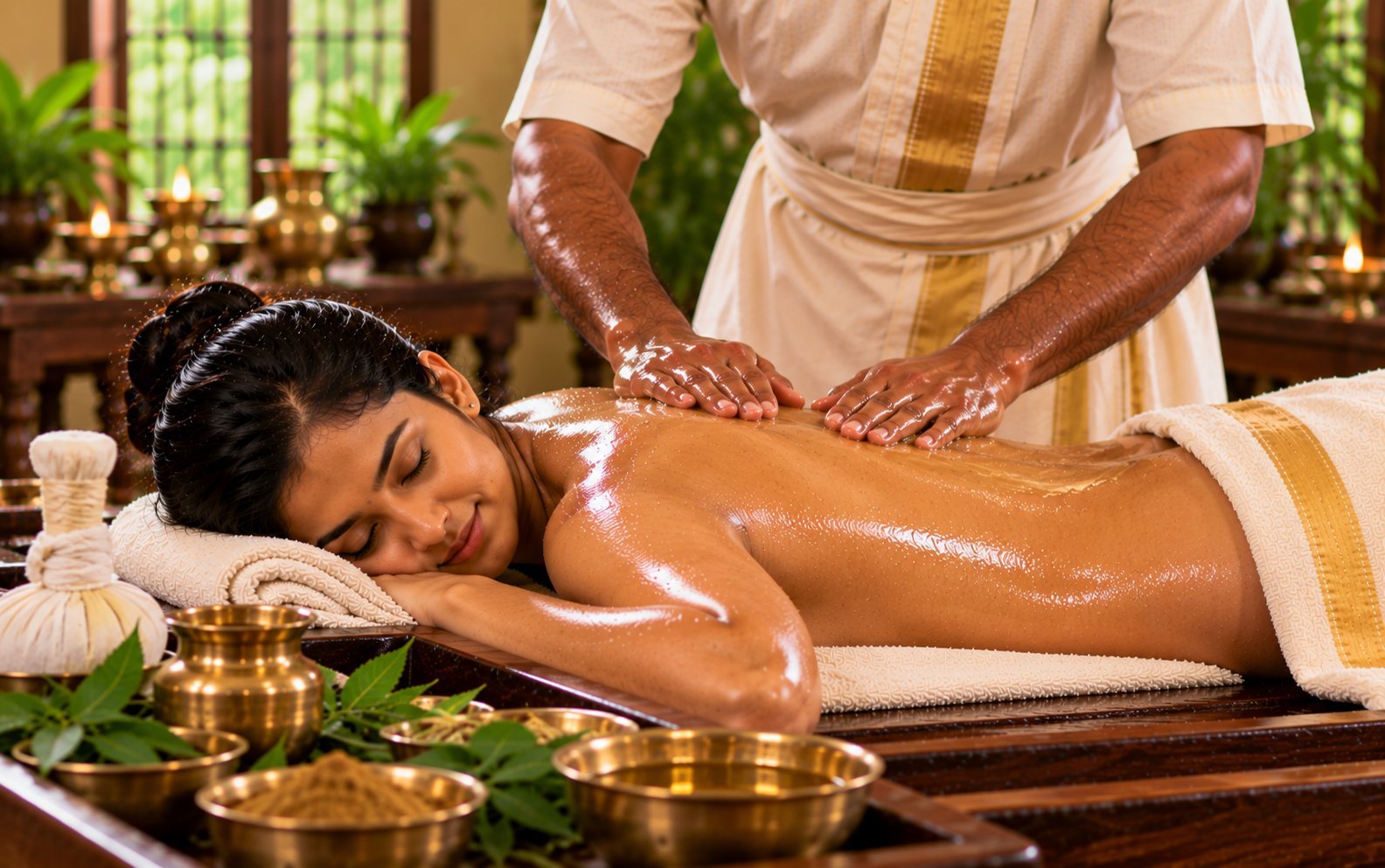 AbhyangaTap to read full details
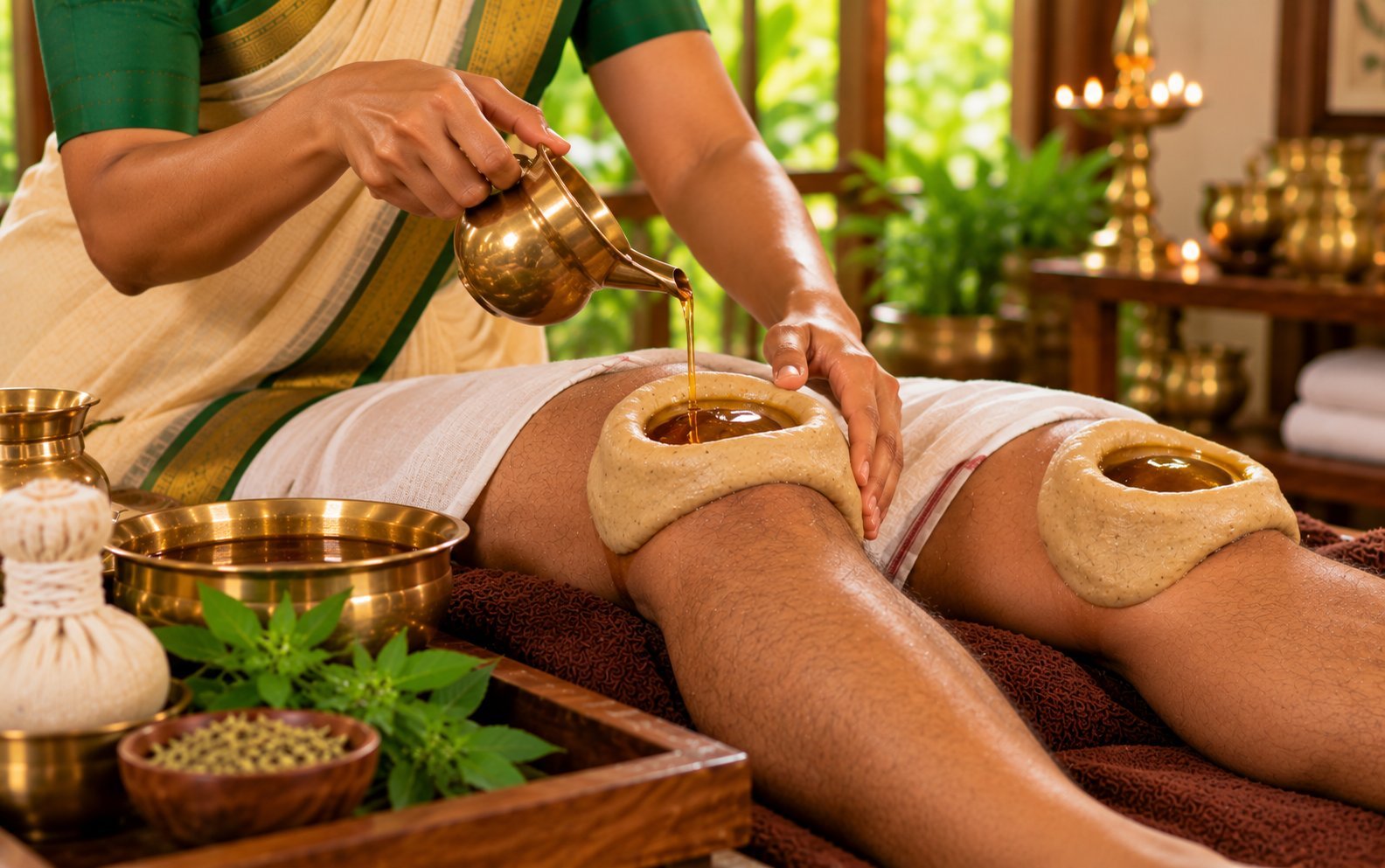 Janu BastiTap to read full details
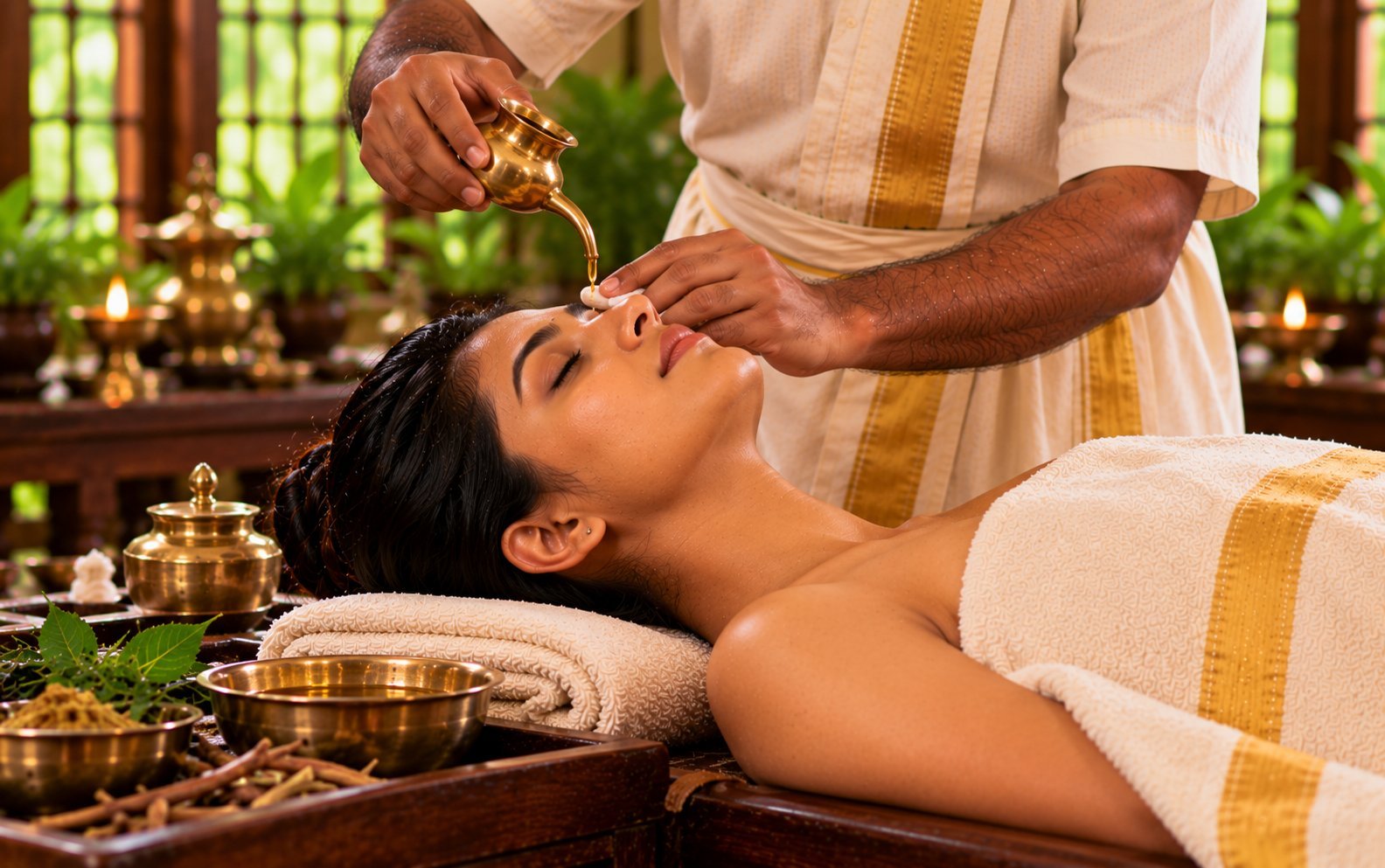 NasyaTap to read full details