Panchakarma therapy
Warm herbal oils massaged into your whole body — melts pain, stiffness and tiredness.
✓ Prescribed by Dr. Gaurav Sharma after your diagnosis
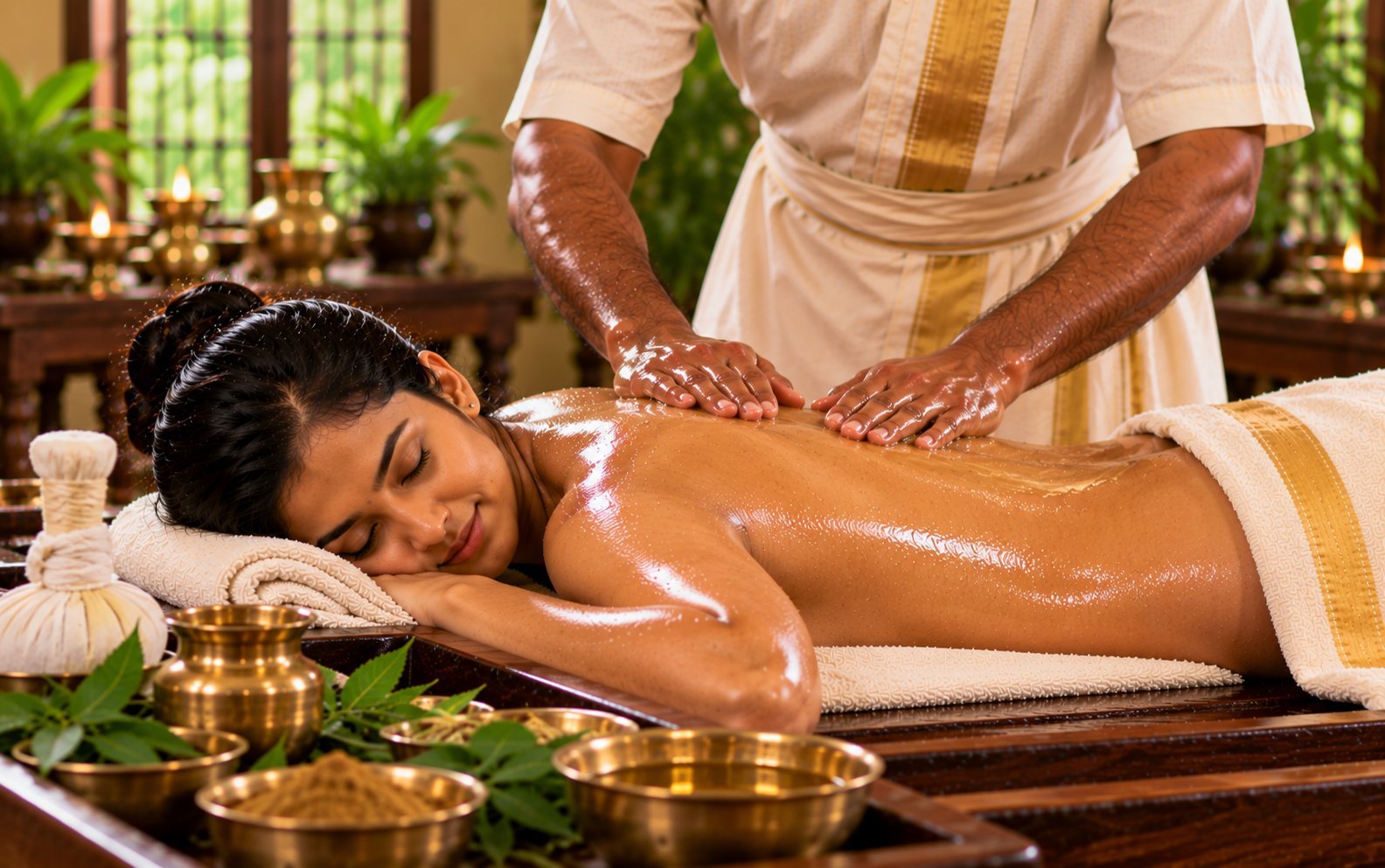
Abhyanga is Ayurveda's classical full-body oil massage. The word means to anoint the body with warm oil, and that is exactly what happens — warm herbal oil is massaged into your whole body, from scalp to soles, by two therapists working in synchronised strokes.
The warmth of the oil opens the skin's tiny channels, so the herbal goodness reaches deep into the tissues. The slow, rhythmic strokes loosen tight muscles, move stagnant circulation, and calm the nervous system. Most people feel the difference in the very first session — the body feels lighter, warmer and less knotted.
In Ayurveda, Abhyanga mainly pacifies Vata — the dosha behind dryness, stiffness, restlessness and pain. It also helps Pitta and Kapha when the oil and herbs are chosen accordingly. It is used for body aches, morning stiffness, tiredness that sleep does not fix, dry and dull skin, disturbed sleep and stress.
Abhyanga is not a spa massage. It is a medical therapy in Ayurveda — the oil, the pressure and the strokes are all chosen for your body.
If any of these sound like you, this therapy was made for your problem.
If two or more of these sound familiar, Abhyanga is a good place to start — the doctor will confirm whether it suits you.
Abhyanga suits almost anyone whose body feels worn down. It is one of the first therapies Dr. Gaurav Sharma considers when pain, stiffness and tiredness come together.
It suits Vata-type problems best. For Pitta and Kapha, the doctor adjusts the oil, the herbs and the pressure.
A typical session lasts 45–60 minutes.
Consultation first. Dr. Gaurav Sharma examines you, checks your pulse with Nadi Pariksha, and decides whether Abhyanga suits you and which oil to use.
Oil chosen for you. The herbal oil is warmed to a comfortable temperature. It is chosen for your dosha and your problem — not one oil for everyone.
Warm-up and positioning. You lie on the therapy table in a warm, private room. The therapists explain each step before they begin.
Two-therapist massage. Two therapists massage in synchronised strokes over the whole body. Pressure is adjusted to you — firm where muscles are tight, gentle where you are tender.
Rest. You rest for a few minutes so the oil can absorb into the skin instead of being wiped off immediately.
Warm herbal bath. A warm herbal bath washes off the extra oil and leaves the body feeling light and clean.
After the session, drink warm water, avoid cold air and heavy food for a few hours, and let the body rest.
At Adinath, no two Abhyanga sessions are identical. The therapy is prescribed by Dr. Gaurav Sharma after Nadi Pariksha and your diagnosis, and the oil, pressure and duration are set for your body on that day.
Our therapists are trained in the classical strokes and in reading the body — they go gentler over tender areas and deeper where muscles are knotted. When needed, Abhyanga is combined with a Swedana (steam) session or Shirodhara for deeper effect.
Abhyanga is gentle and deeply relaxing. The oil and pressure are adjusted to your body, and the therapists check with you throughout the session.
Tell the doctor beforehand if you have fever, skin wounds or rashes, a recent injury, or if you are pregnant — the therapy is adjusted or postponed accordingly.

BAMS · Fellowship, NIA Jaipur · Member IFM USA · Panchakarma Specialist
Every therapy at Adinath is prescribed by Dr. Gaurav Sharma himself — after Nadi Pariksha and your diagnosis. Never a fixed package.
Patient stories
★★★★★
"My open pores, pigmentation and acne cleared after five facial therapy sessions. Thank you Dr. Gaurav Sharma Sir and Adinath Ayurveda Hospital."
— LearnLoop (Acne & Pigmentation)
Posted on Google
★★★★★
"Ulcerative colitis much improved with Ayurveda here. Detailed guidance on medicines, diet and lifestyle — nothing felt rushed."
— Sourav Sain (Ulcerative Colitis)
Posted on Google
★★★★★
"Digestive issues resolved after a detailed consultation with proper diet advice. Jaipur’s best ayurvedic skin doctor."
— Anil Kumar (Digestion)
Posted on Google
★★★★★
"Came from Germany with psoriasis — it improved dramatically and my skin is now clear. Highly recommend Dr. Gaurav Sharma."
— Ale A. (Psoriasis)
Posted on Google
★★★★★
"Stomach ulcers that didn’t improve elsewhere got a lot better in just 7 days. The best Ayurveda doctor."
— Vikram Singh (Stomach Ulcers)
Posted on Google
Abhyanga is a full-body warm oil massage used for body aches, stiffness, tiredness, dry skin, poor sleep and stress. It nourishes the whole body and calms the nervous system.
A typical session lasts 45–60 minutes, including rest and the warm herbal bath afterwards.
That depends on your condition. The doctor decides the course after examining you — some people need a short course, long-standing problems need a longer plan.
Not at all. It is one of Ayurveda's most relaxing therapies. Pressure is adjusted to your comfort throughout.
It is safe for most people. Tell the doctor about fever, skin wounds, recent injury or pregnancy, so the therapy can be adjusted or postponed.
Rest, drink warm water, and avoid cold air, cold food and heavy meals for a few hours. Let the oil keep working.
A simple oil massage at home can help, but the full therapy — the right oil, the technique and two-therapist rhythm — is best done at the clinic.
Wear loose, comfortable clothes. Eat light before the session and avoid a heavy meal just before. Disposable garments are provided where needed.
Disposable garments are provided, and the warm herbal bath at the end washes the oil off. Wear clothes you don't mind getting a little oil on.
Tell us your problem on WhatsApp — we’ll tell you honestly whether Ayurveda can help.
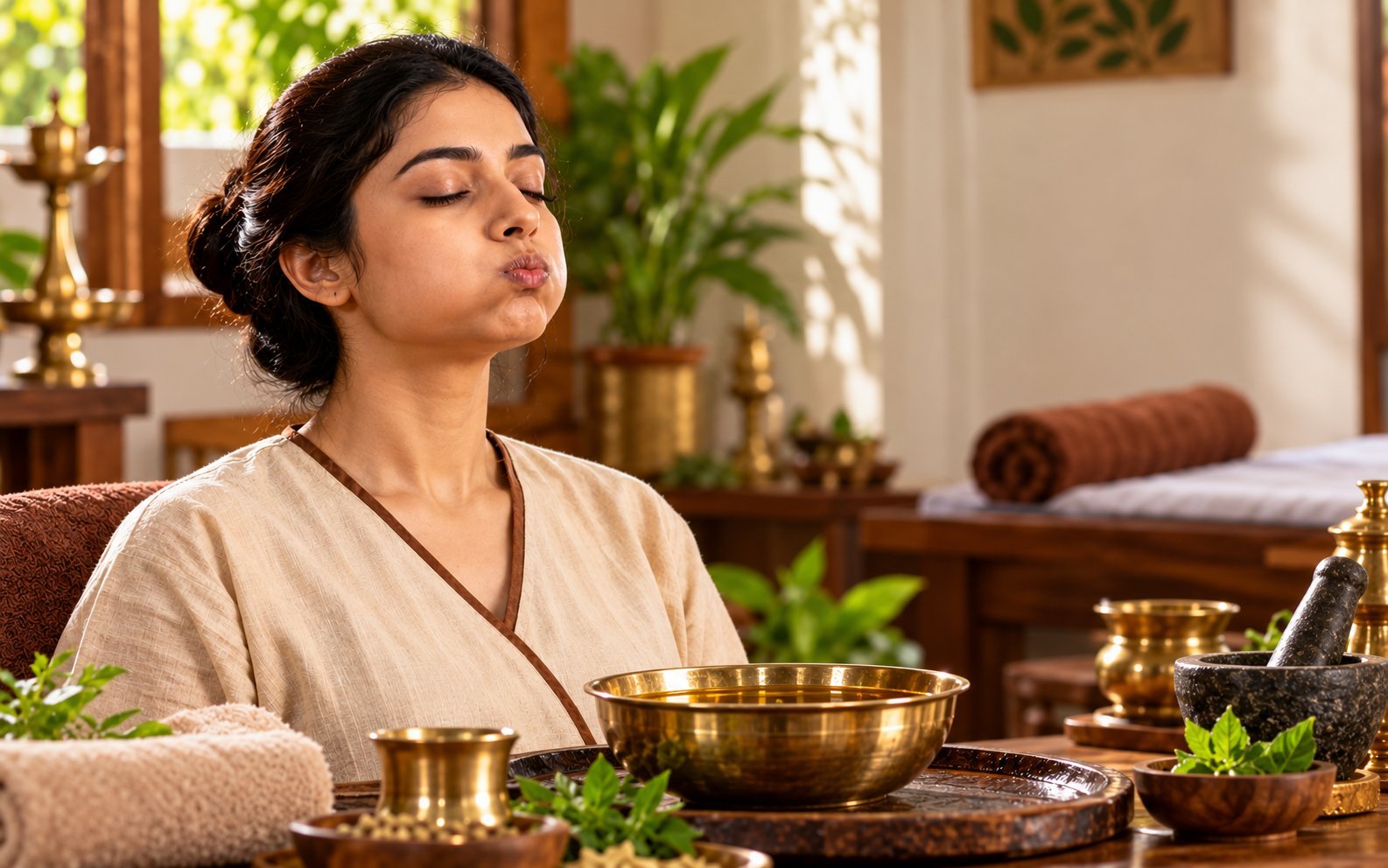 GandushTap to read full details
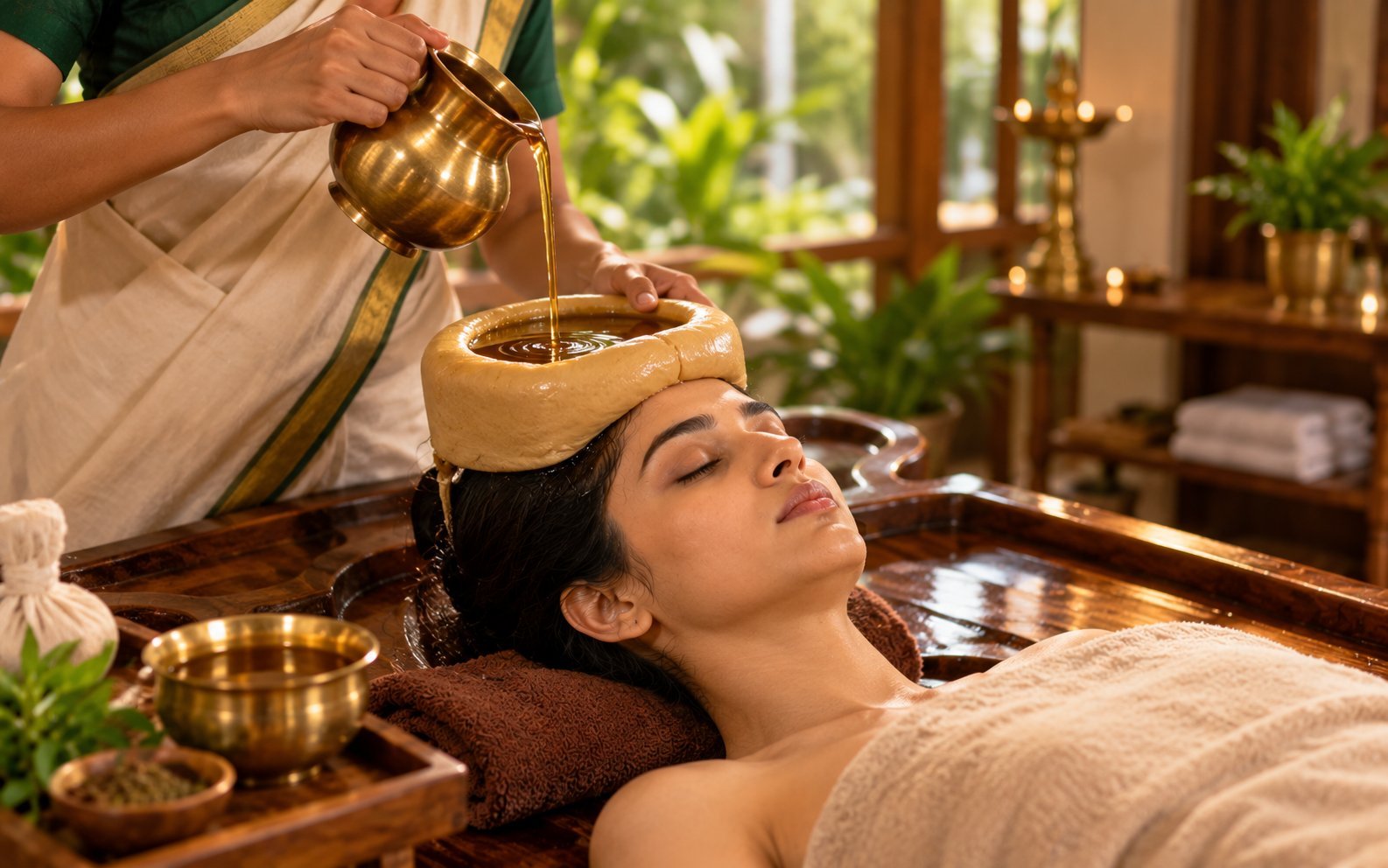 ShirovastiTap to read full details
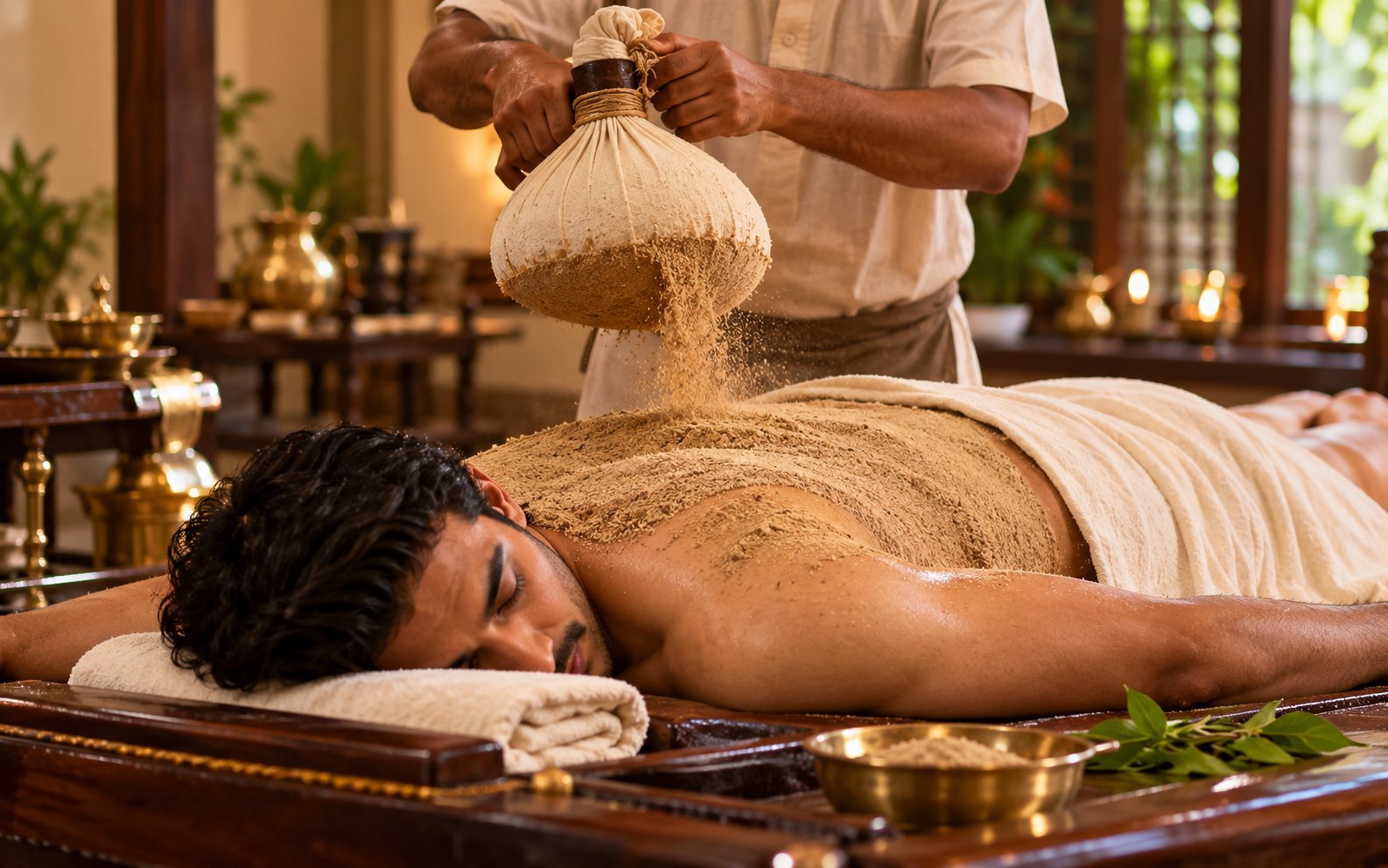 Valuka SwedaTap to read full details
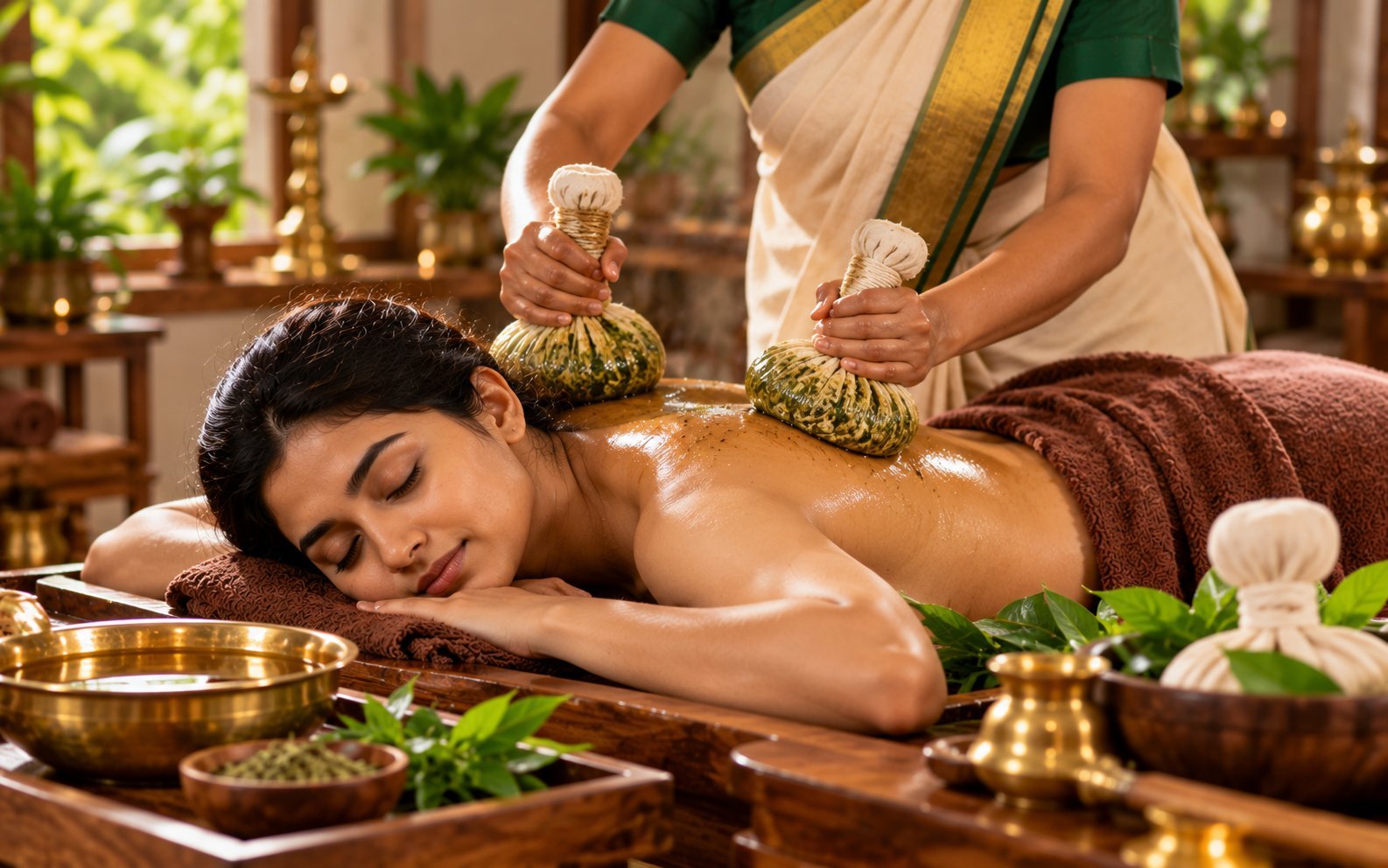 Patra Pottali SwedaTap to read full details
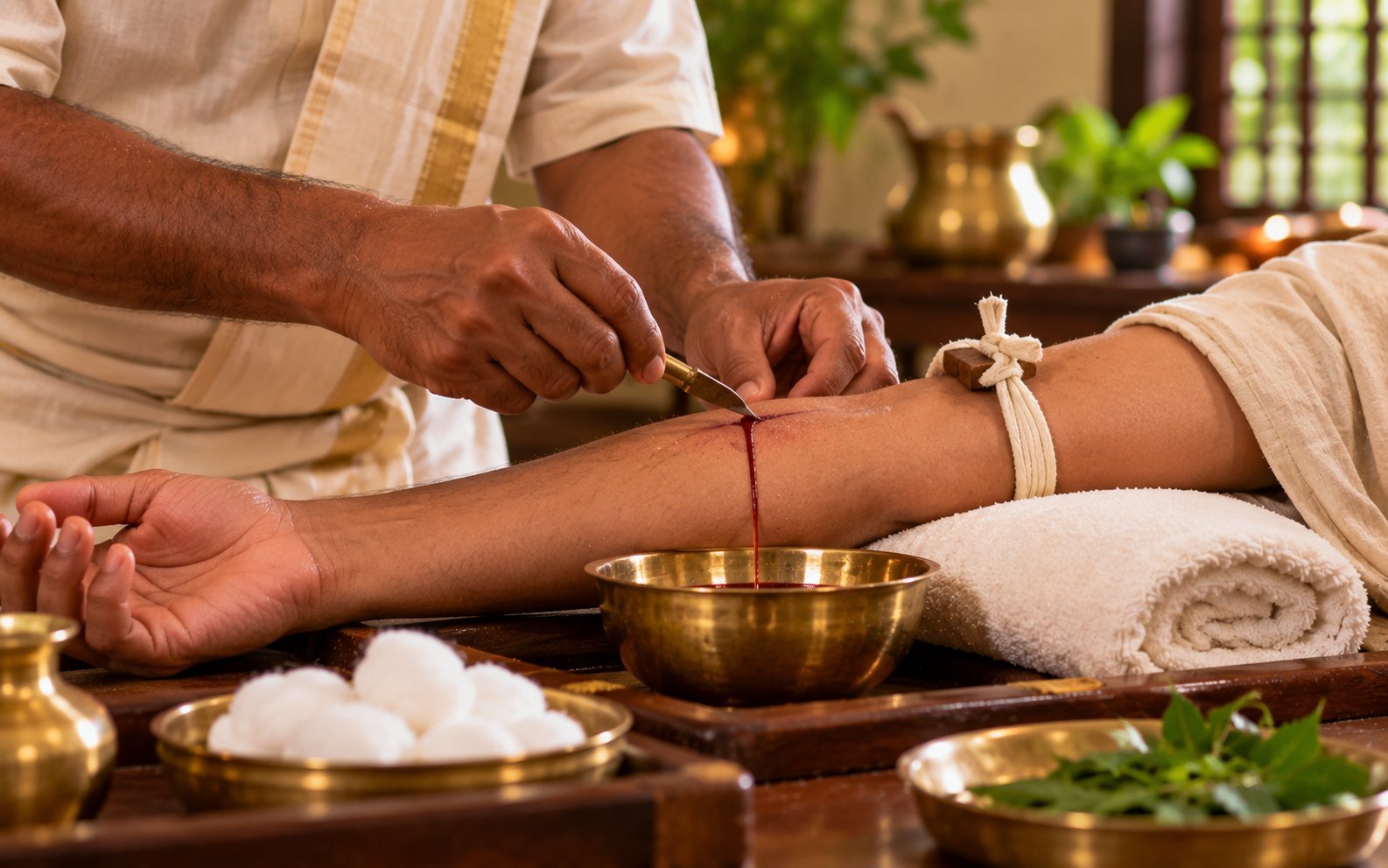 SiravedhaTap to read full details
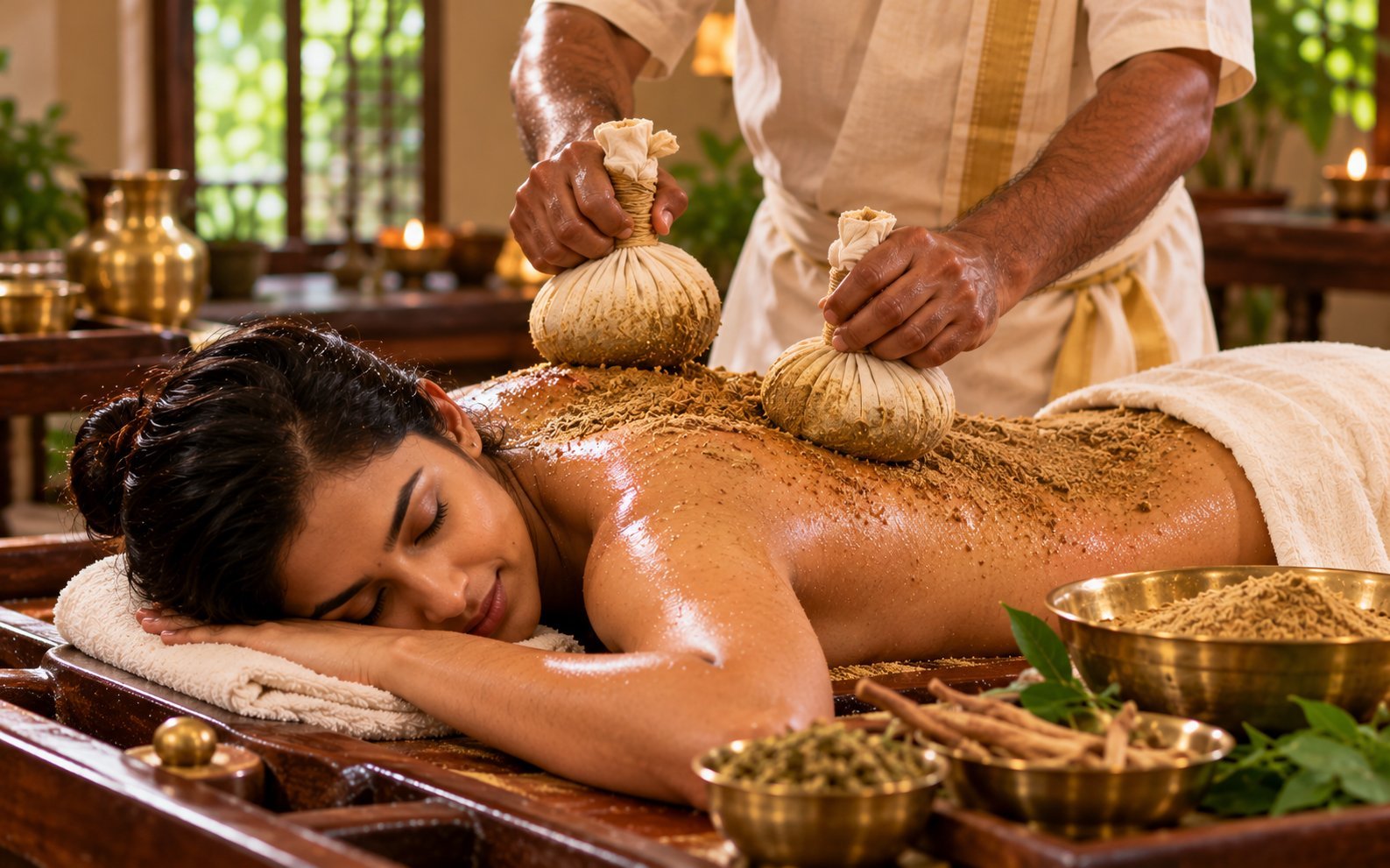 Churna Pinda SwedaTap to read full details
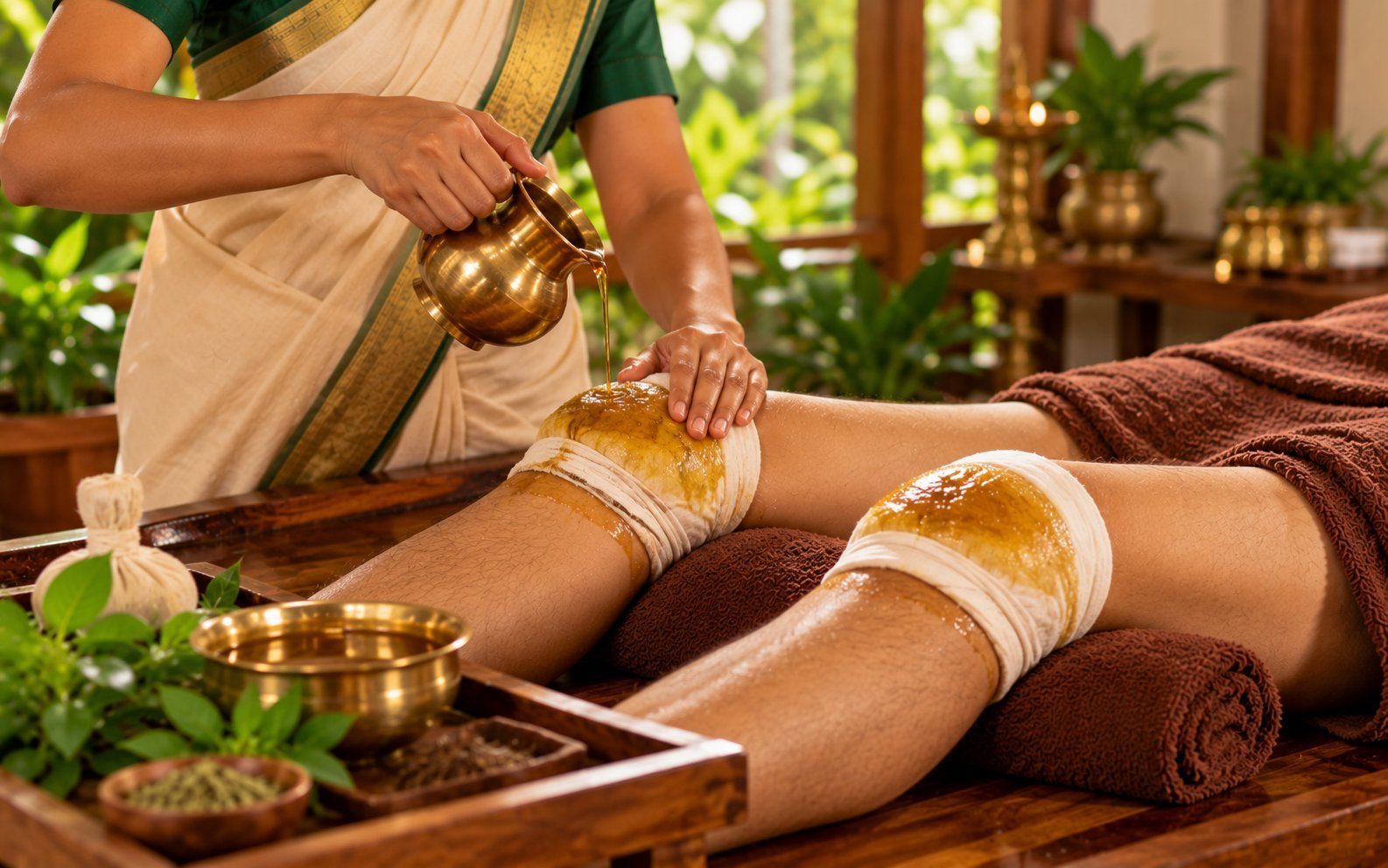 Janu PichuTap to read full details
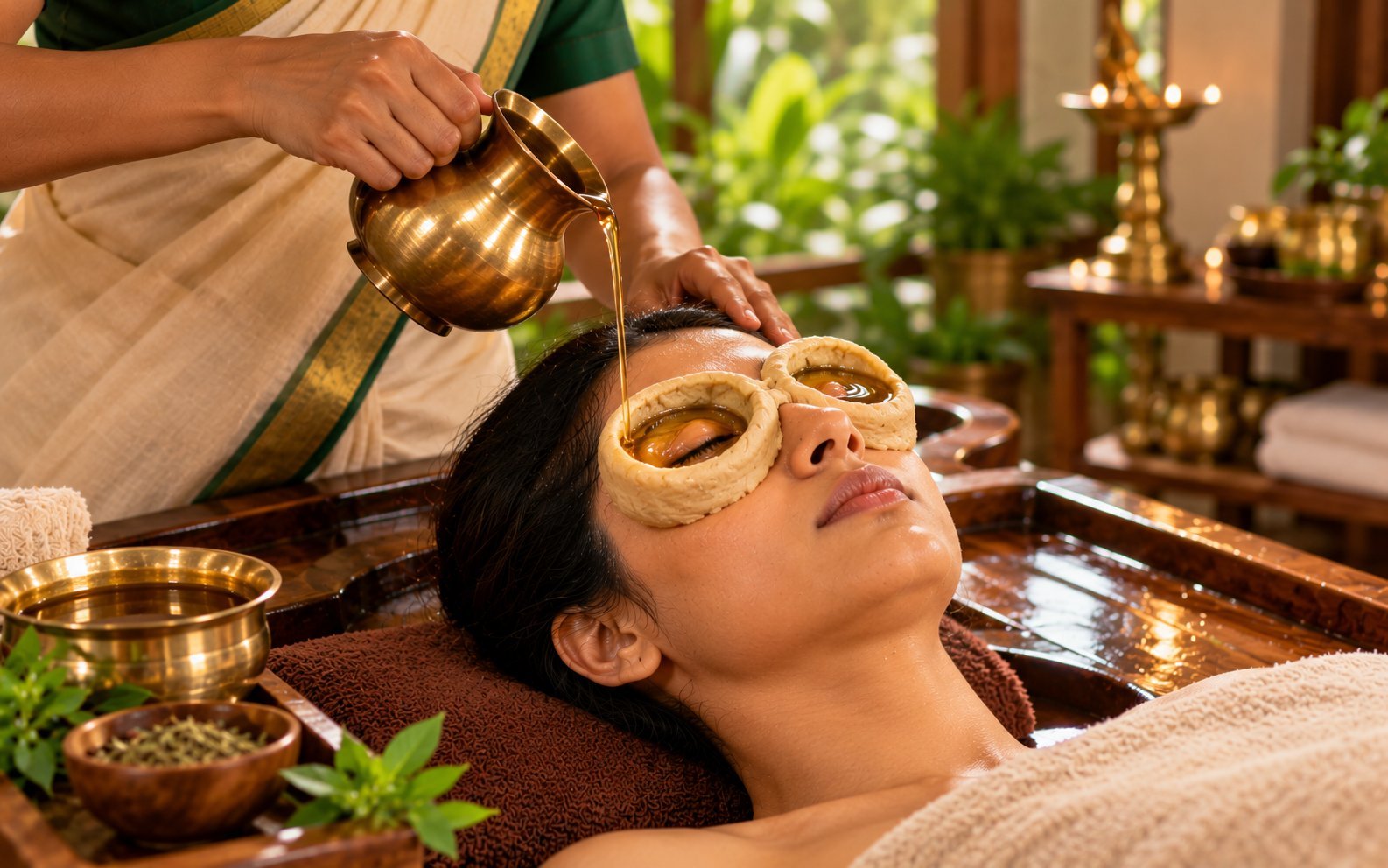 Netra BastiTap to read full details
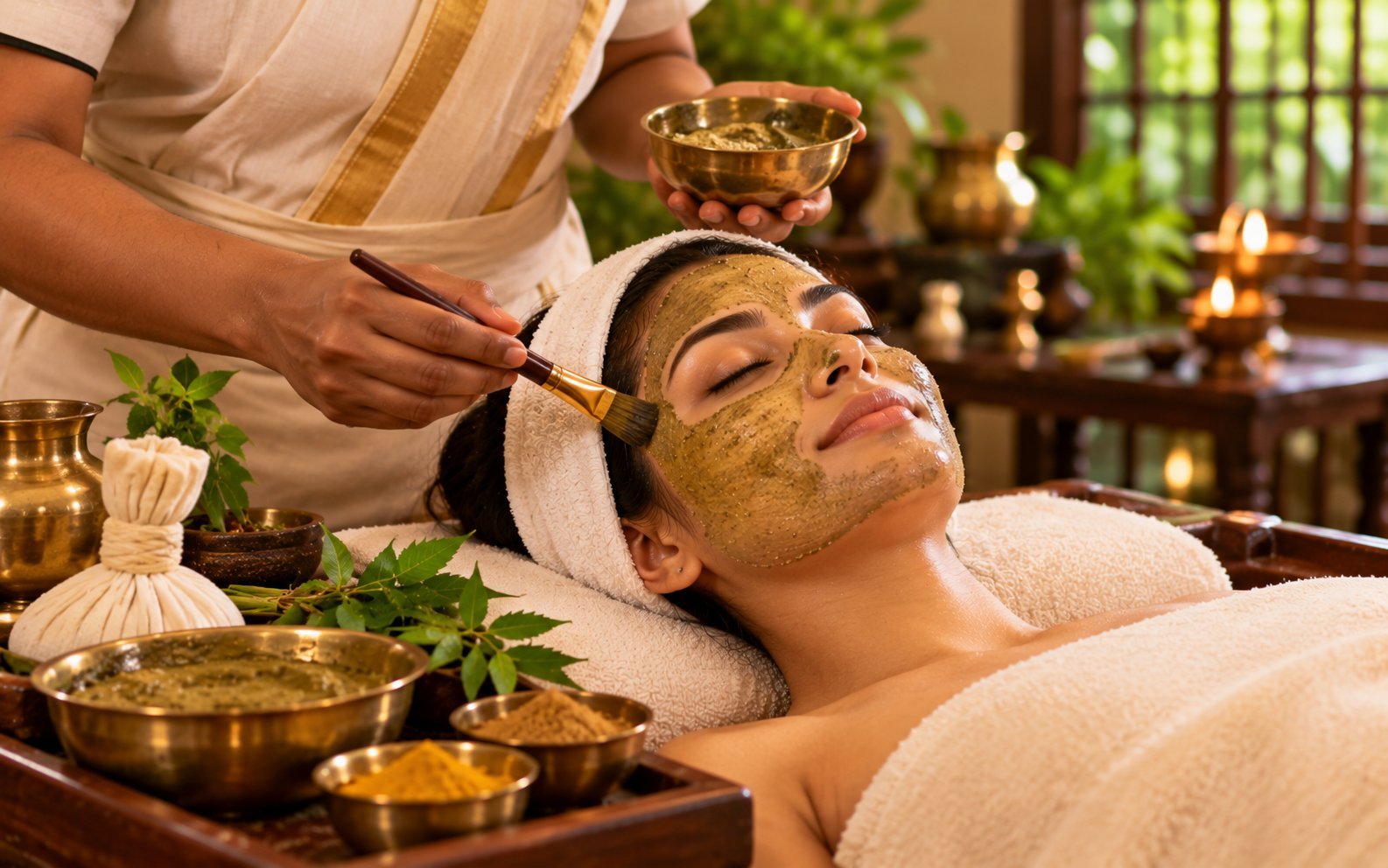 Ayurvedic FacialTap to read full details
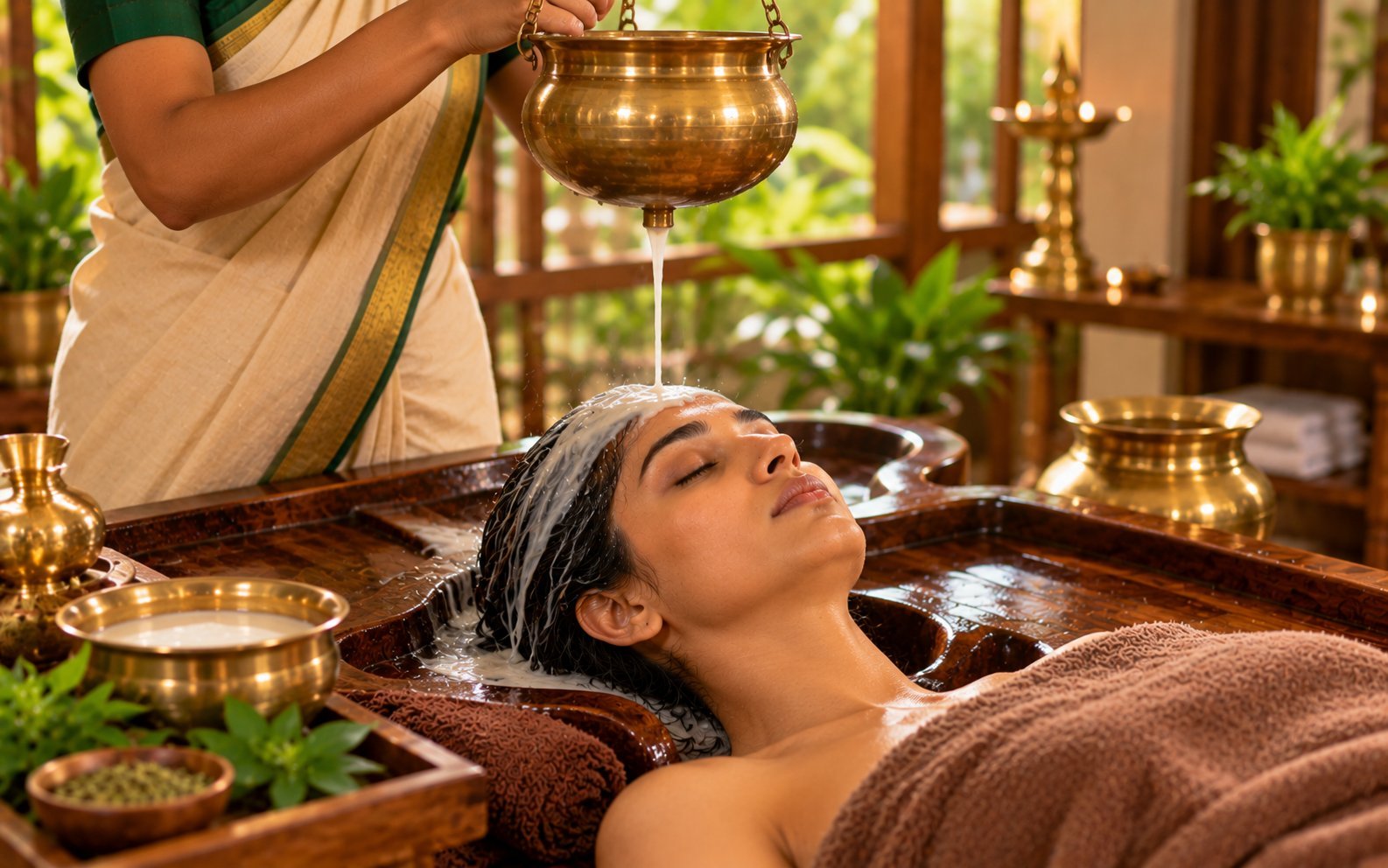 TakradharaTap to read full details
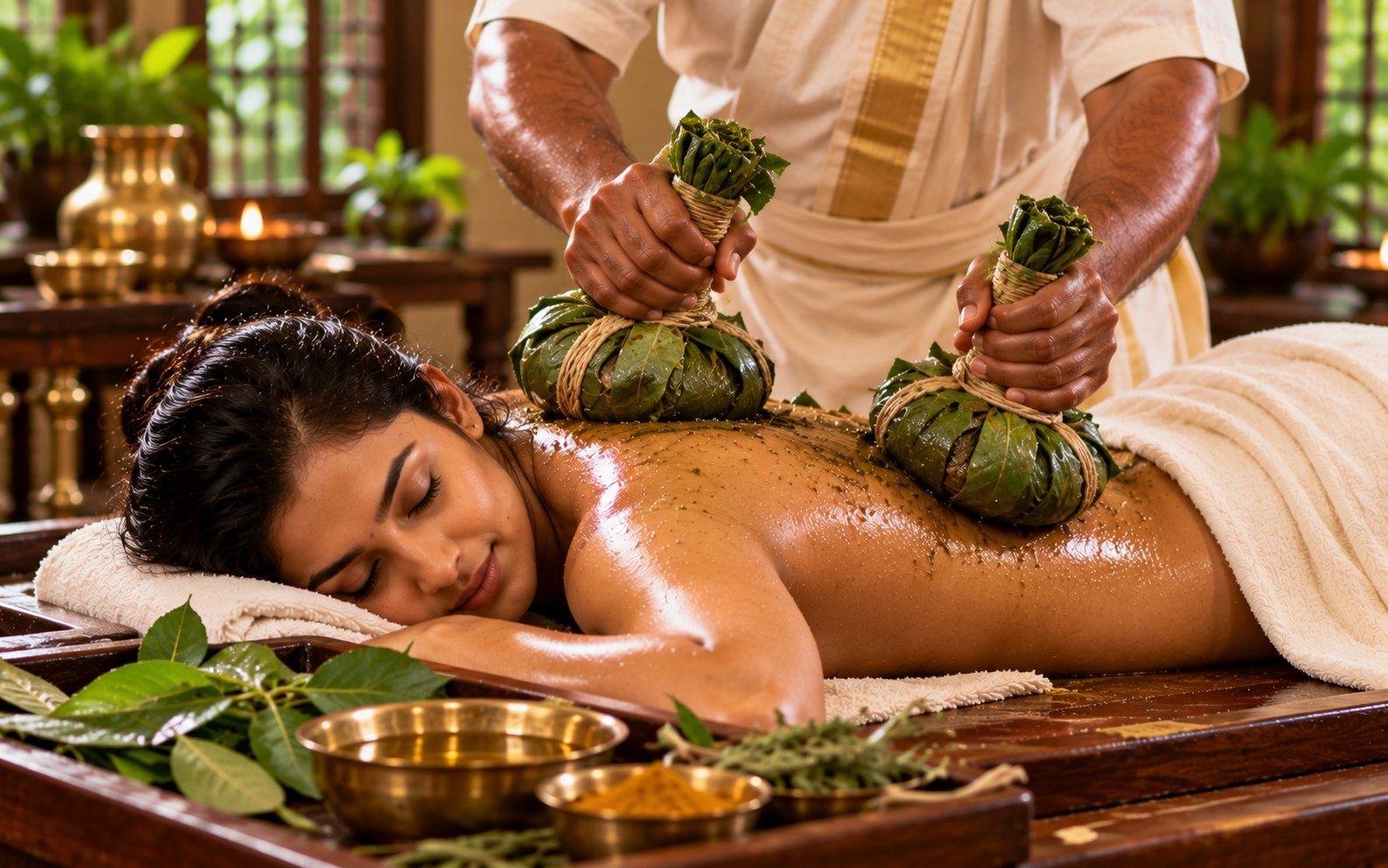 Patra Pinda SwedaTap to read full details
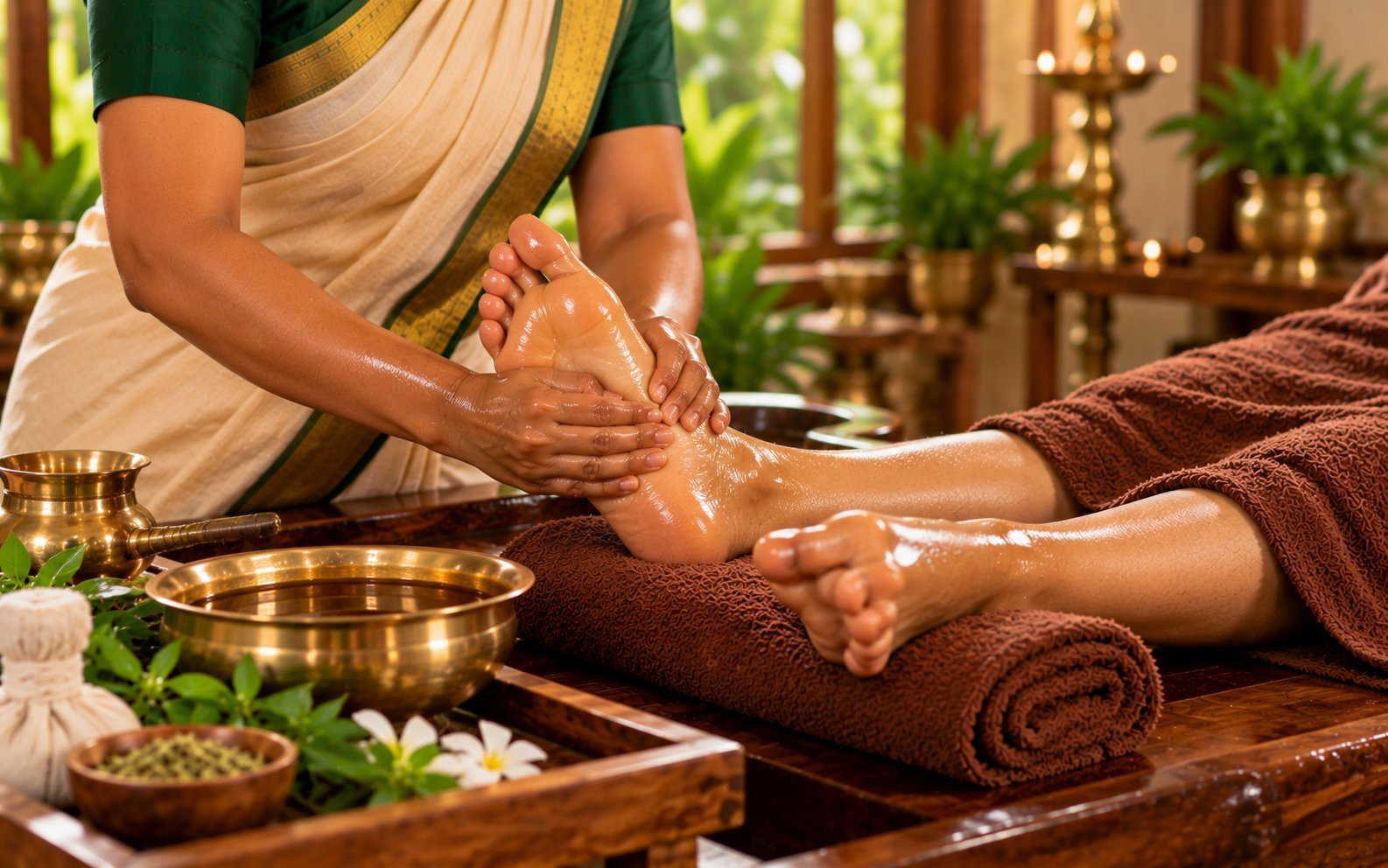 PadabhyangaTap to read full details
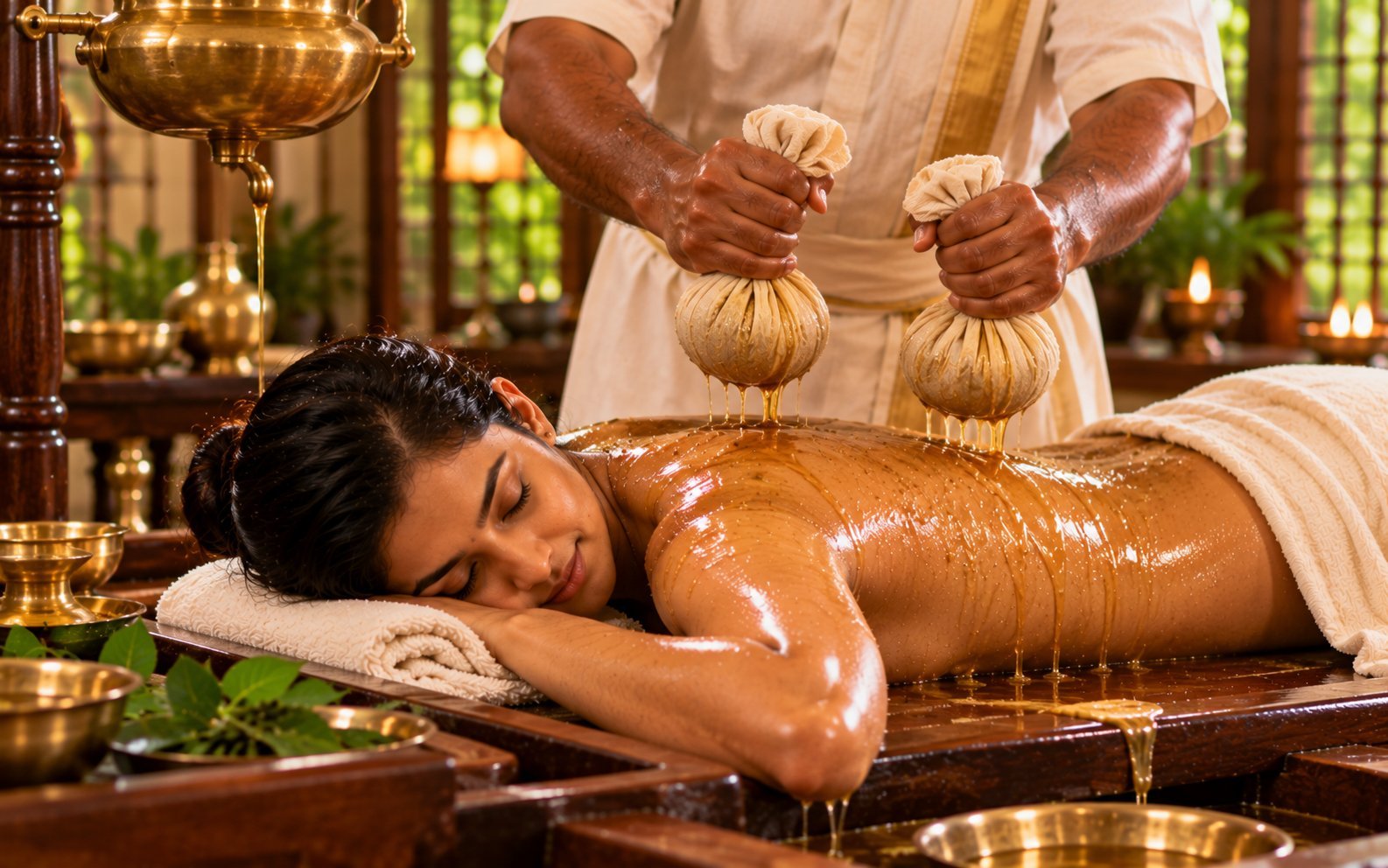 PizhichilTap to read full details
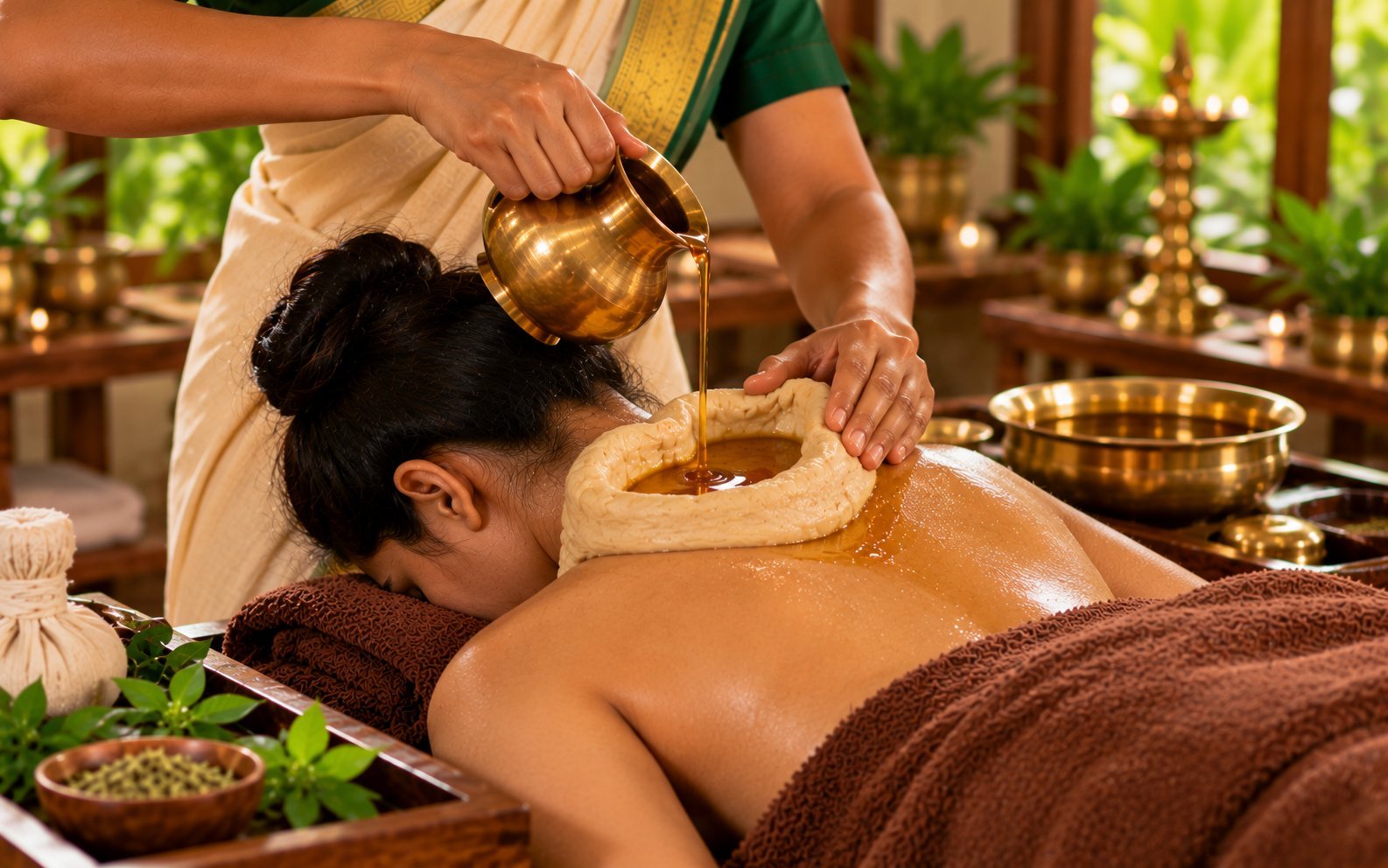 Greeva BastiTap to read full details
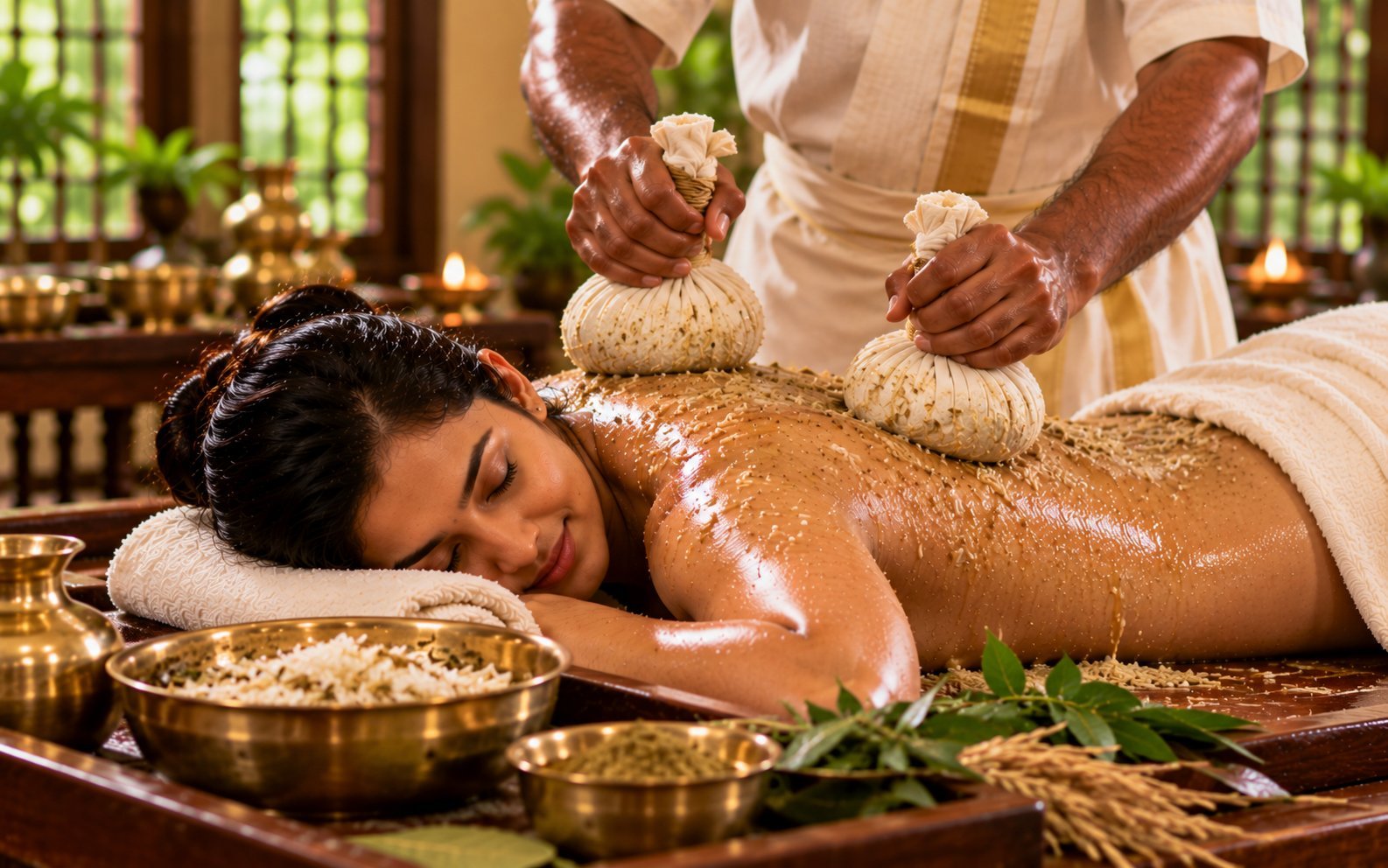 Shastika Shali Pinda SwedaTap to read full details
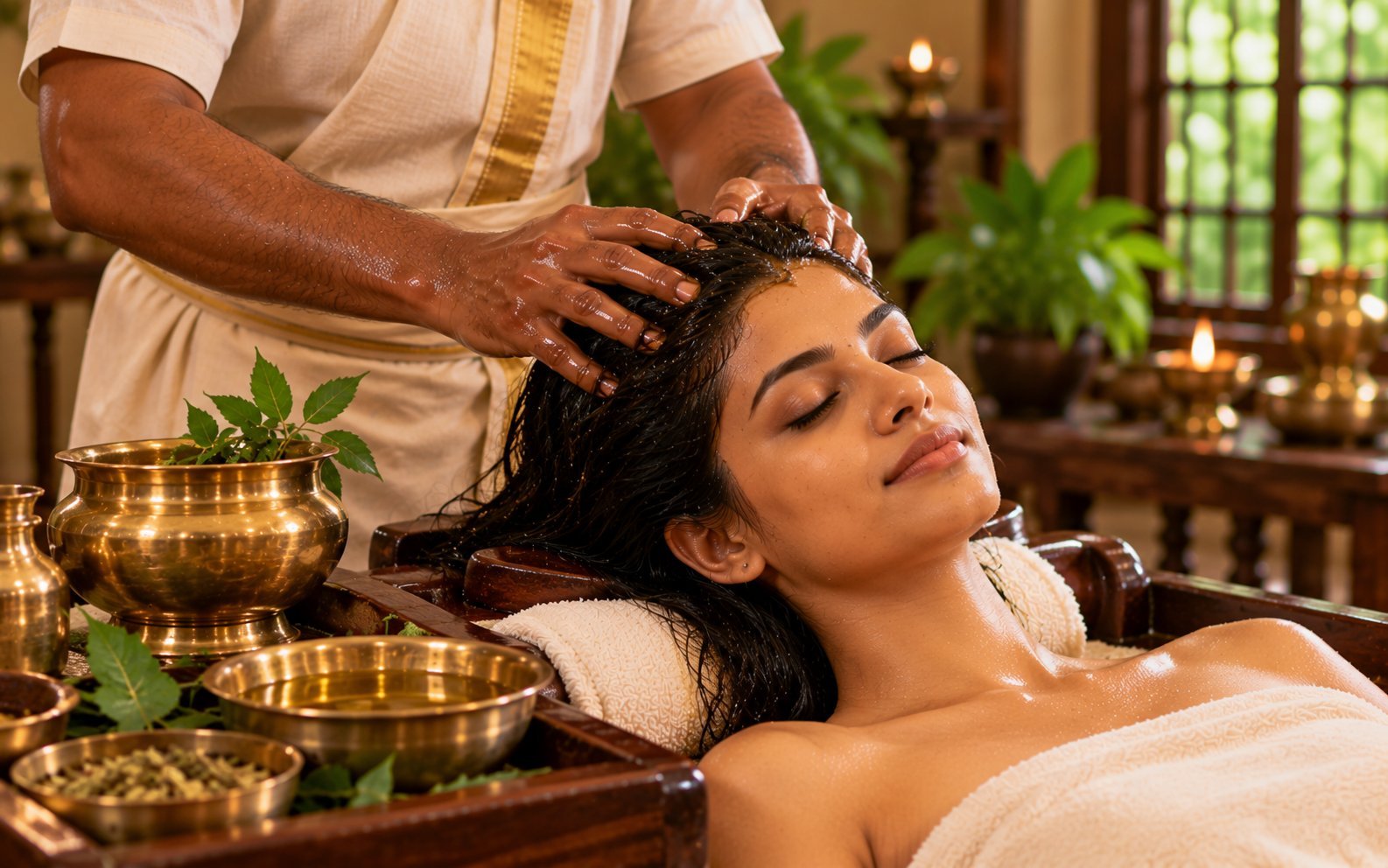 ShiroabhyangaTap to read full details
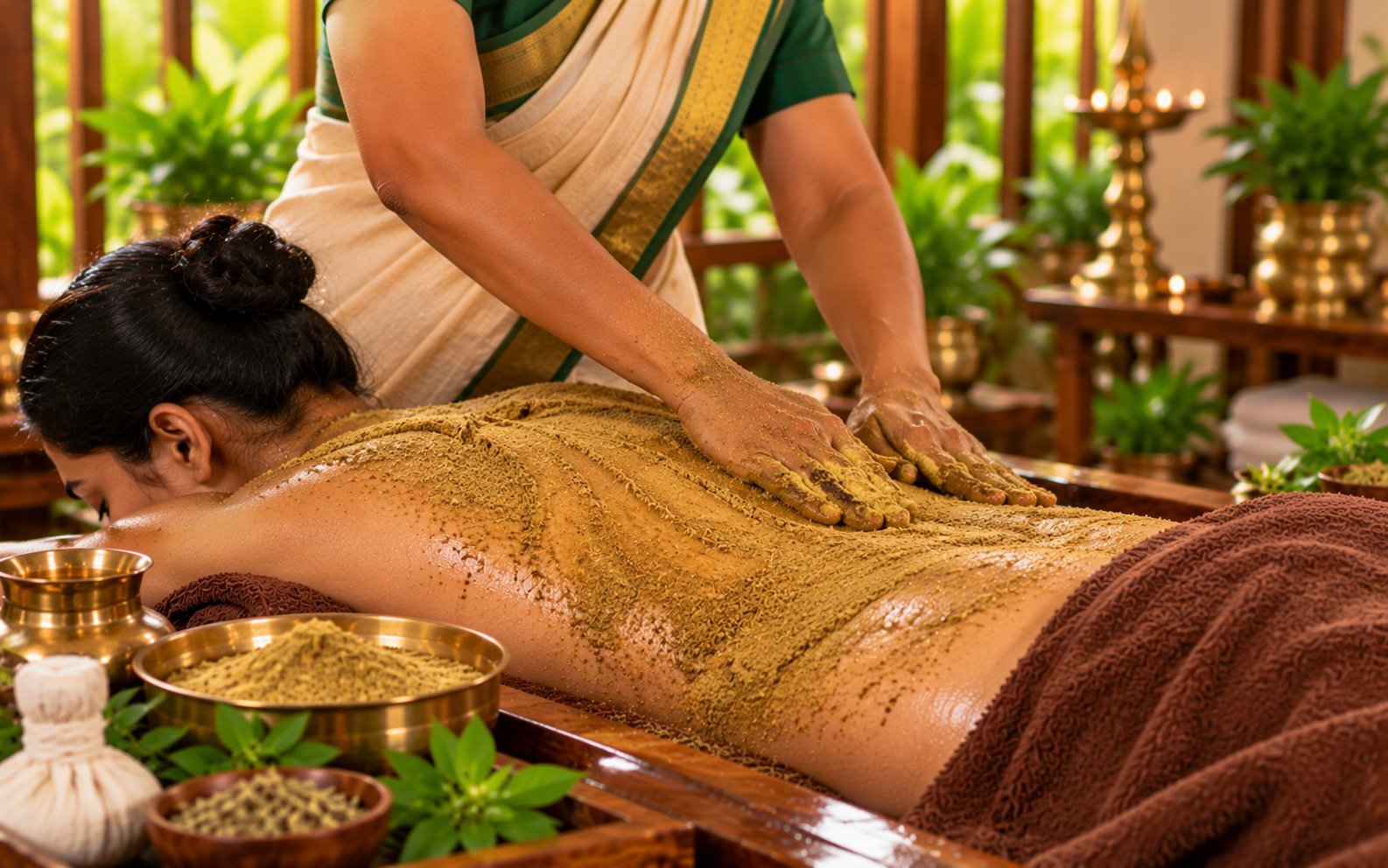 UdvartanaTap to read full details
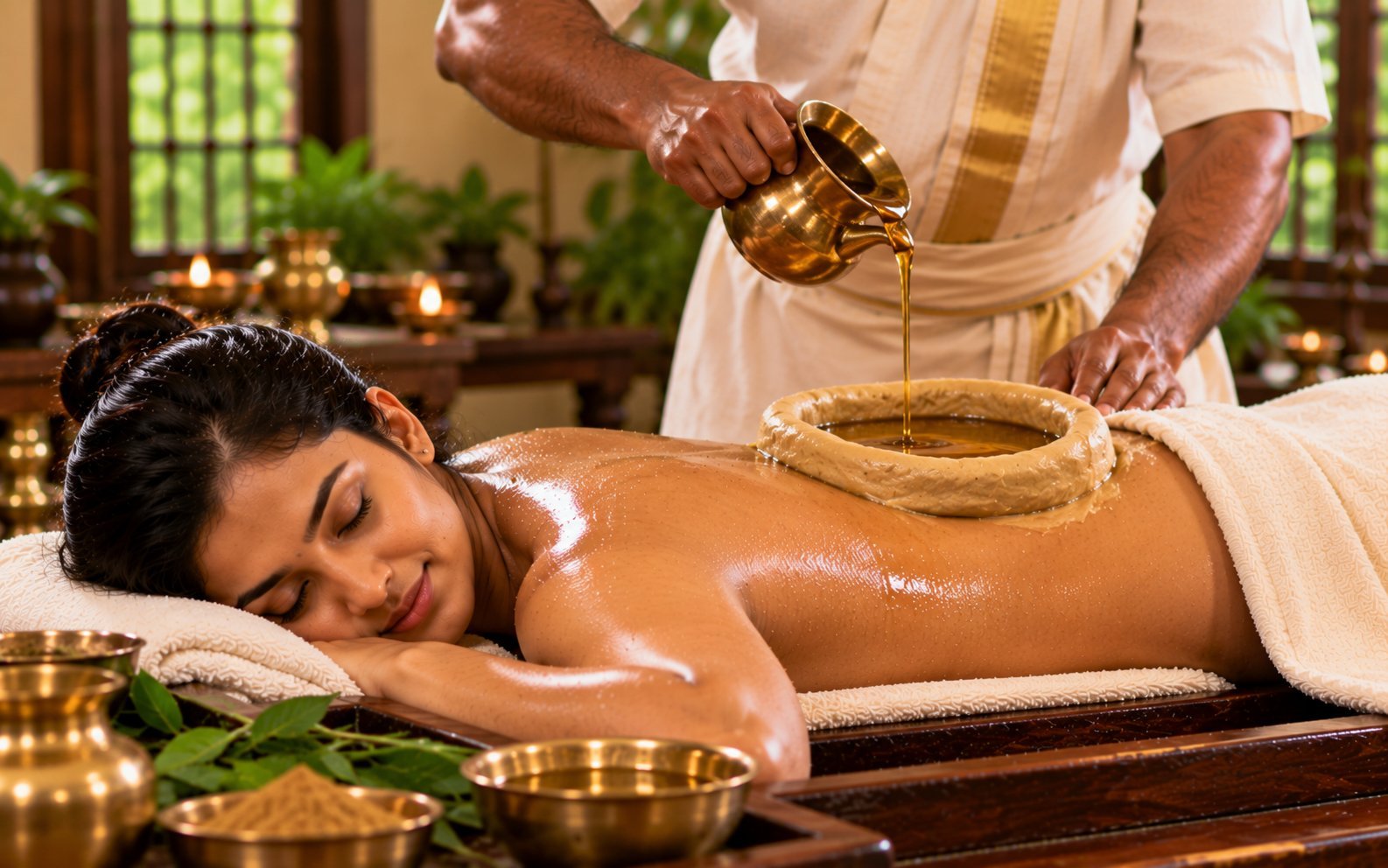 Kati BastiTap to read full details
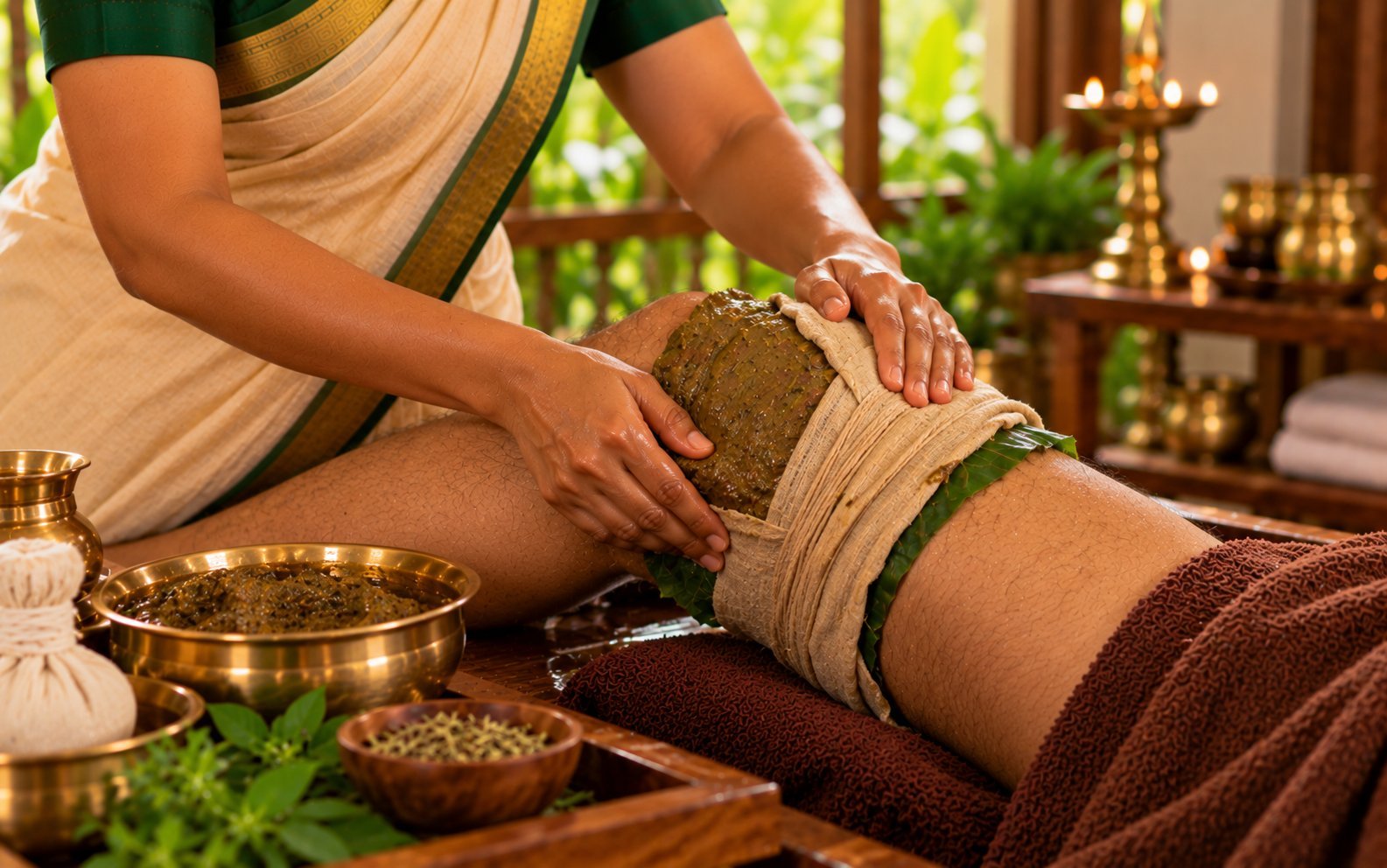 Upanaha SwedaTap to read full details
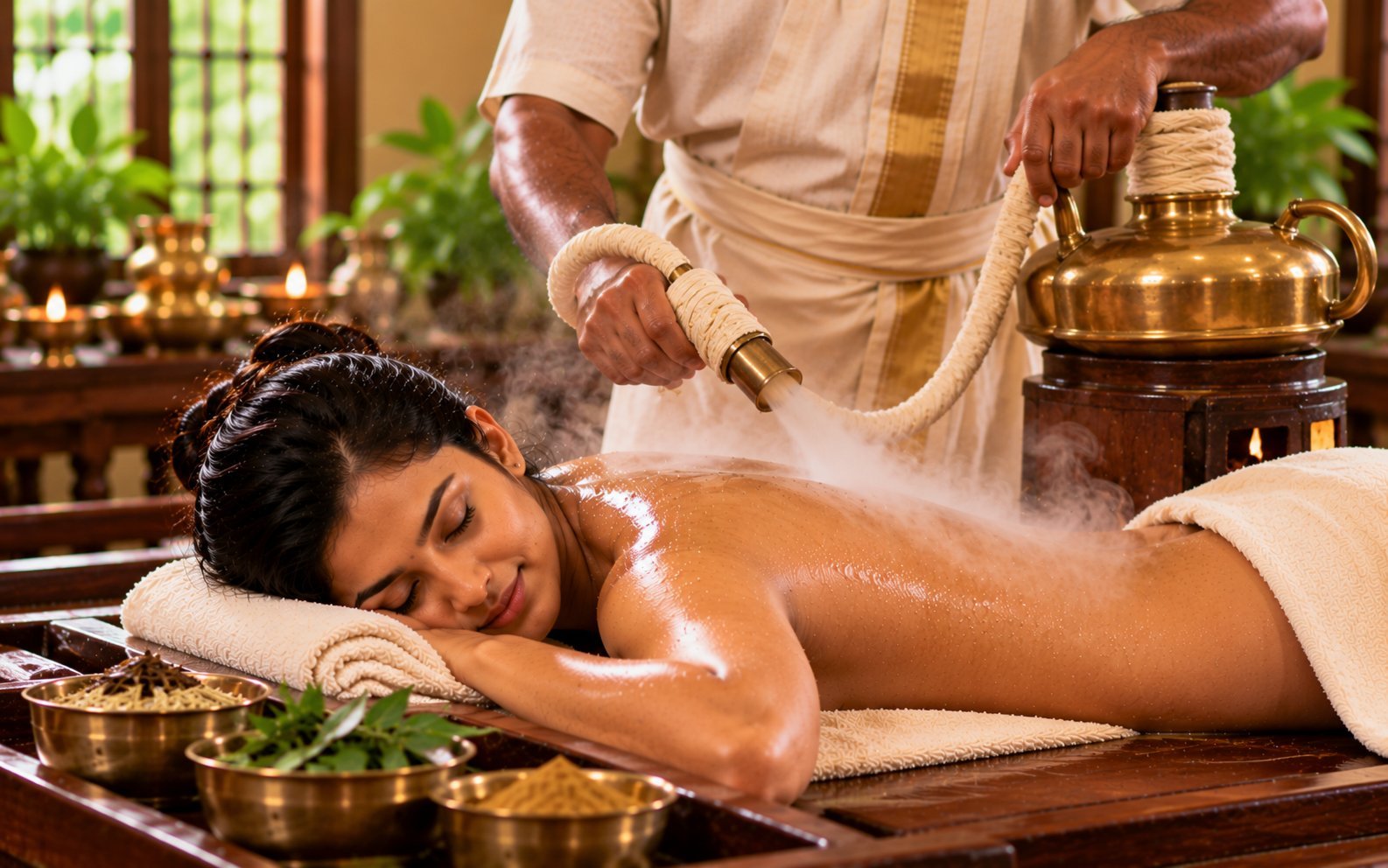 Nadi SwedaTap to read full details
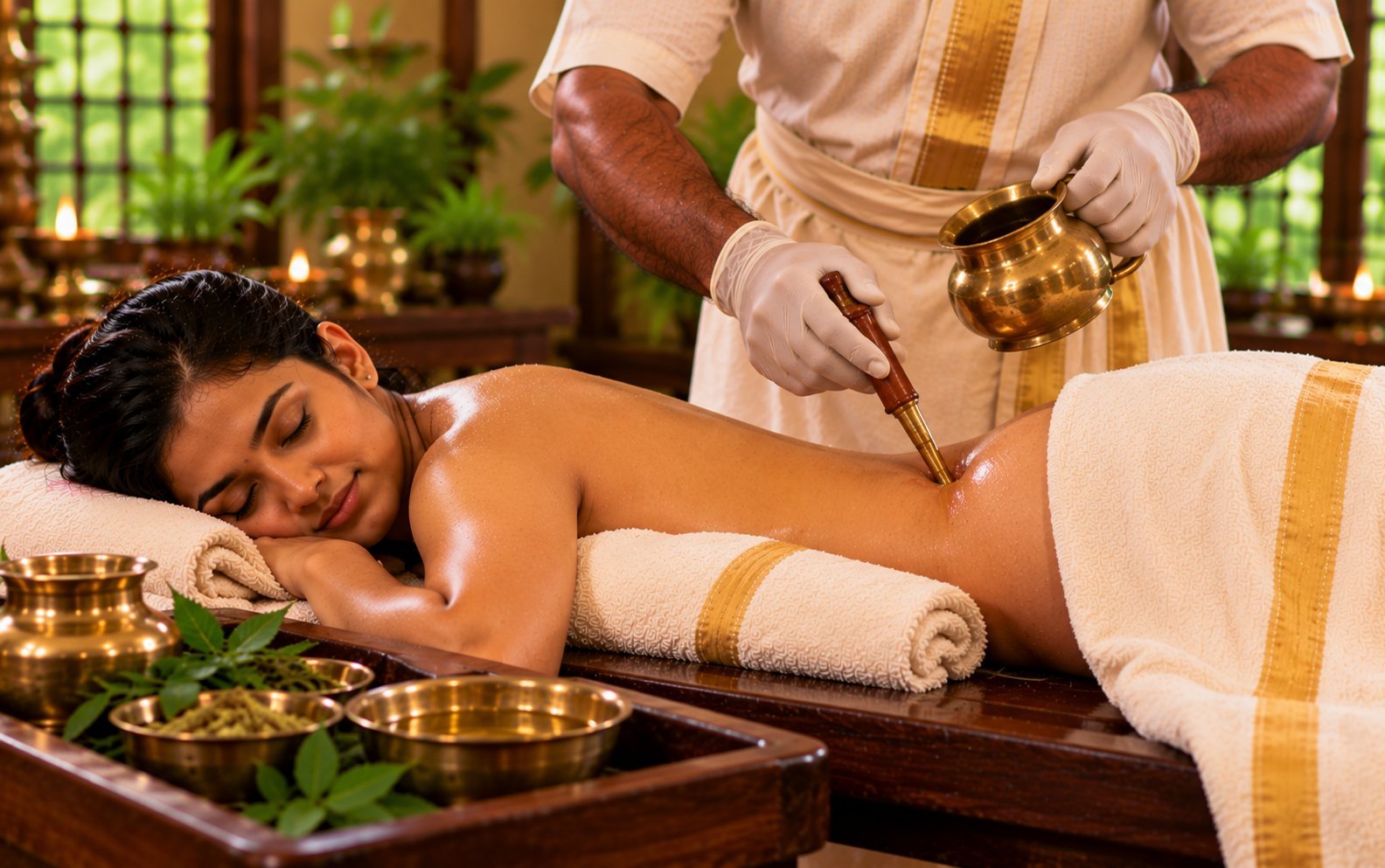 Kashaya VastiTap to read full details
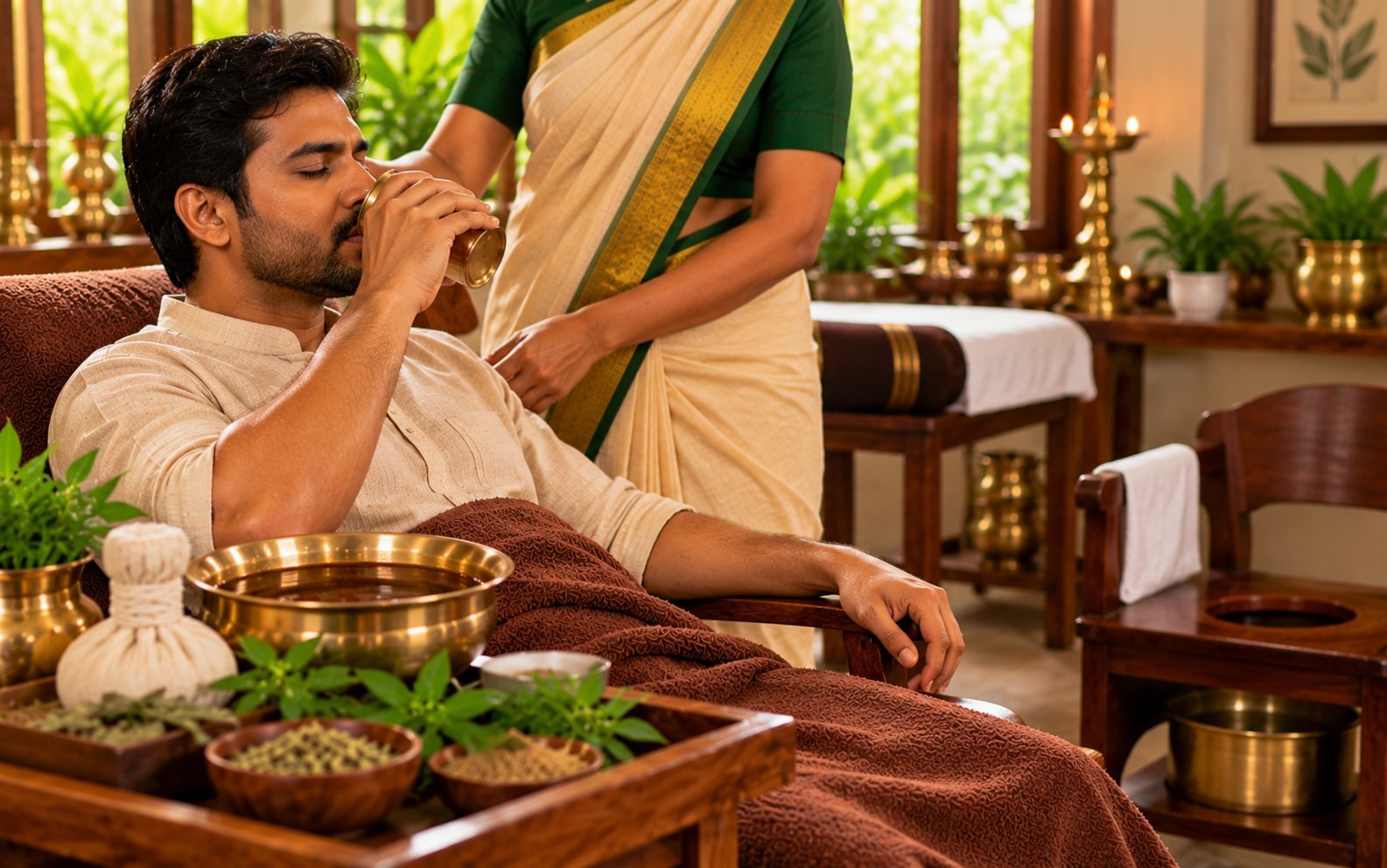 VirechanaTap to read full details
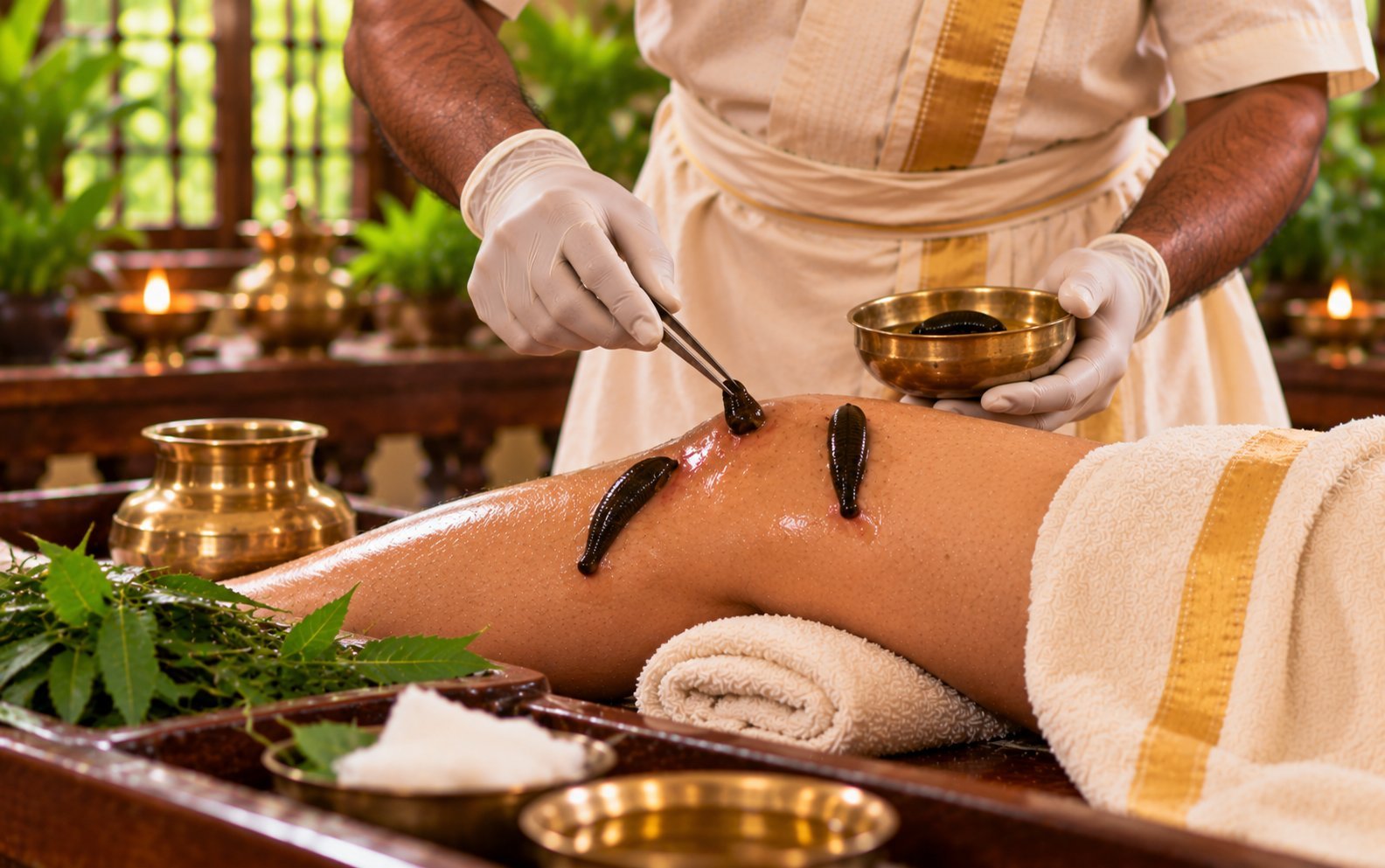 RaktamokshanaTap to read full details
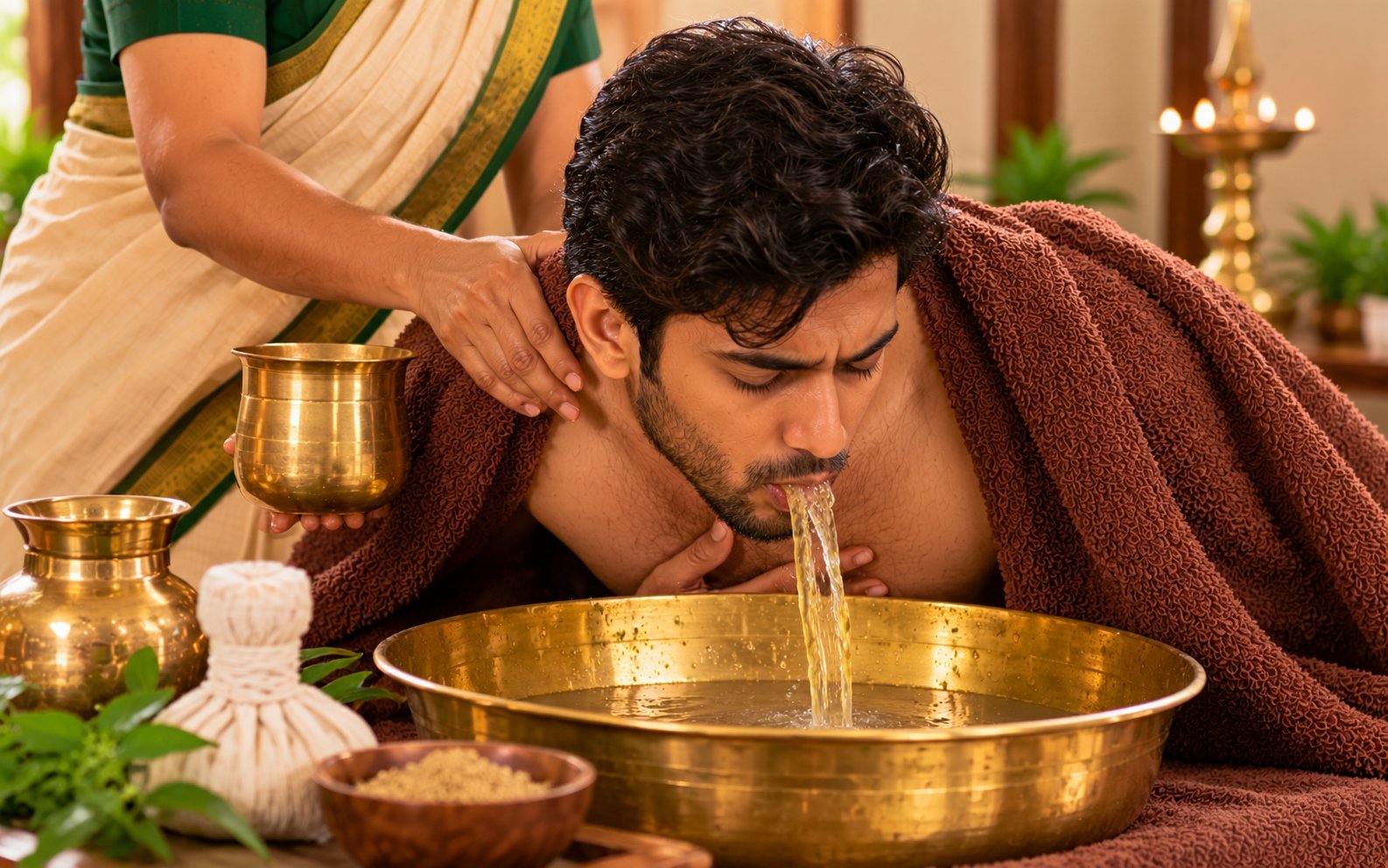 VamanTap to read full details
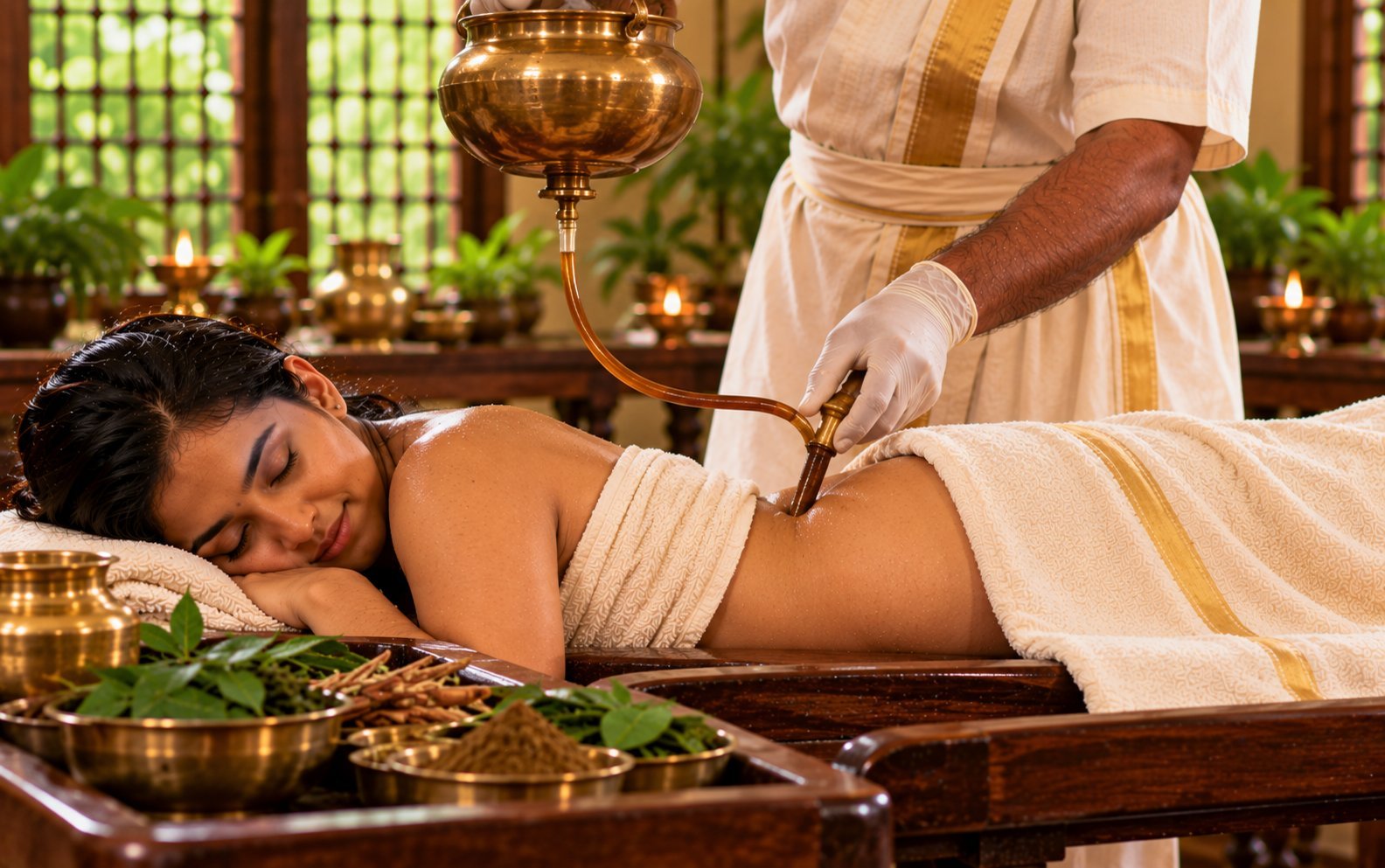 Matra BastiTap to read full details
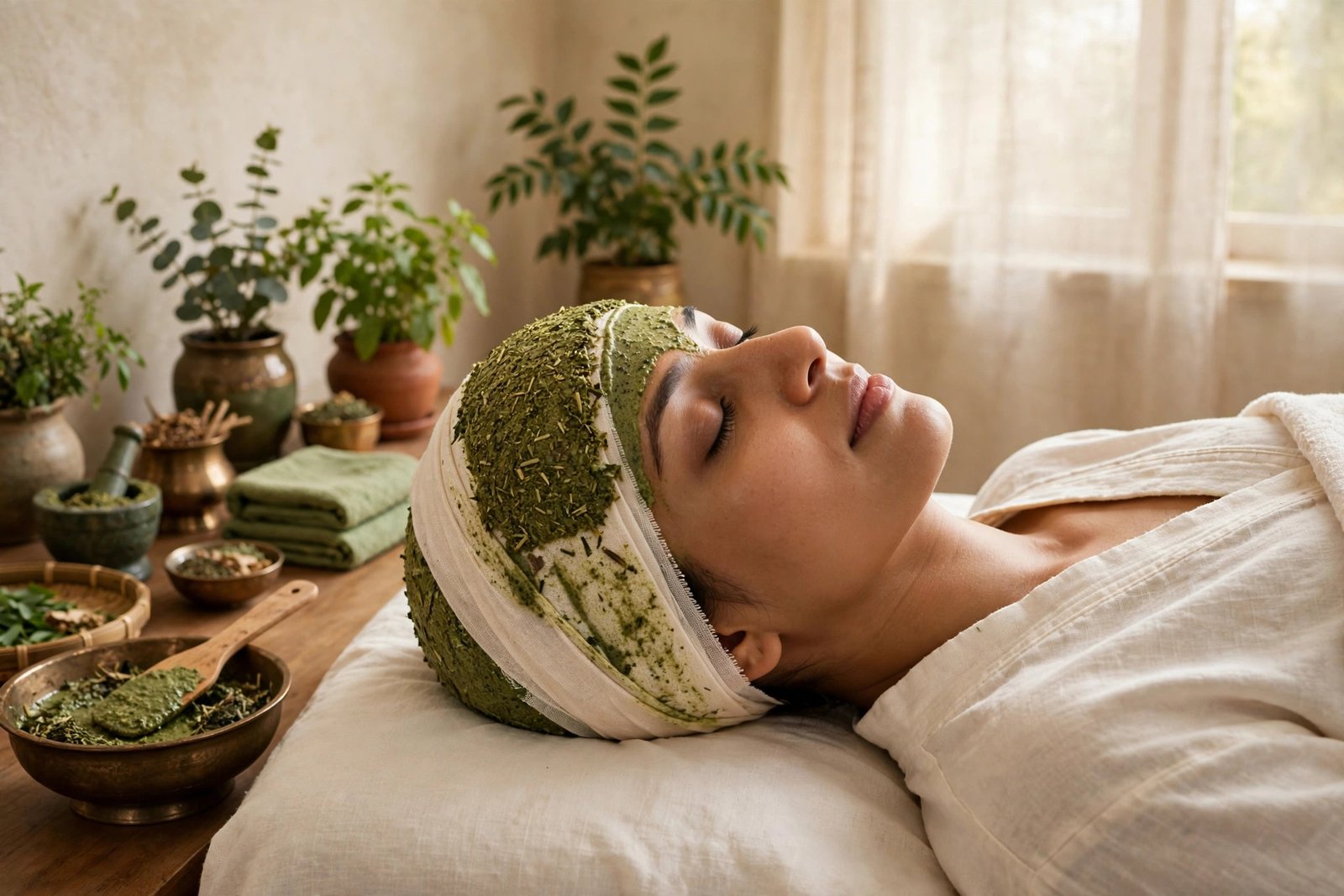 ThalapothichilTap to read full details
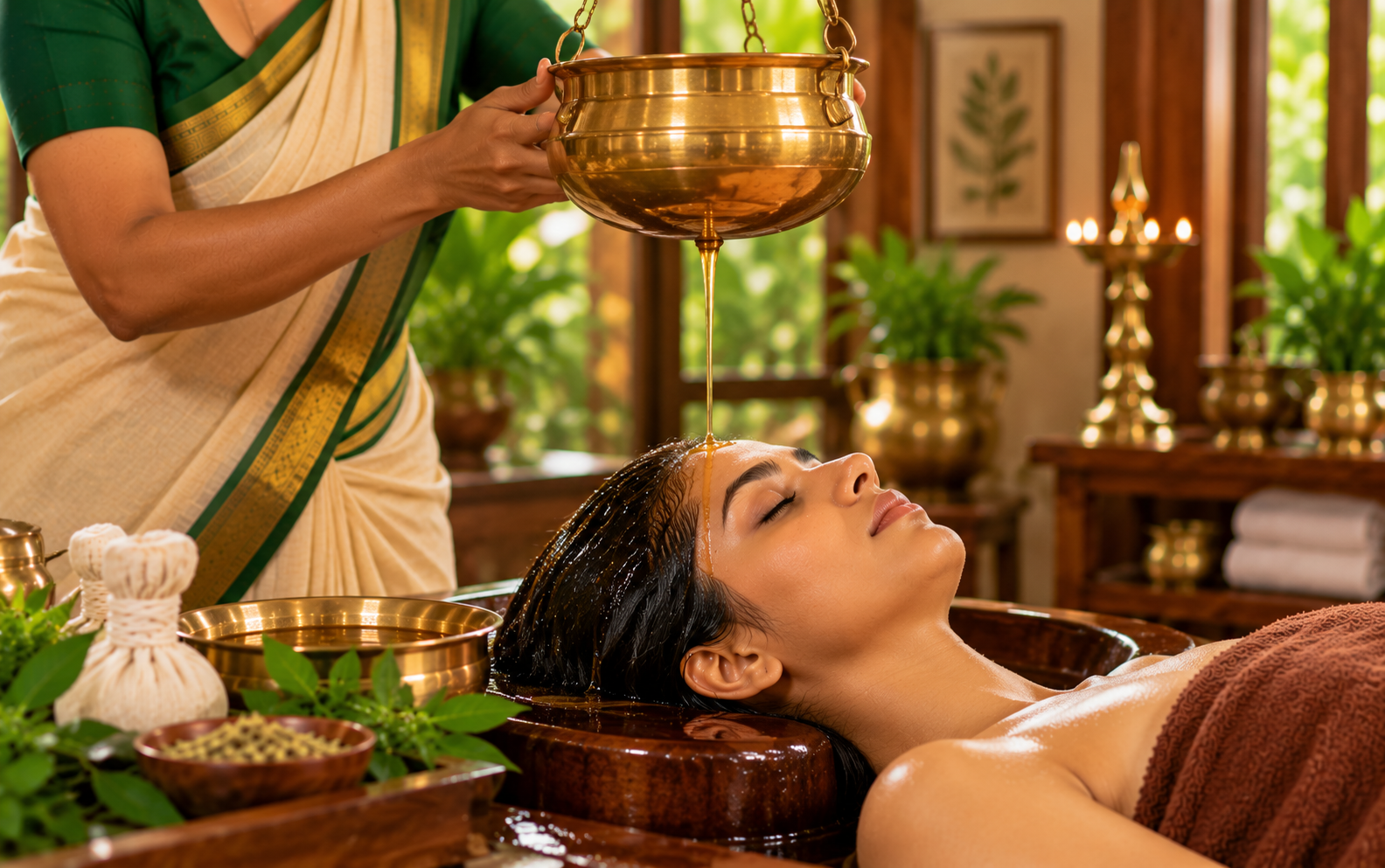 ShirodharaTap to read full details
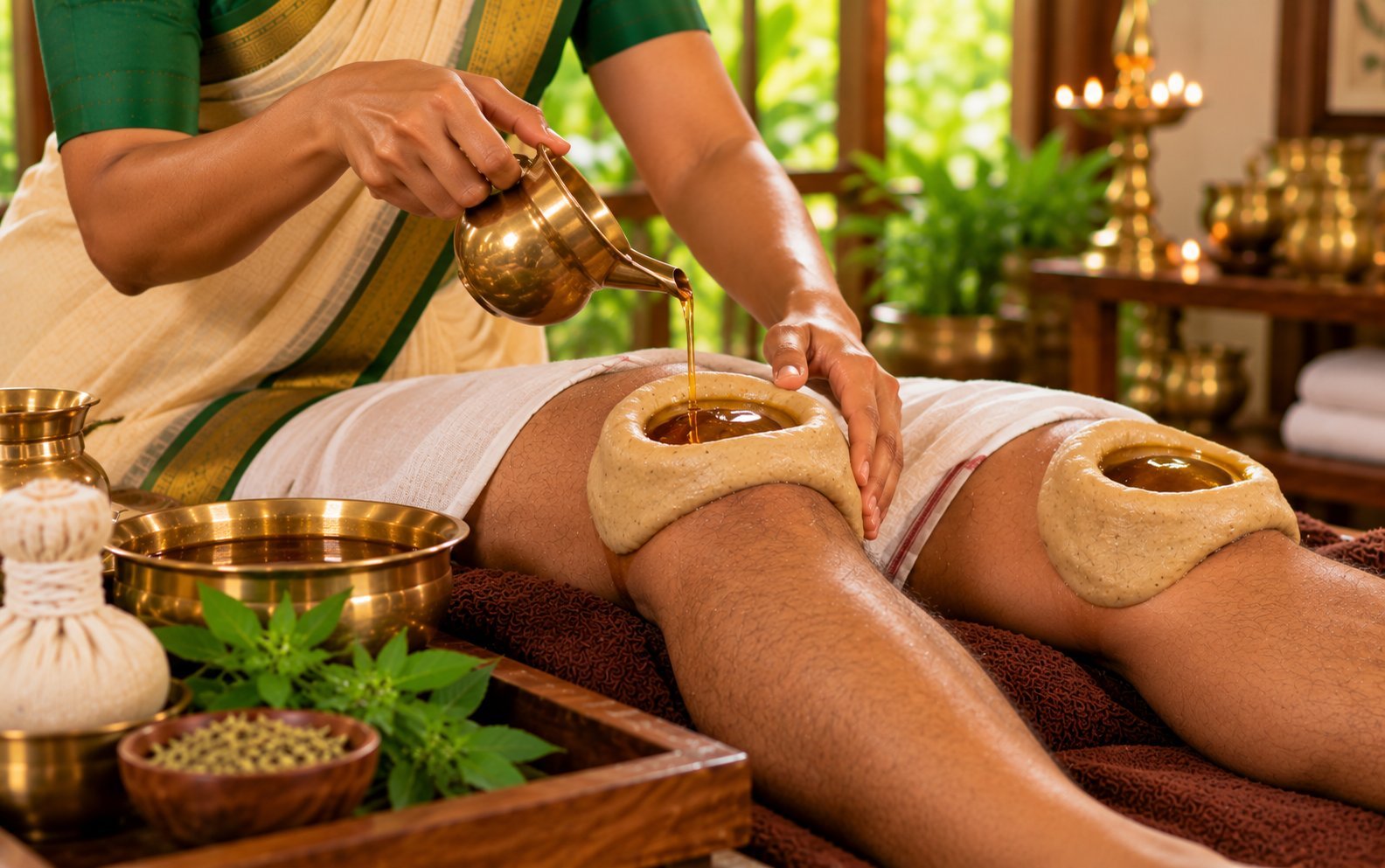 Janu BastiTap to read full details
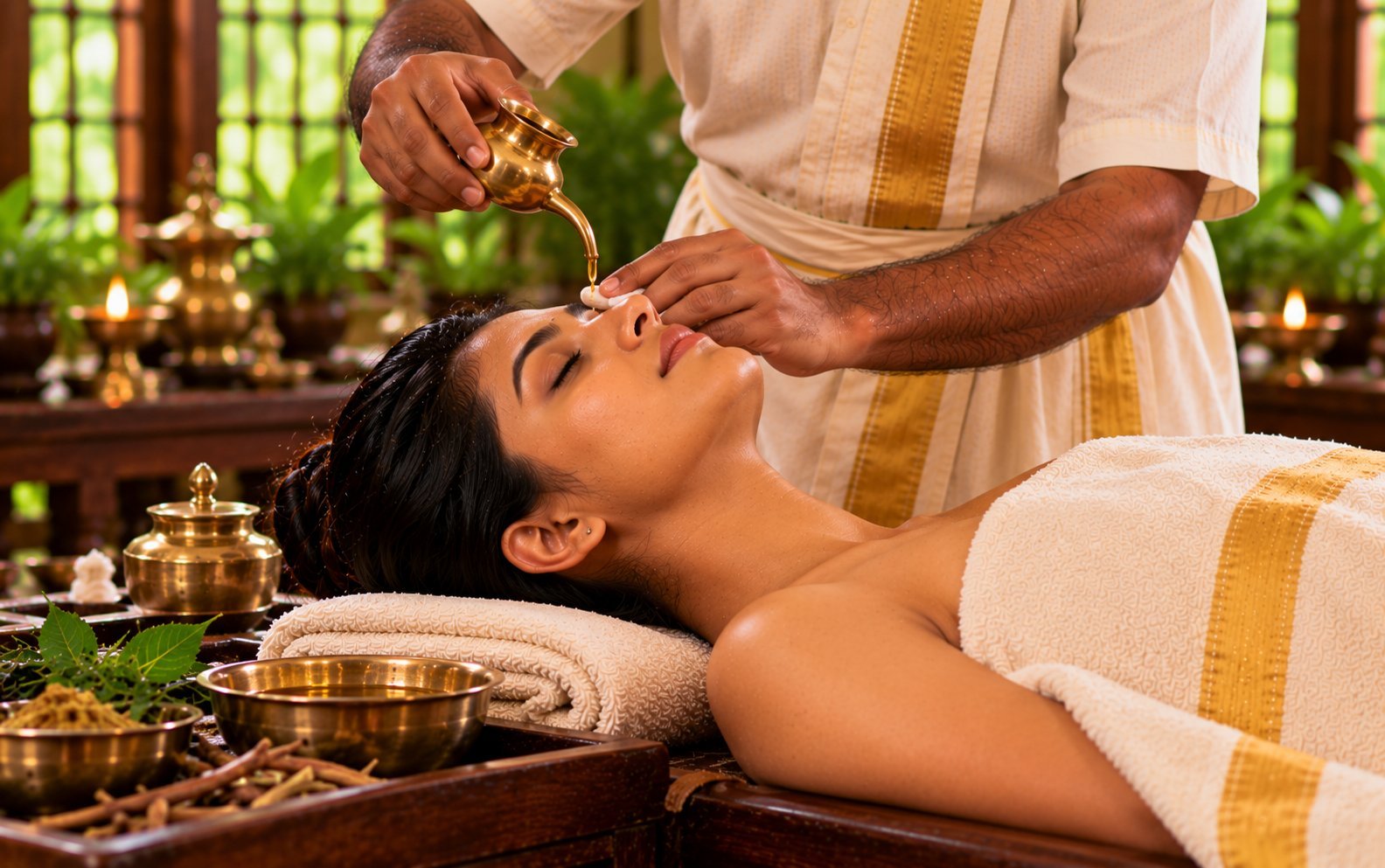 NasyaTap to read full details