Upkalpana therapy
Warm oil-soaked cloth over the knee — gentle, sustained nourishment for the joint.
✓ Prescribed by Dr. Gaurav Sharma after your diagnosis
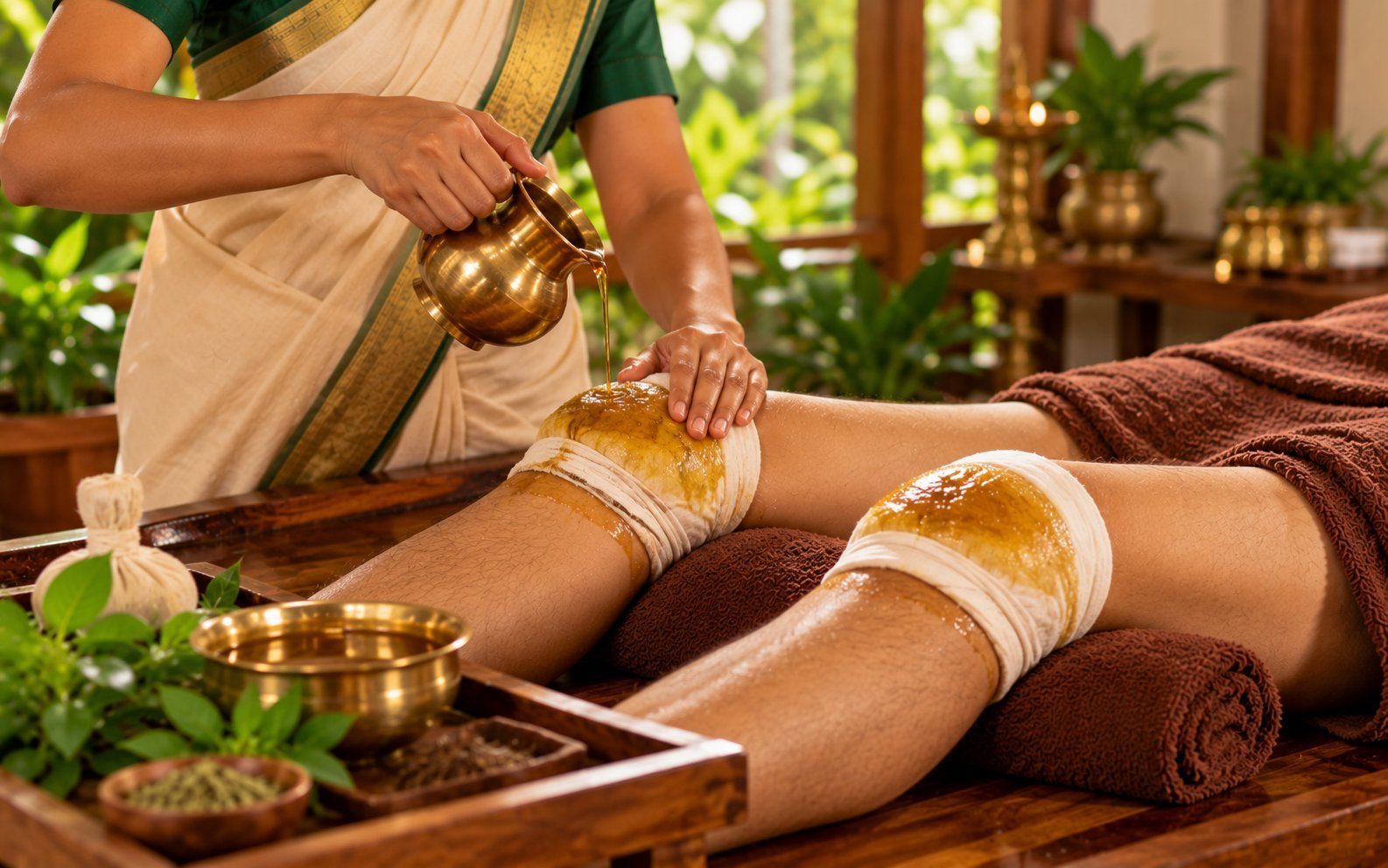
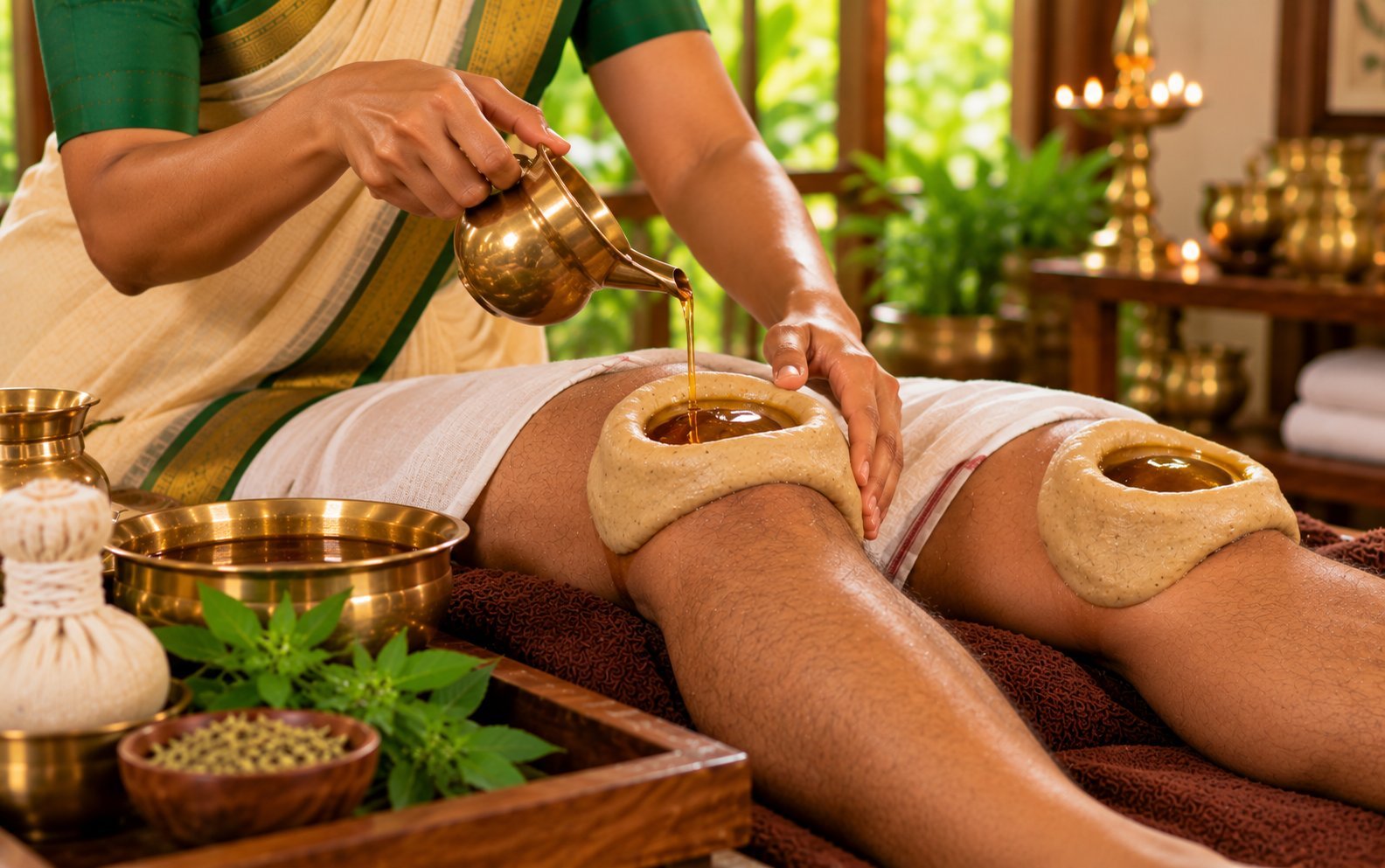
Janu Pichu is a gentle warm-oil therapy for the knee. Janu means the knee, and Pichu means a cloth or pad soaked in warm medicated oil, placed on the area. A cloth is soaked in warm oil and laid over the knee, kept warm for the prescribed time.
It is the gentler cousin of Janu Basti. There is no dough ring — the warm oil-soaked cloth gives sustained warmth through the cloth, and the medicine absorbs slowly into the knee. It is soothing, simple and deeply relaxing, and it suits people whose knee problem is still mild.
In Ayurveda, Janu Pichu mainly pacifies Vata in the knee — the dosha behind dryness, stiffness and mild pain. It is used for mild knee discomfort, stiffness after sitting, early knee soreness, and knee tiredness after walking.
Not every knee problem needs the strongest therapy. Janu Pichu gives gentle, sustained warmth — exactly what a mildly troubled knee needs.
If any of these sound like you, this therapy was made for your problem.
If your knee is starting to complain but the problem is still mild, Janu Pichu is the right place to begin.
Janu Pichu suits people whose knee trouble is still early or mild — and people who need a gentle therapy rather than a strong one.
It suits early Vata problems in the knee — mild dryness, stiffness and soreness. The doctor decides whether Pichu is enough or whether Basti is needed.
A typical session lasts 20–30 minutes.
Consultation first. The doctor examines your knee, checks your pulse with Nadi Pariksha, and decides whether Janu Pichu suits you and which oil to use.
Cloth soaked in warm medicated oil. A clean cloth is soaked in warm medicated oil, chosen for your knee.
Placed over the knee, kept warm. The cloth is laid over the knee and kept warm, re-warmed as needed, for the prescribed time.
Removed after the prescribed time. The cloth is removed once the prescribed time is over.
Light massage. A light massage finishes the session, easing the muscles around the knee.
Rest and aftercare. You rest briefly. The therapist advises you to keep the knee warm and move gently for a few hours.
Keep the knee warm after the session. Avoid cold air, cold water on the knee, and sudden heavy strain for a few hours.
At Adinath, Janu Pichu is prescribed by Dr. Gaurav Sharma after Nadi Pariksha and your diagnosis. The oil, the warmth and the duration are set for your knee — a person with early soreness gets a different preparation than one with long-standing stiffness.
Our therapists are trained in the classical Pichu technique — the right cloth, the right warmth, the right time. When needed, Janu Pichu is combined with other therapies, or the doctor may advise Janu Basti instead if your knee needs deeper treatment.
Janu Pichu is extremely gentle — just warm oil and cloth. It is suitable even for sensitive patients.
Tell the doctor beforehand about skin wounds on the knee, fever, or a hot, very swollen joint.

BAMS · Fellowship, NIA Jaipur · Member IFM USA · Panchakarma Specialist
Every therapy at Adinath is prescribed by Dr. Gaurav Sharma himself — after Nadi Pariksha and your diagnosis. Never a fixed package.
Patient stories
★★★★★
"My open pores, pigmentation and acne cleared after five facial therapy sessions. Thank you Dr. Gaurav Sharma Sir and Adinath Ayurveda Hospital."
— LearnLoop (Acne & Pigmentation)
Posted on Google
★★★★★
"Ulcerative colitis much improved with Ayurveda here. Detailed guidance on medicines, diet and lifestyle — nothing felt rushed."
— Sourav Sain (Ulcerative Colitis)
Posted on Google
★★★★★
"Digestive issues resolved after a detailed consultation with proper diet advice. Jaipur’s best ayurvedic skin doctor."
— Anil Kumar (Digestion)
Posted on Google
★★★★★
"Came from Germany with psoriasis — it improved dramatically and my skin is now clear. Highly recommend Dr. Gaurav Sharma."
— Ale A. (Psoriasis)
Posted on Google
★★★★★
"Stomach ulcers that didn’t improve elsewhere got a lot better in just 7 days. The best Ayurveda doctor."
— Vikram Singh (Stomach Ulcers)
Posted on Google
It is a gentle warm-oil therapy for the knee — an oil-soaked cloth placed over the knee — used for mild knee discomfort, stiffness after sitting, early knee soreness, and knee tiredness after walking.
About 20–30 minutes.
That depends on your knee. The doctor decides the course after examining you — a mild, recent soreness needs fewer sessions than a long-standing stiffness.
Not at all. It is one of the gentlest knee therapies — just warm oil and cloth.
It is safe for most people, including sensitive and elderly patients. Tell the doctor about skin wounds on the knee, fever, or a hot, very swollen joint.
Rest briefly, keep the knee warm, and avoid cold air and sudden heavy strain for a few hours.
Only after the doctor teaches you the correct oil, warmth and method. The clinic version, with steady warmth and trained hands, works better.
Wear loose clothes that leave the knee open. Eat light before the session and avoid a heavy meal just before.
The doctor decides after examining your knee. Pichu suits milder cases; Basti suits deeper problems. The doctor will tell you honestly which one fits.
Tell us your problem on WhatsApp — we’ll tell you honestly whether Ayurveda can help.
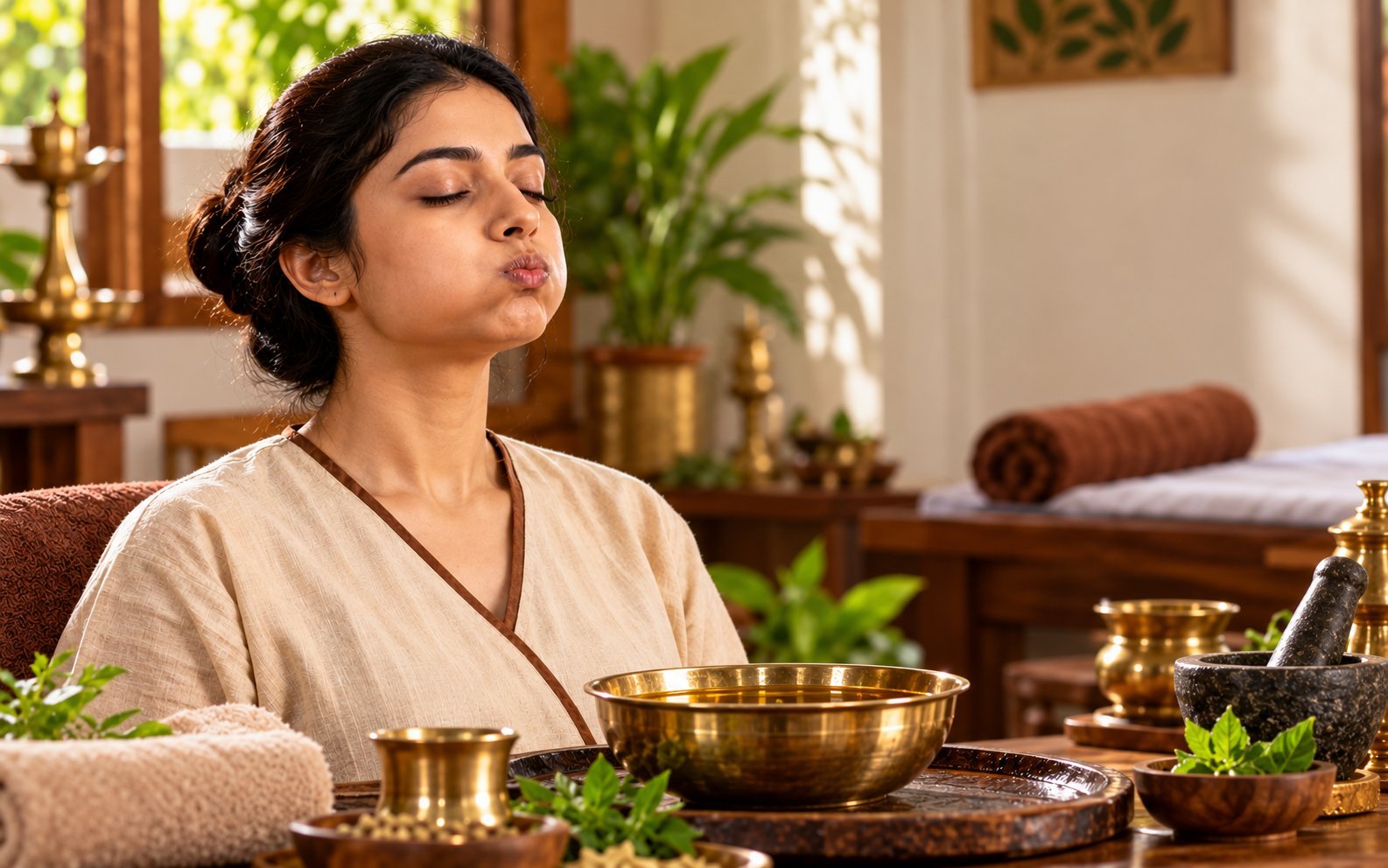 GandushTap to read full details
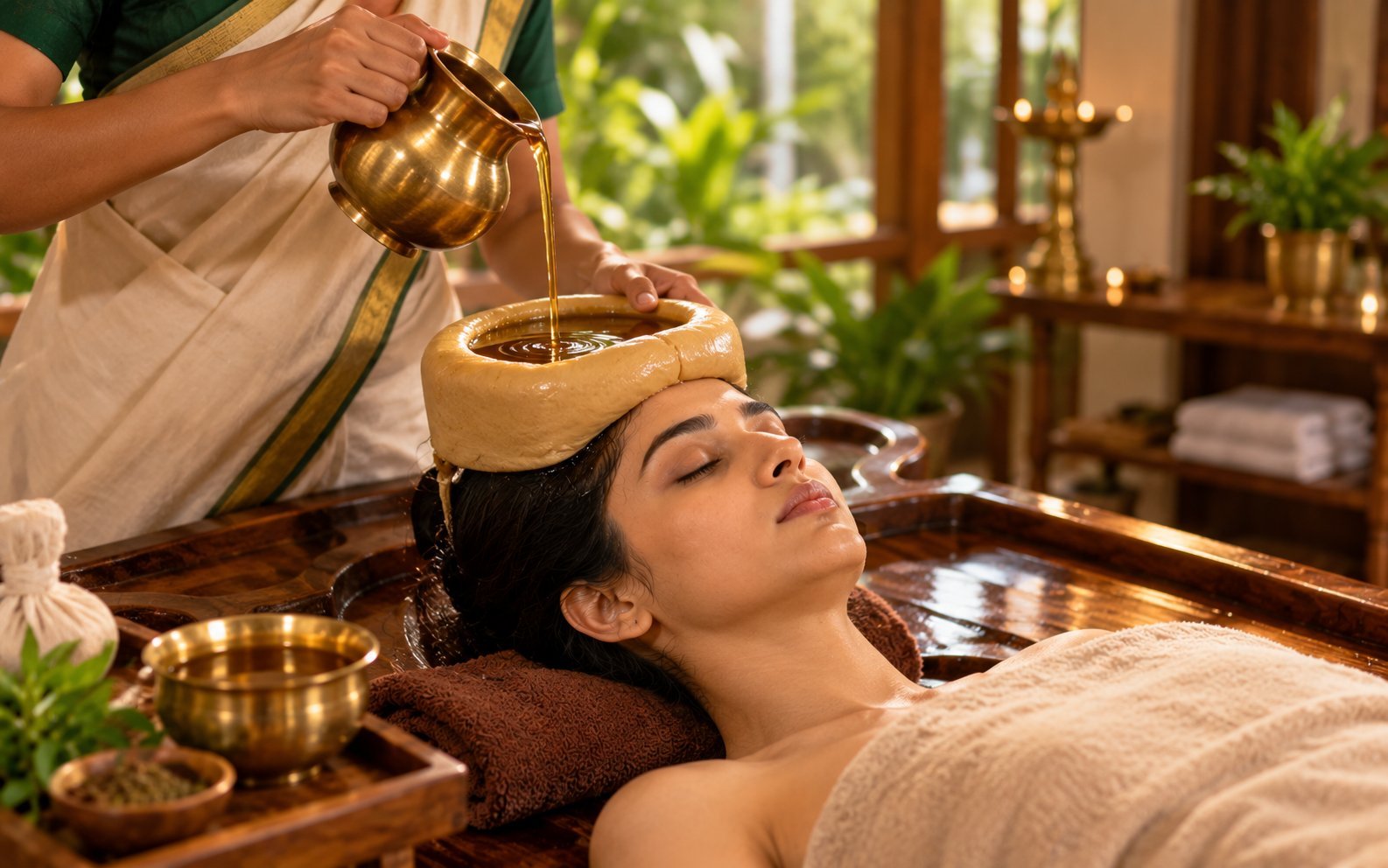 ShirovastiTap to read full details
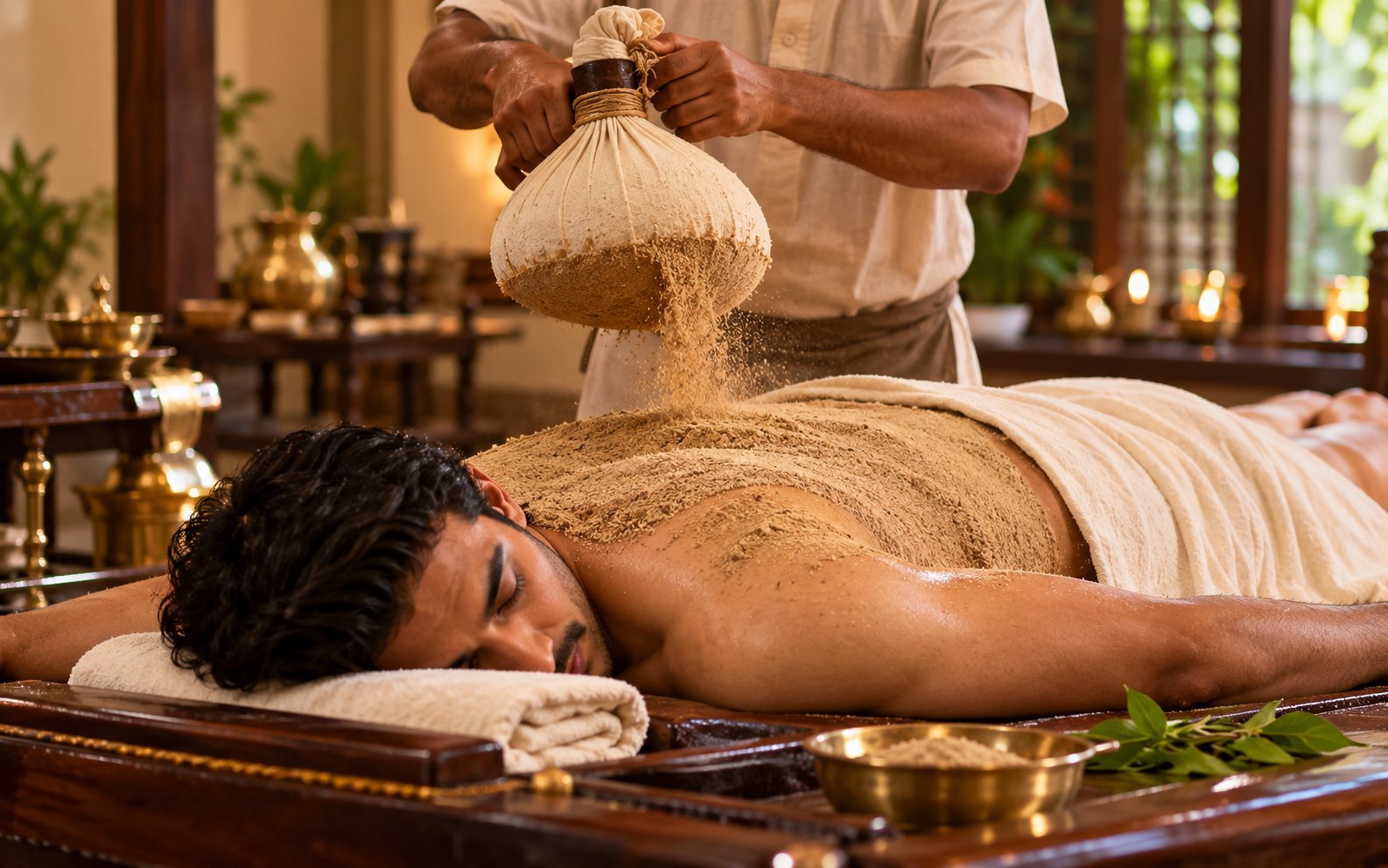 Valuka SwedaTap to read full details
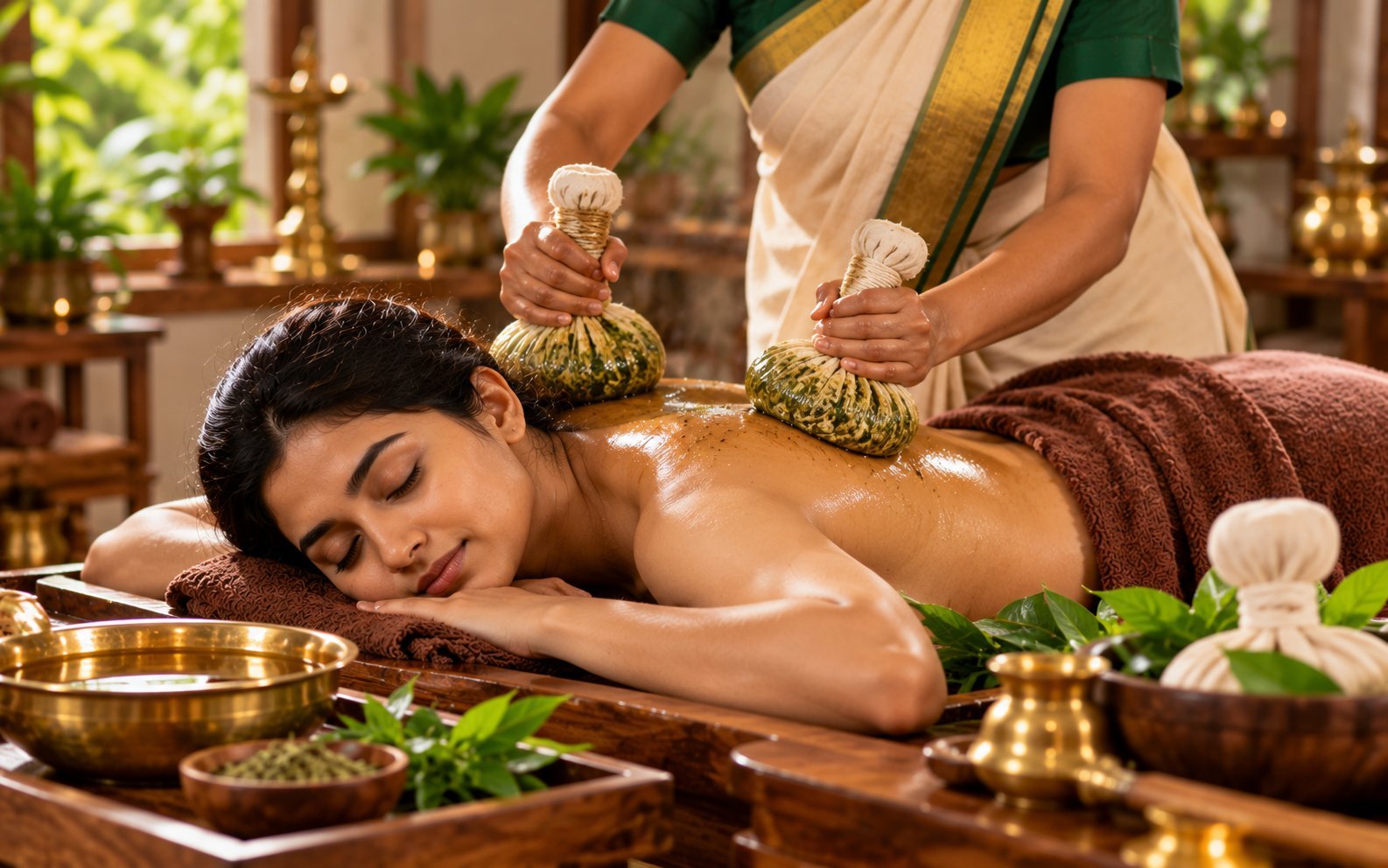 Patra Pottali SwedaTap to read full details
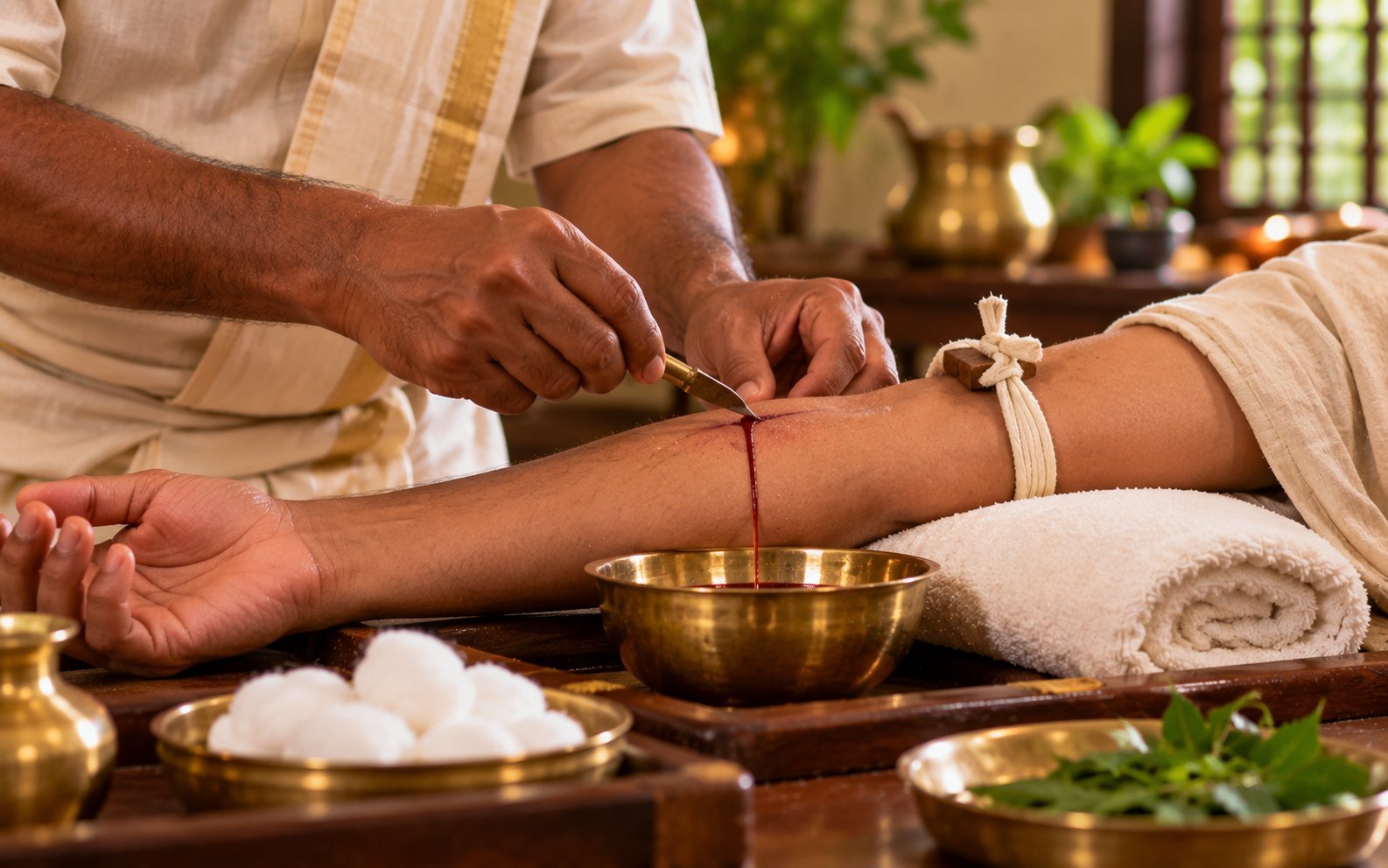 SiravedhaTap to read full details
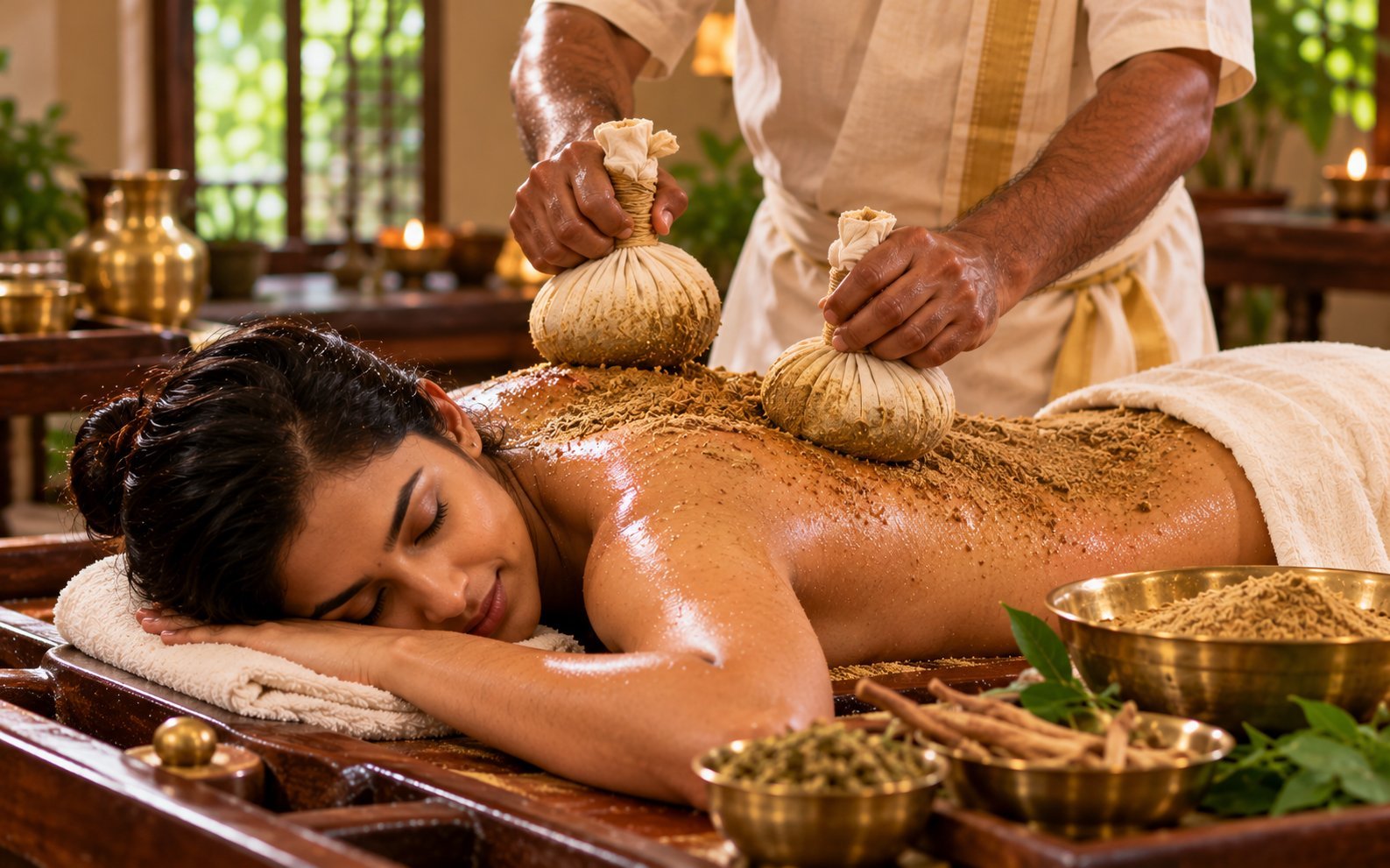 Churna Pinda SwedaTap to read full details
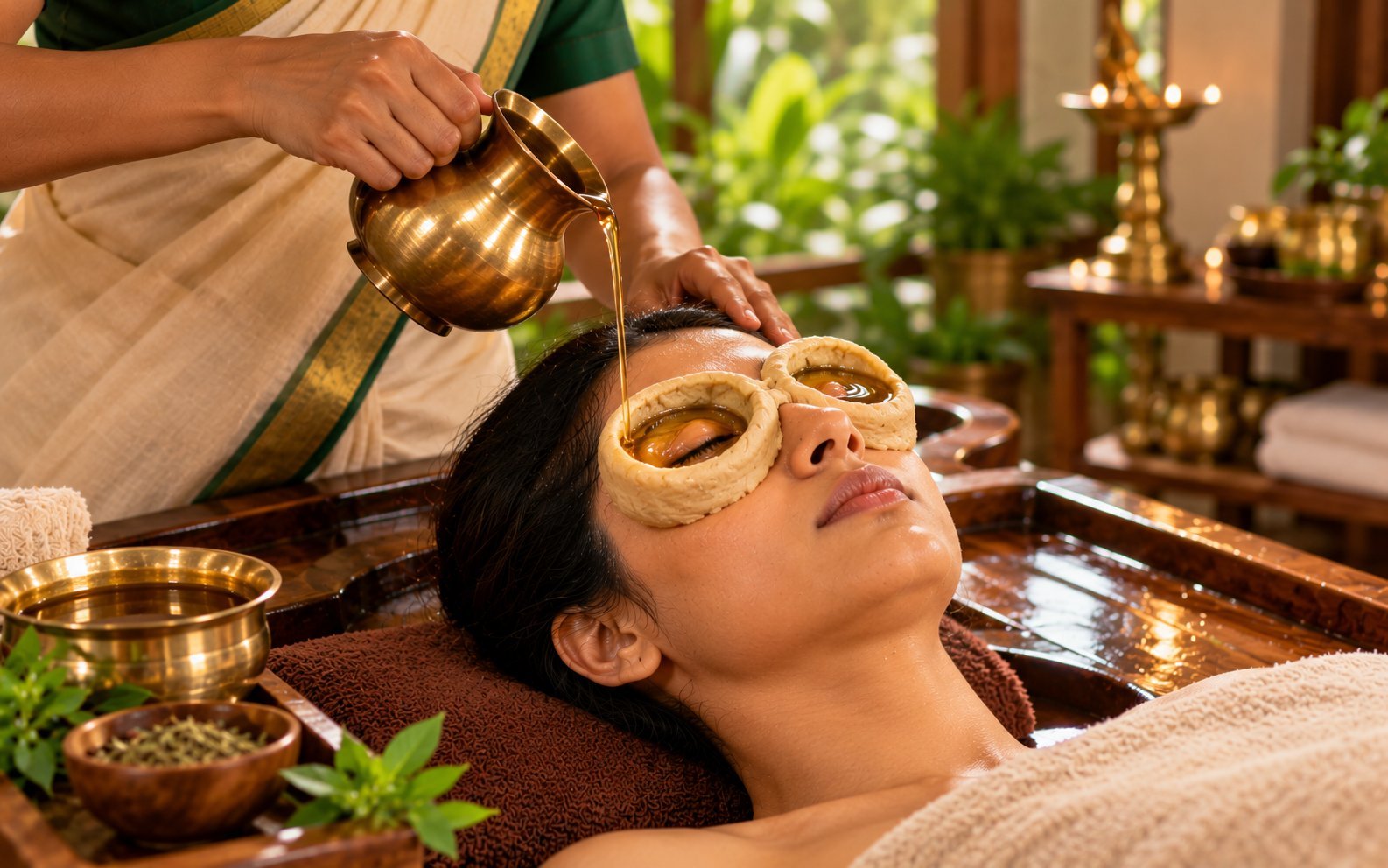 Netra BastiTap to read full details
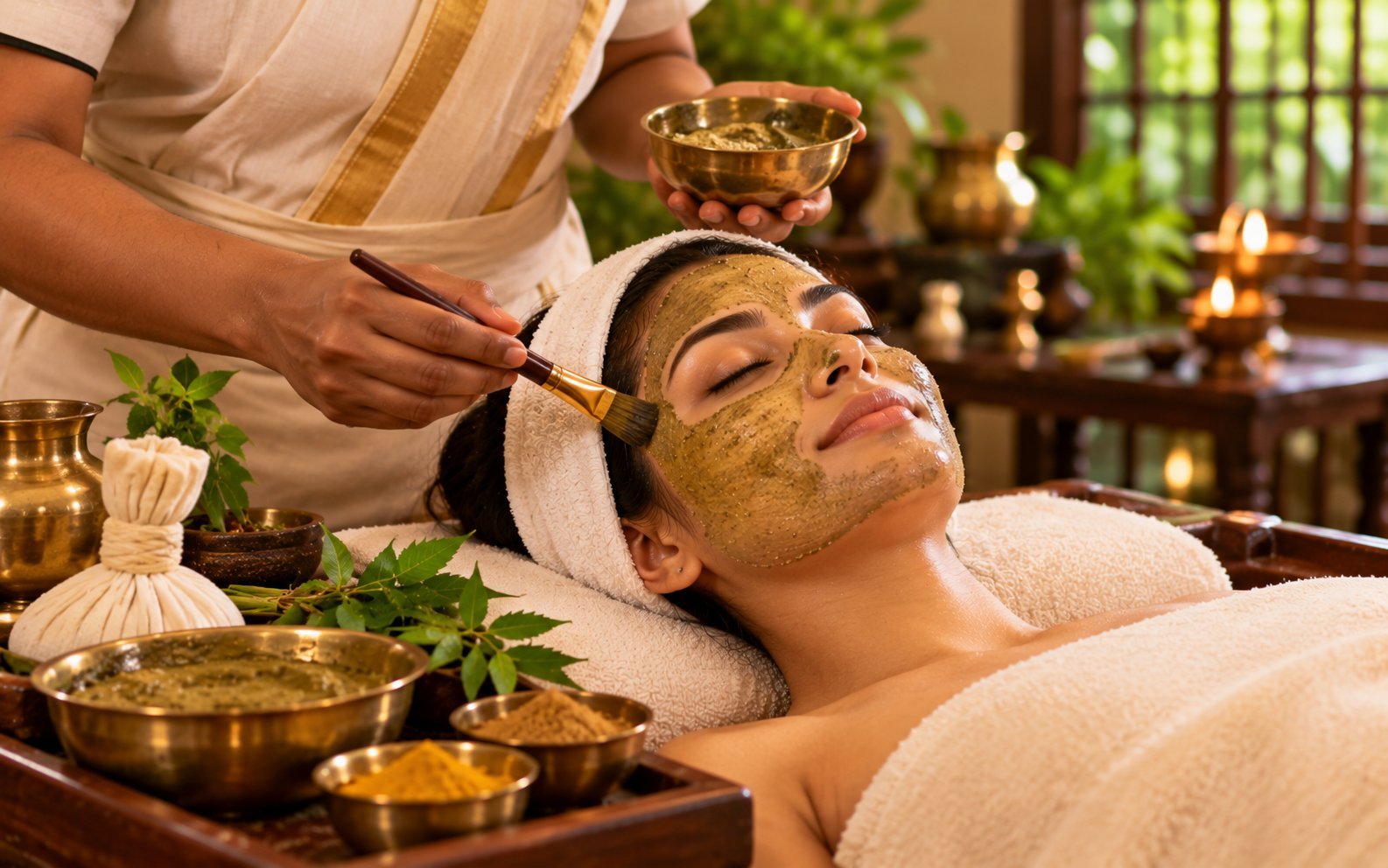 Ayurvedic FacialTap to read full details
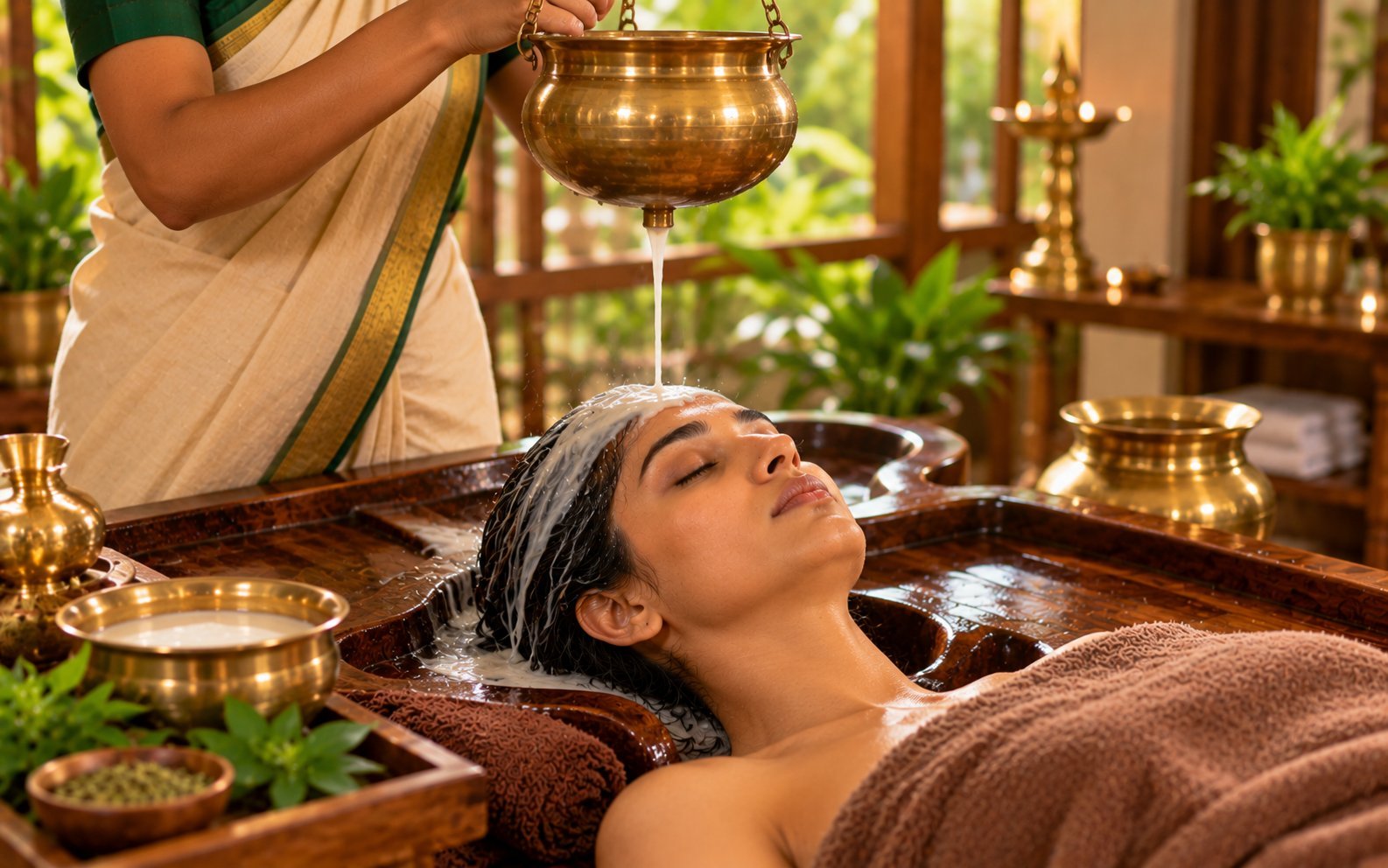 TakradharaTap to read full details
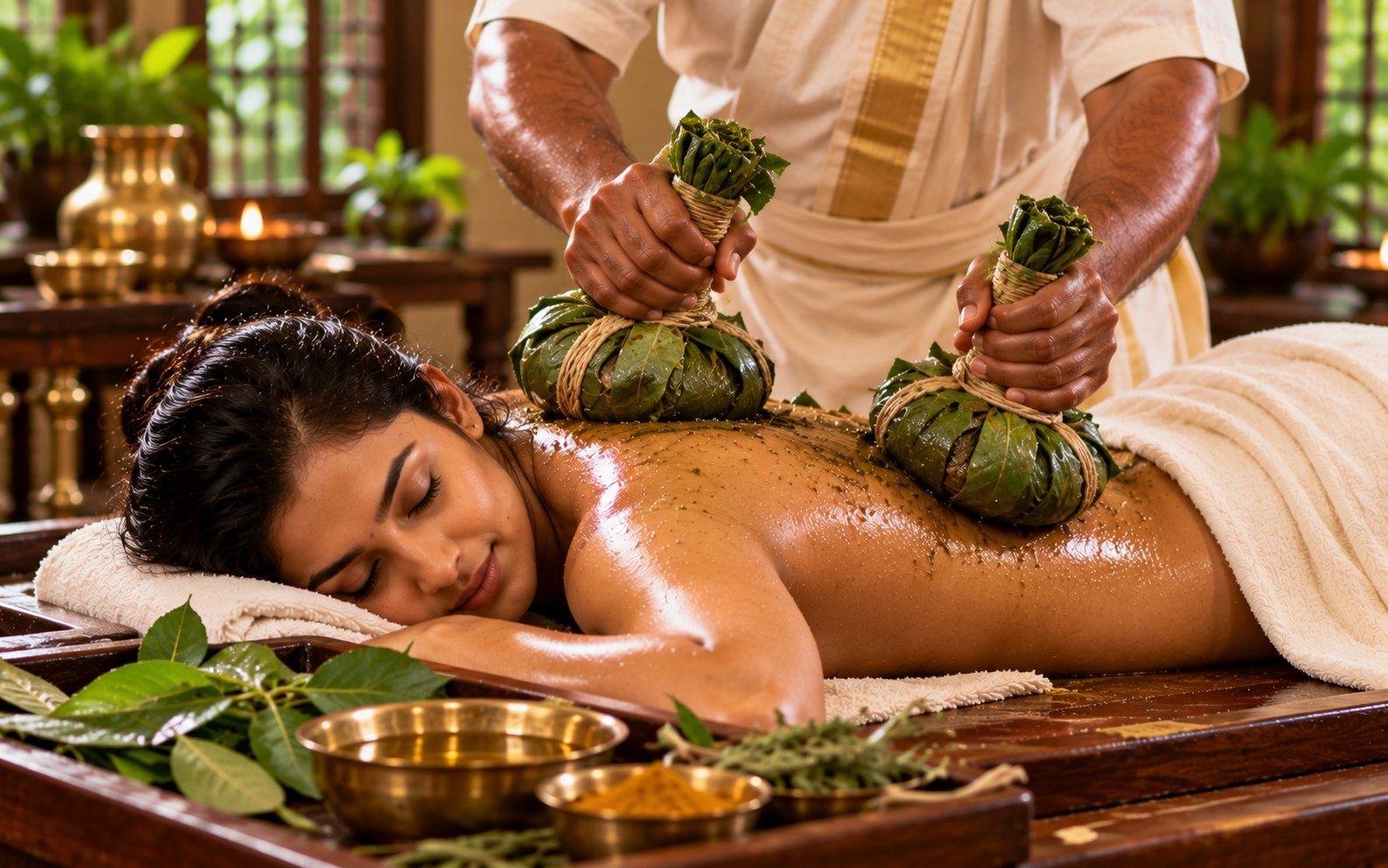 Patra Pinda SwedaTap to read full details
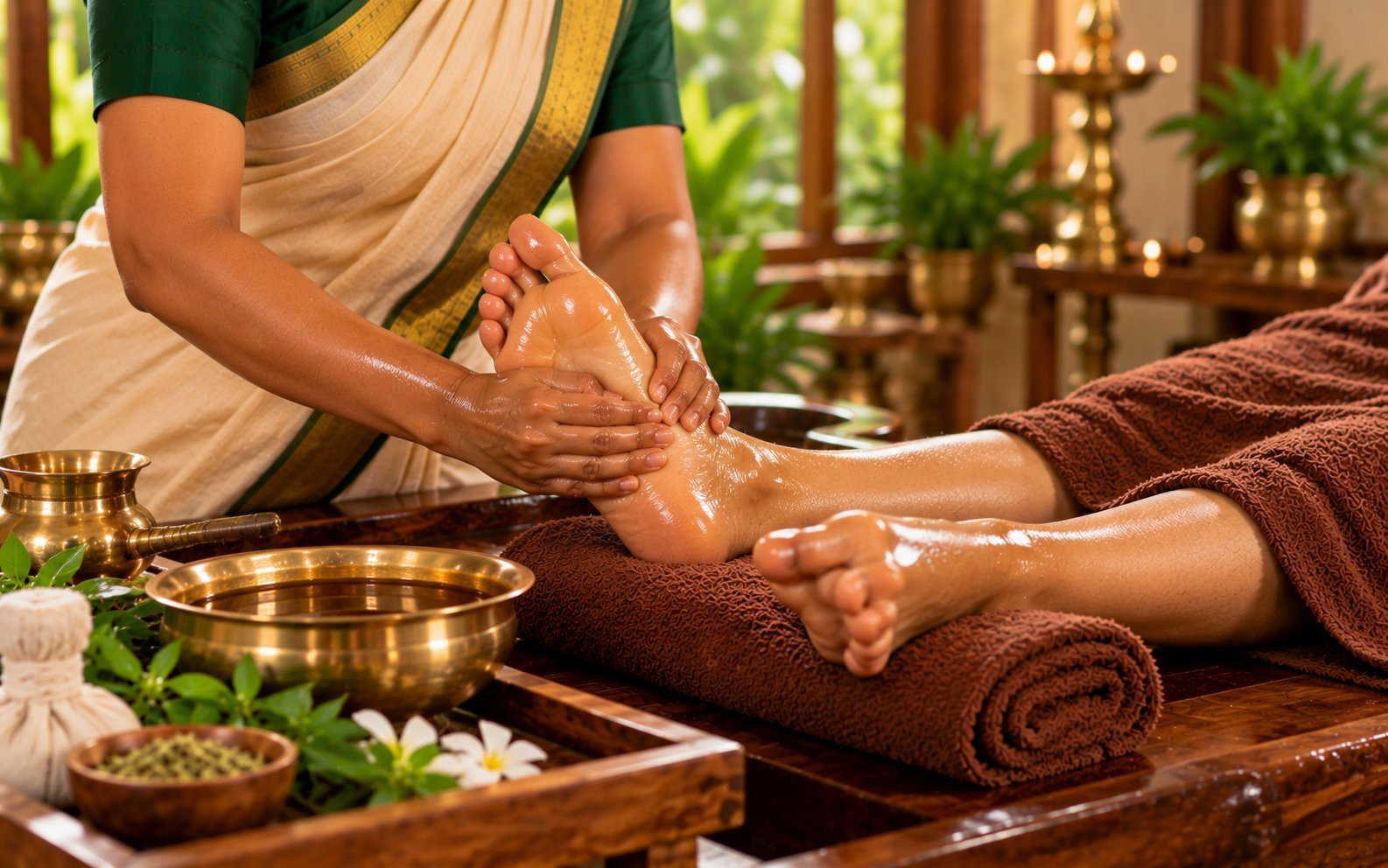 PadabhyangaTap to read full details
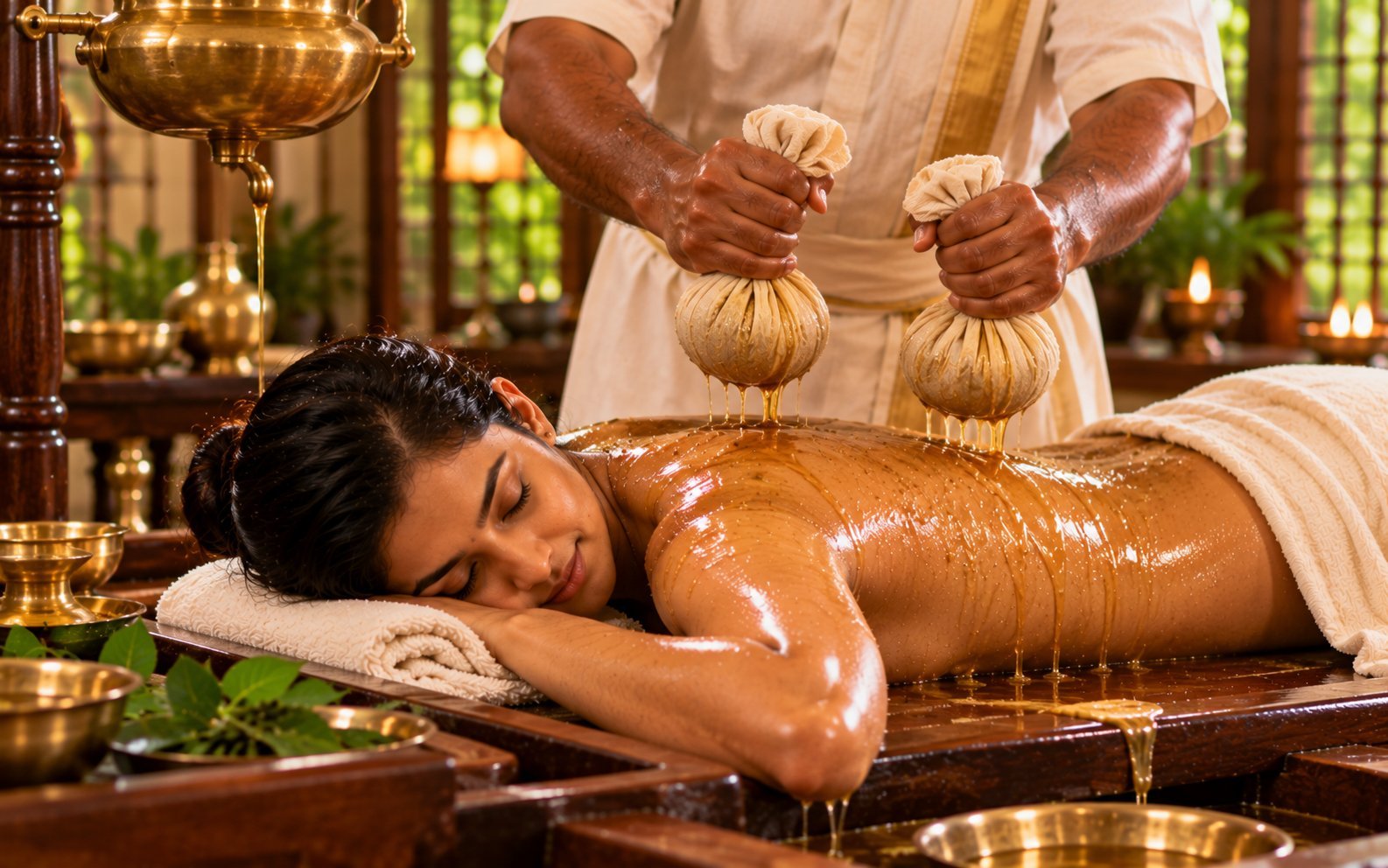 PizhichilTap to read full details
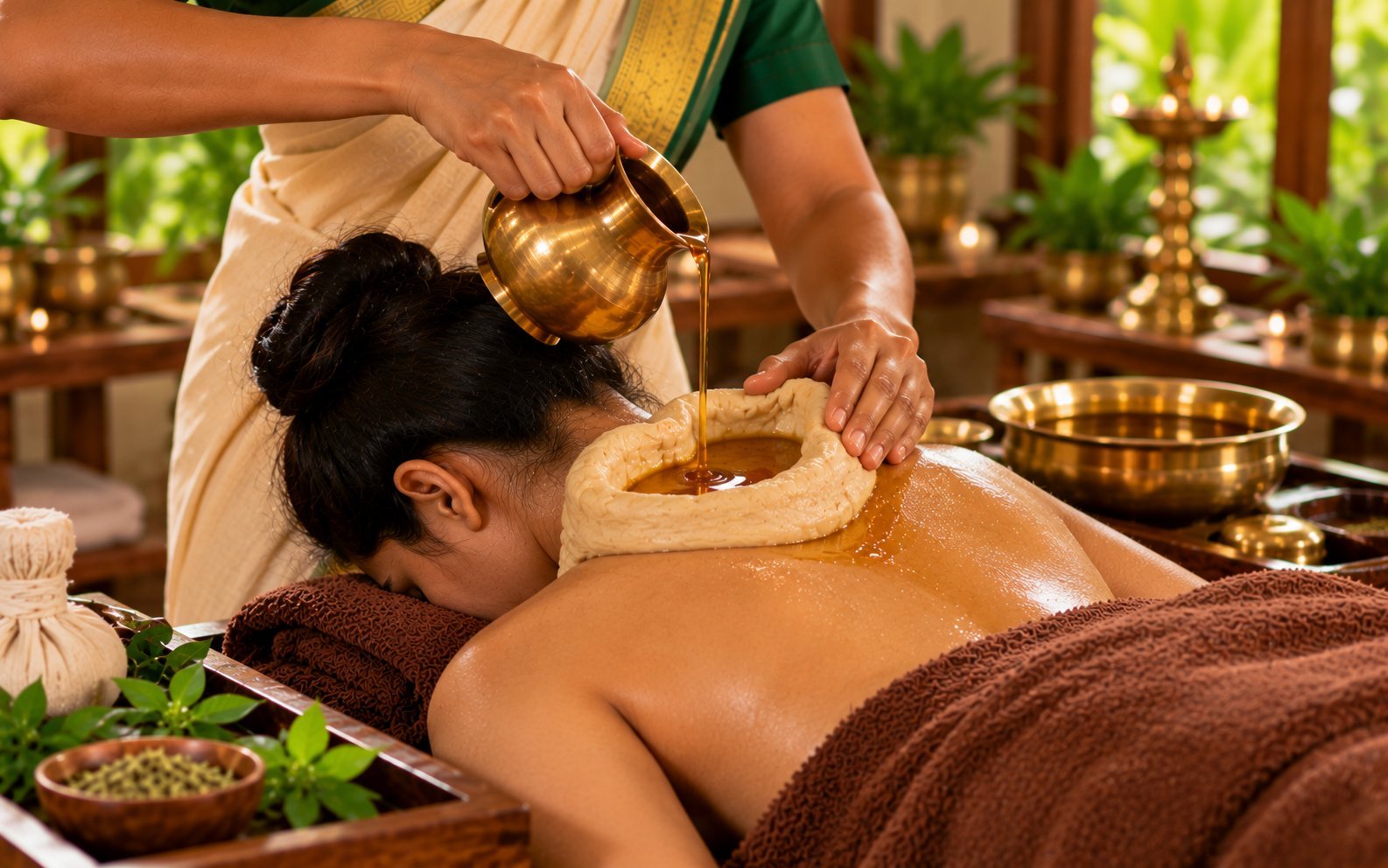 Greeva BastiTap to read full details
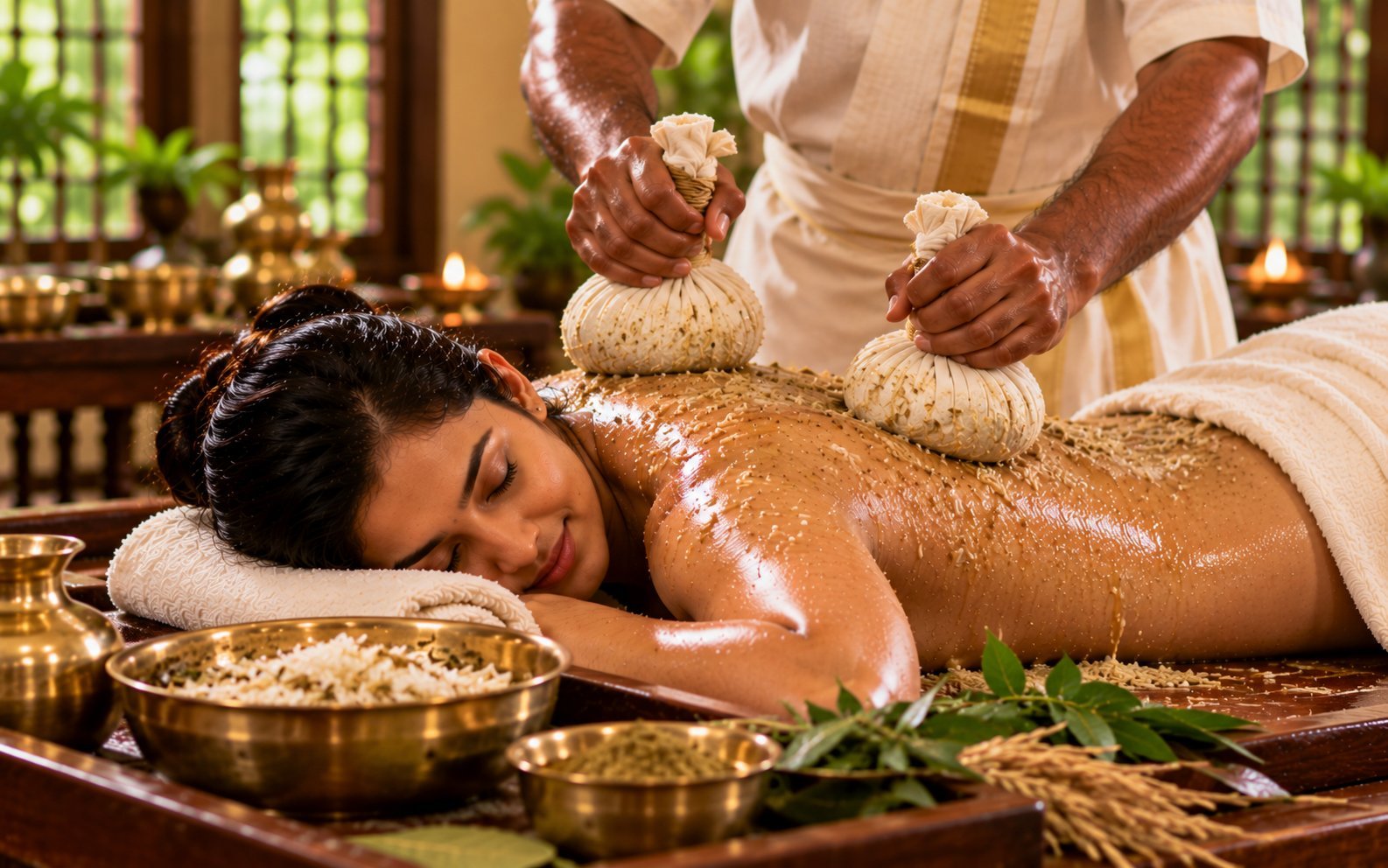 Shastika Shali Pinda SwedaTap to read full details
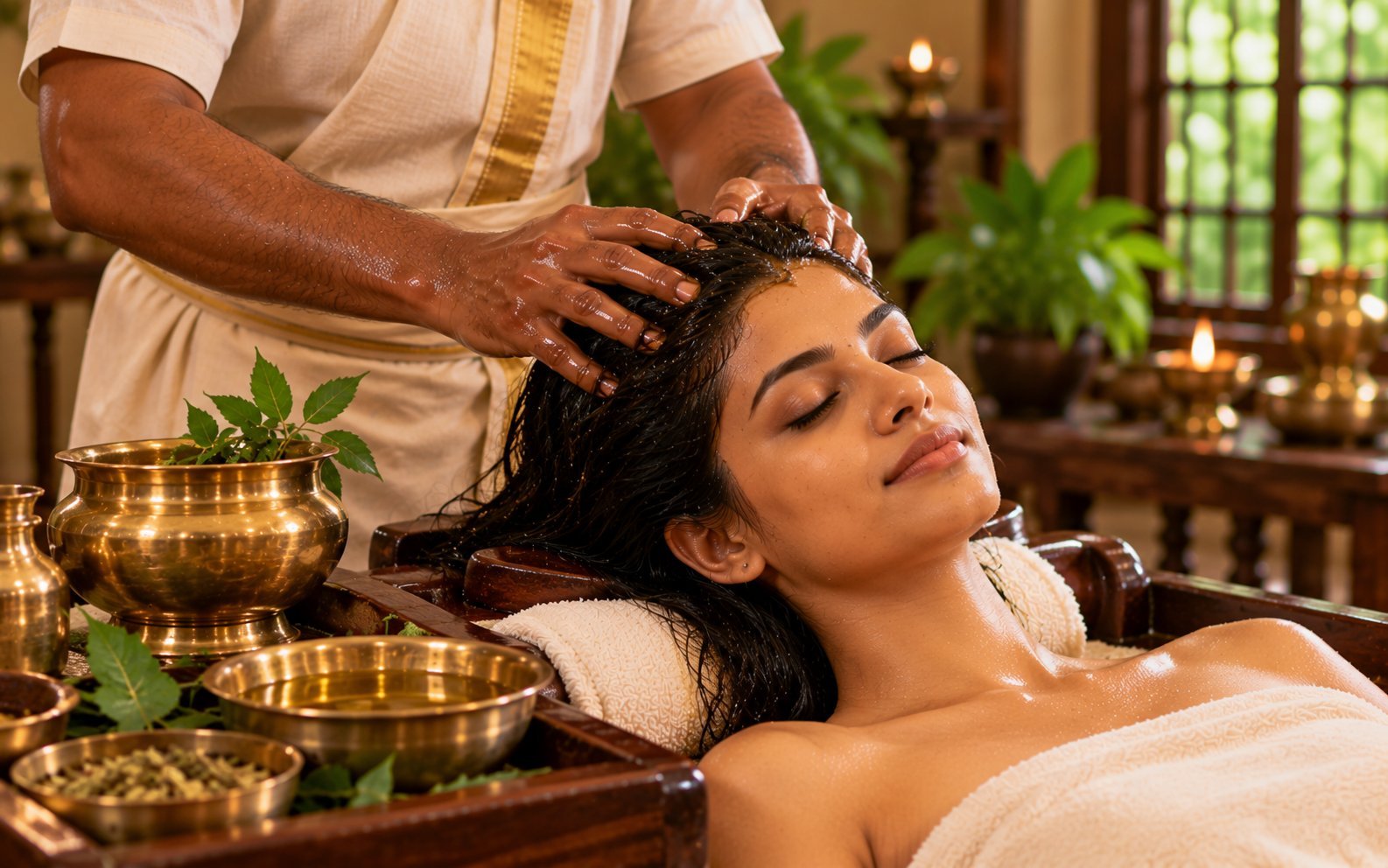 ShiroabhyangaTap to read full details
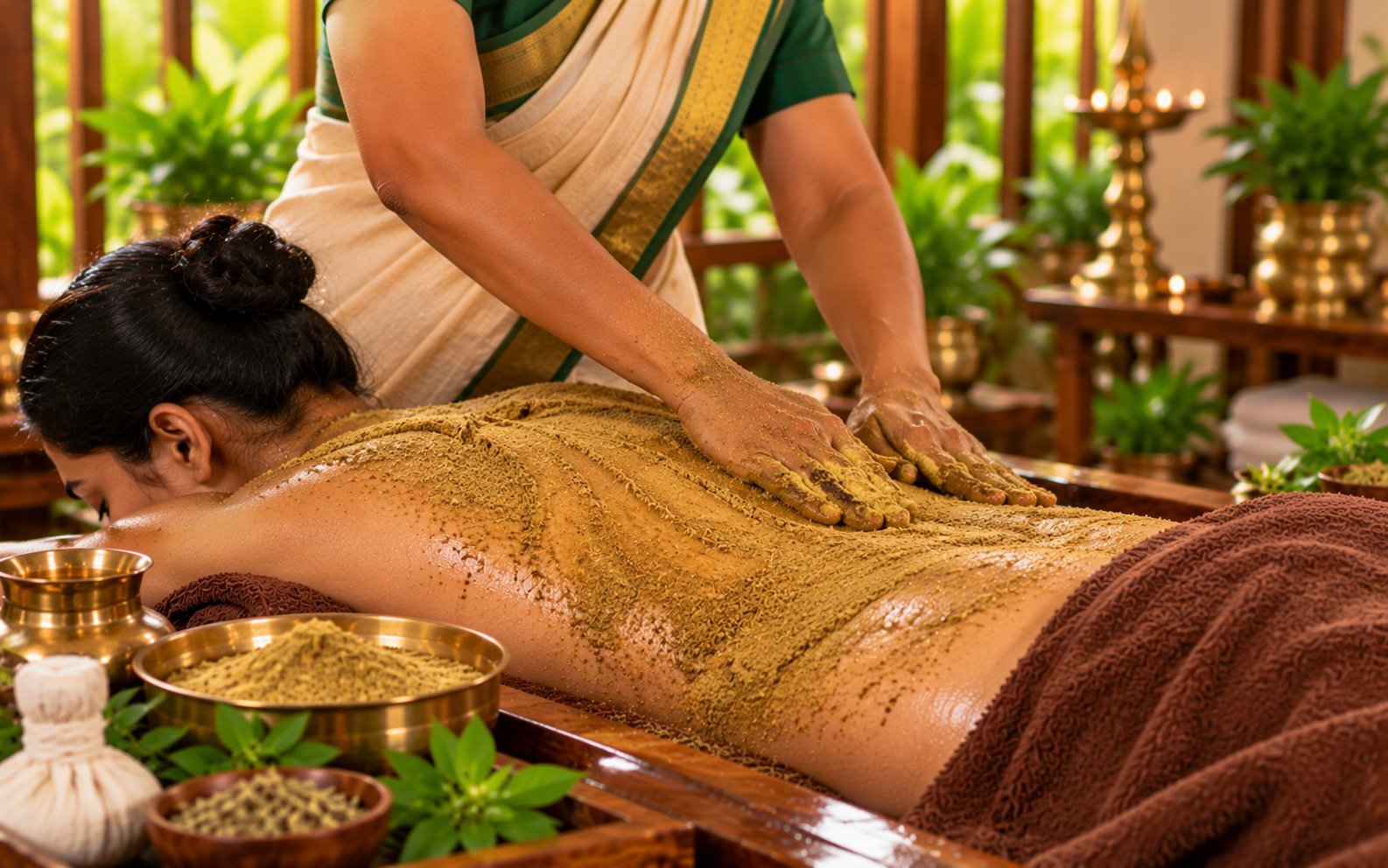 UdvartanaTap to read full details
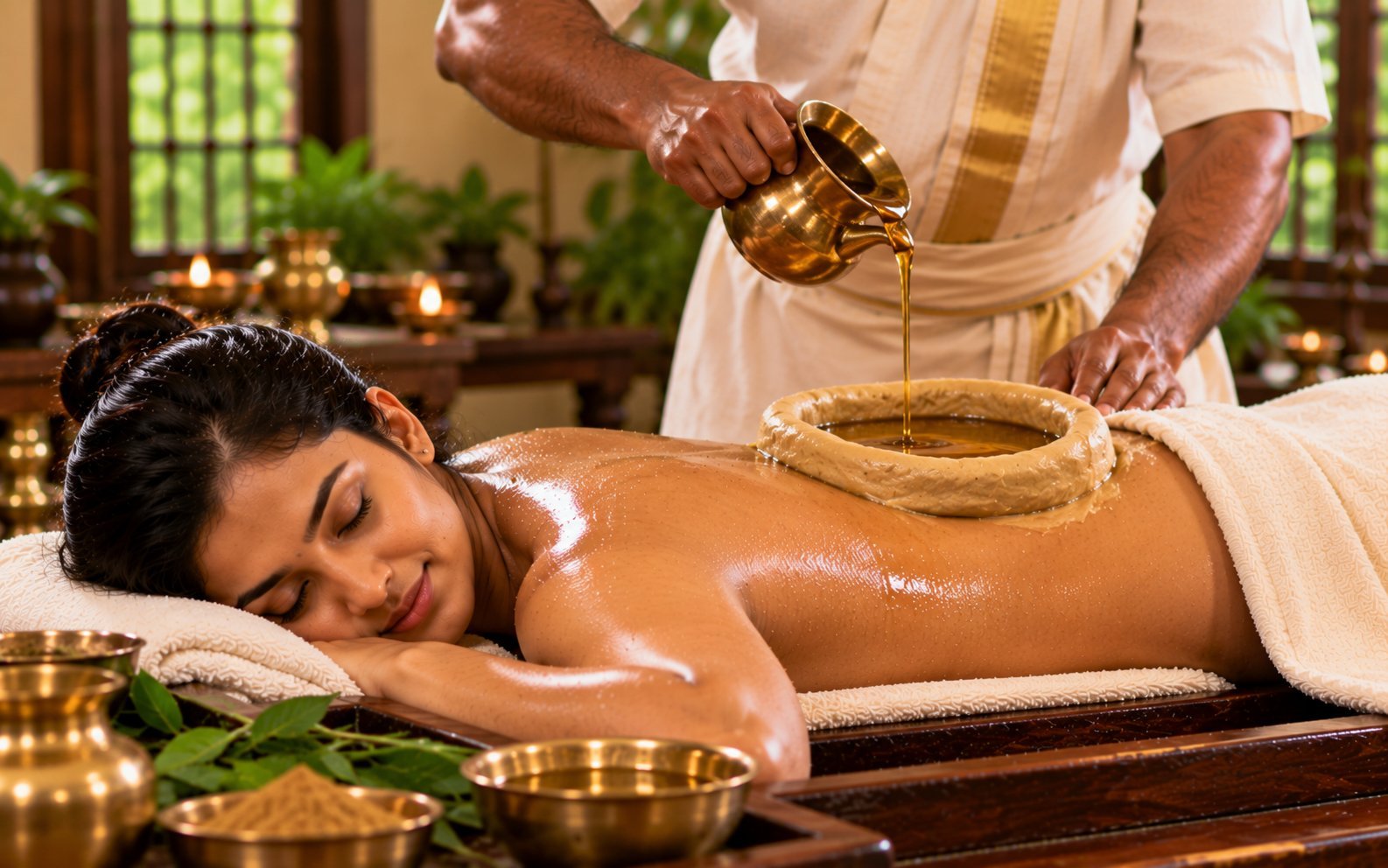 Kati BastiTap to read full details
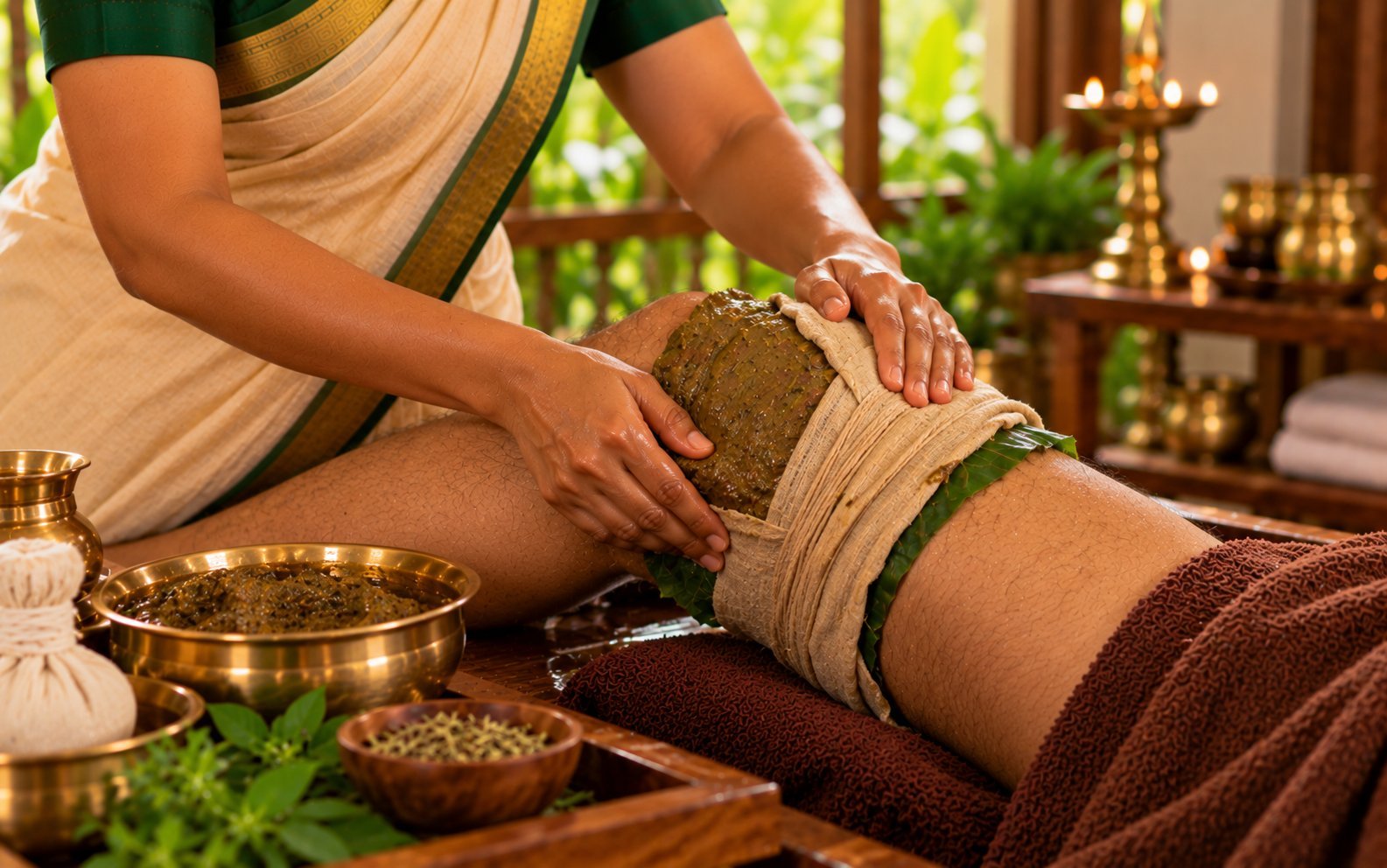 Upanaha SwedaTap to read full details
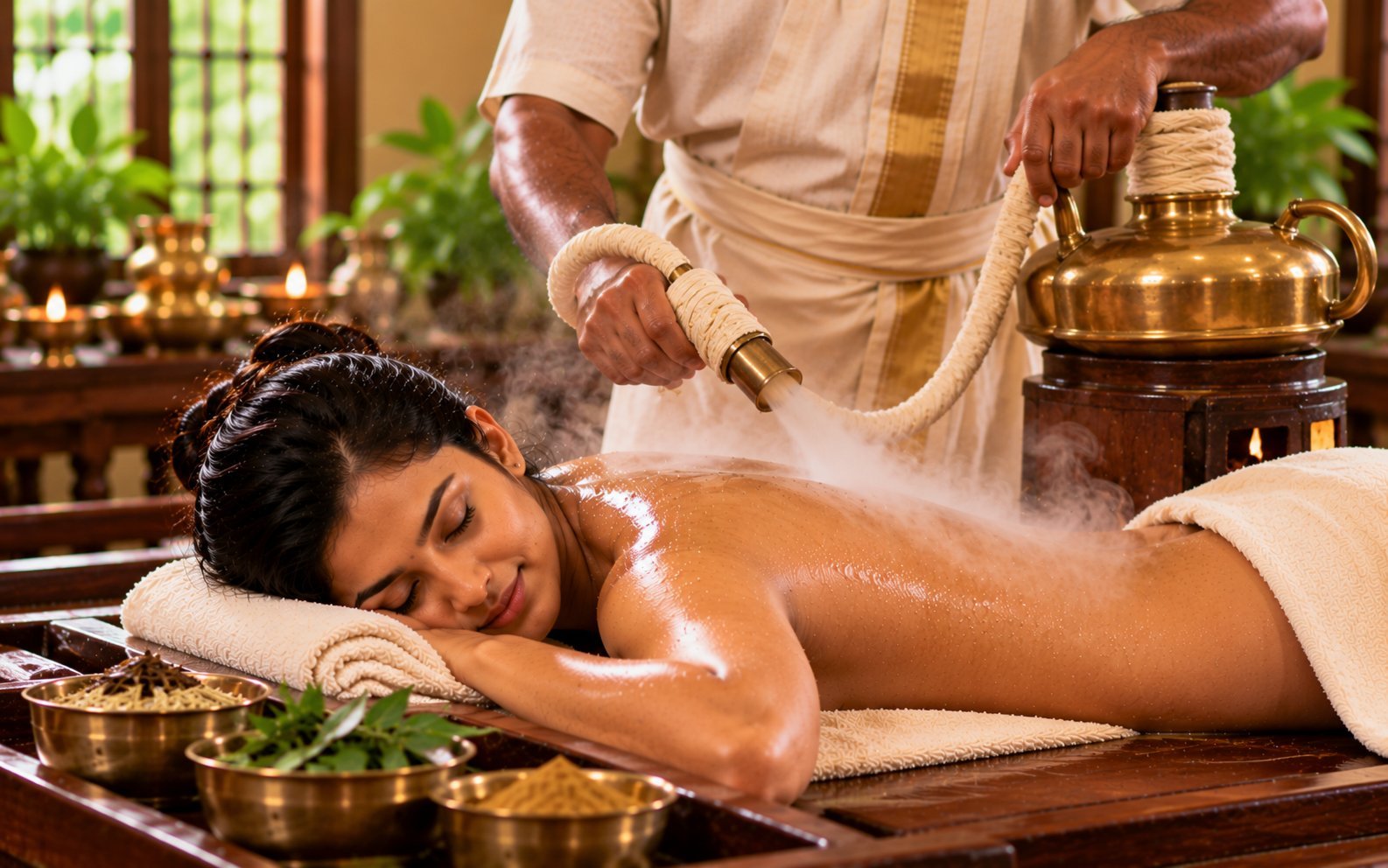 Nadi SwedaTap to read full details
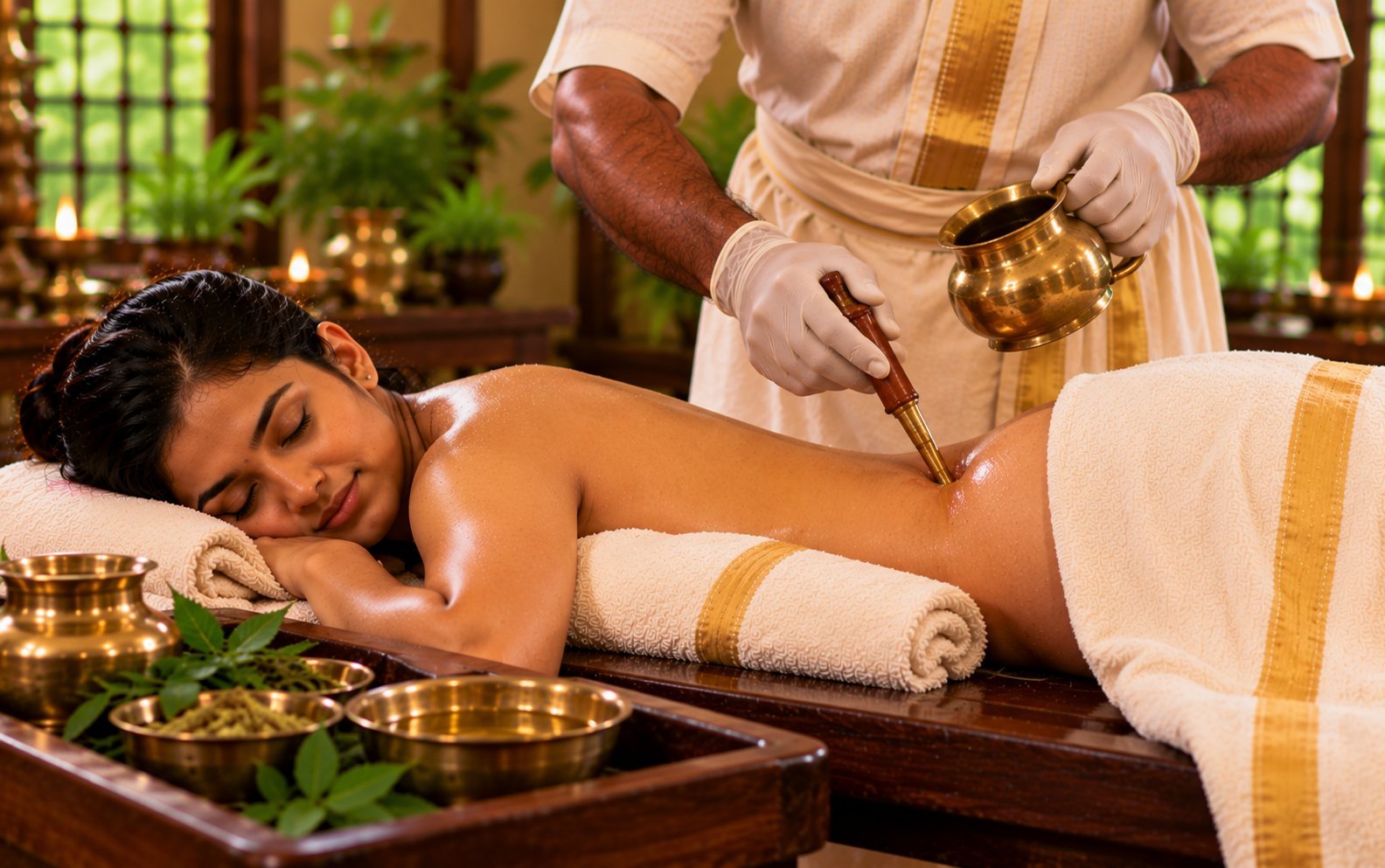 Kashaya VastiTap to read full details
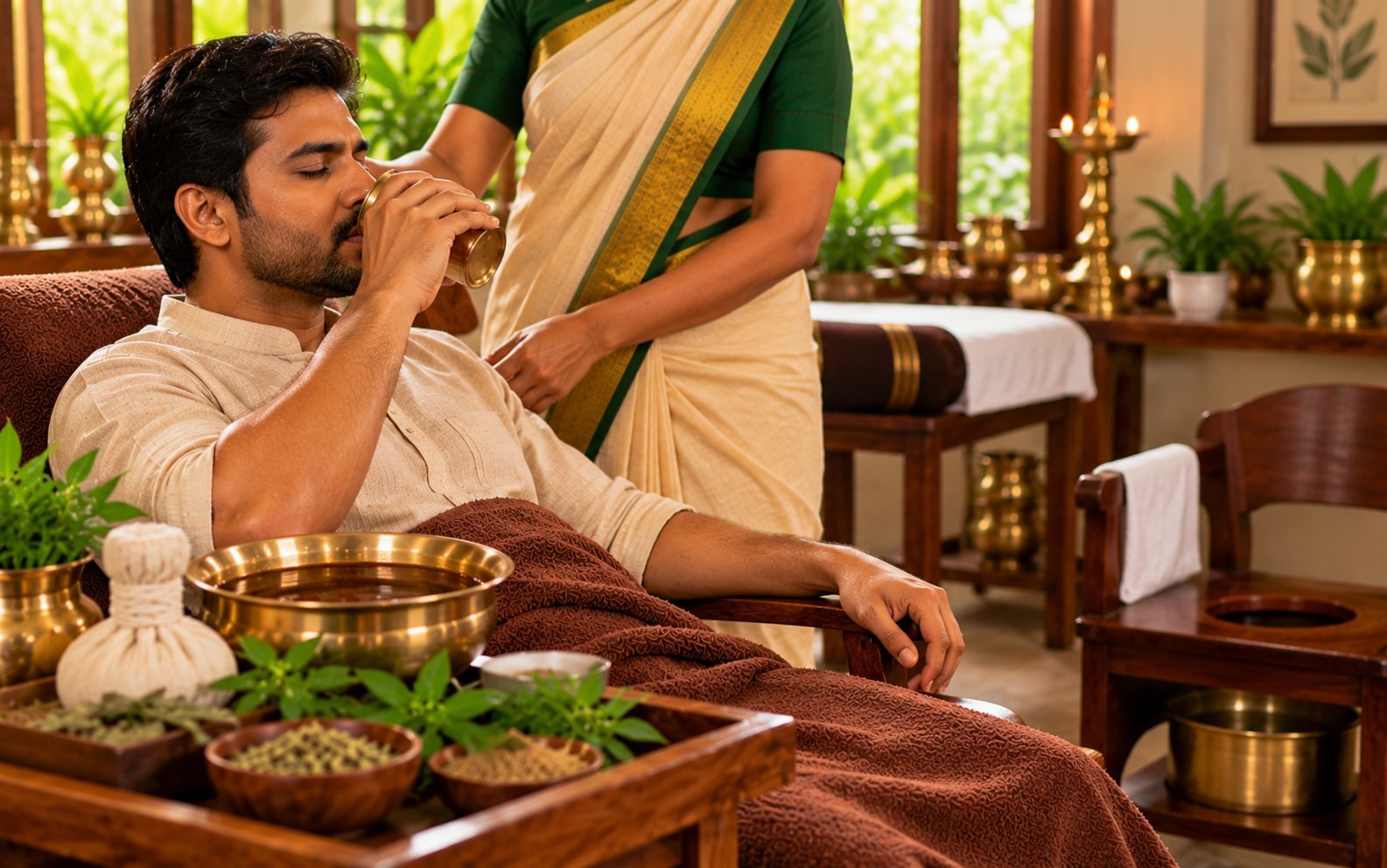 VirechanaTap to read full details
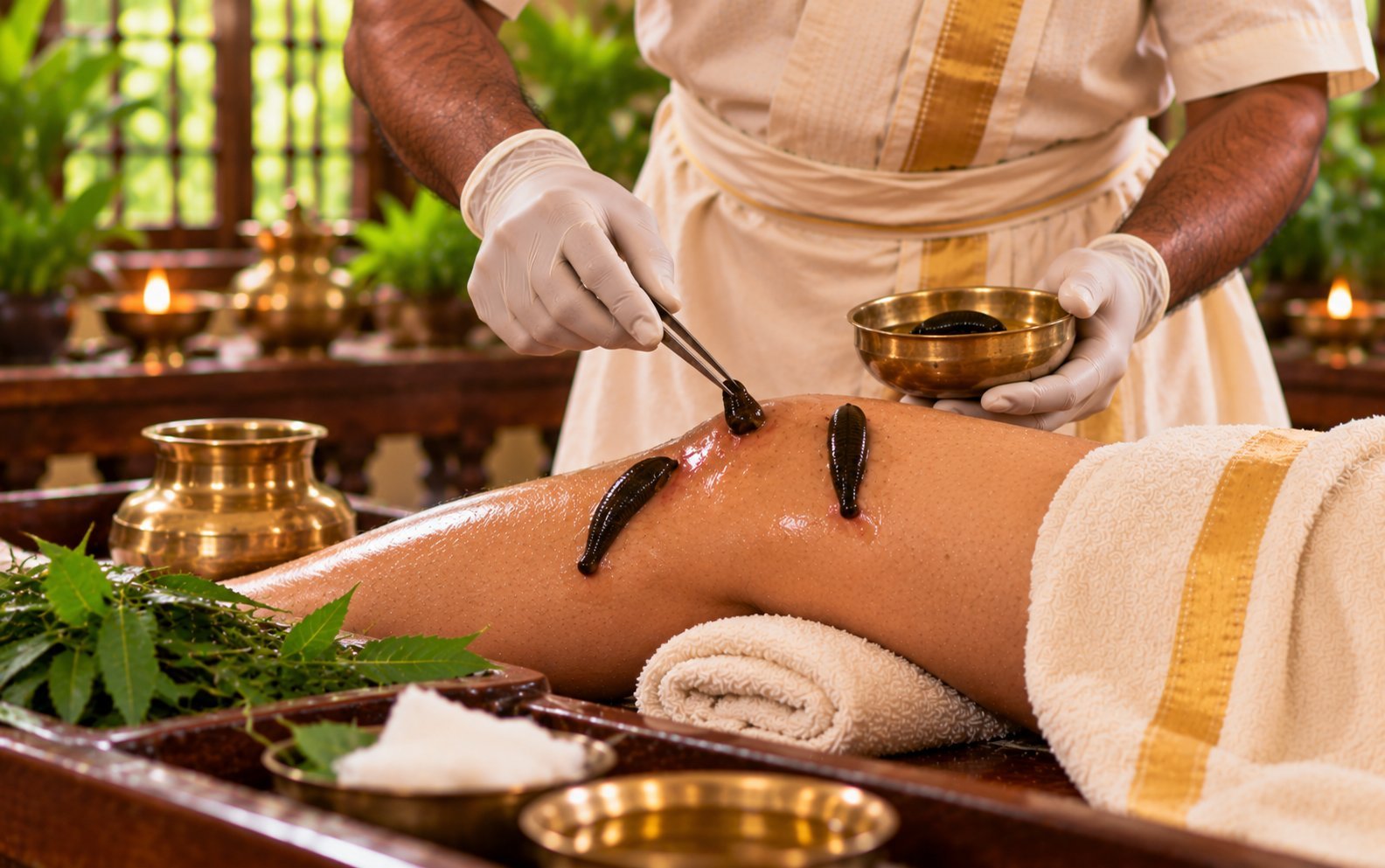 RaktamokshanaTap to read full details
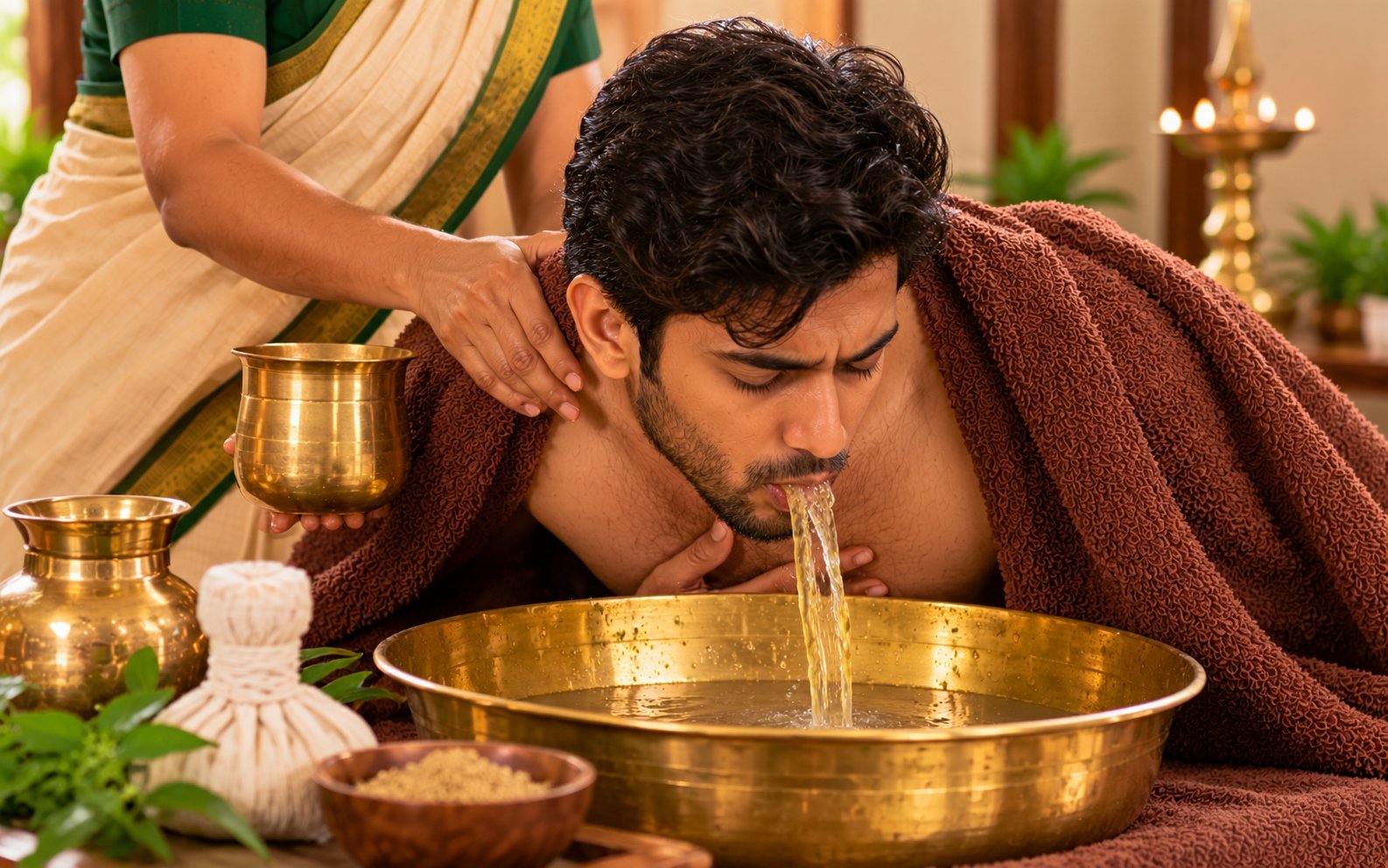 VamanTap to read full details
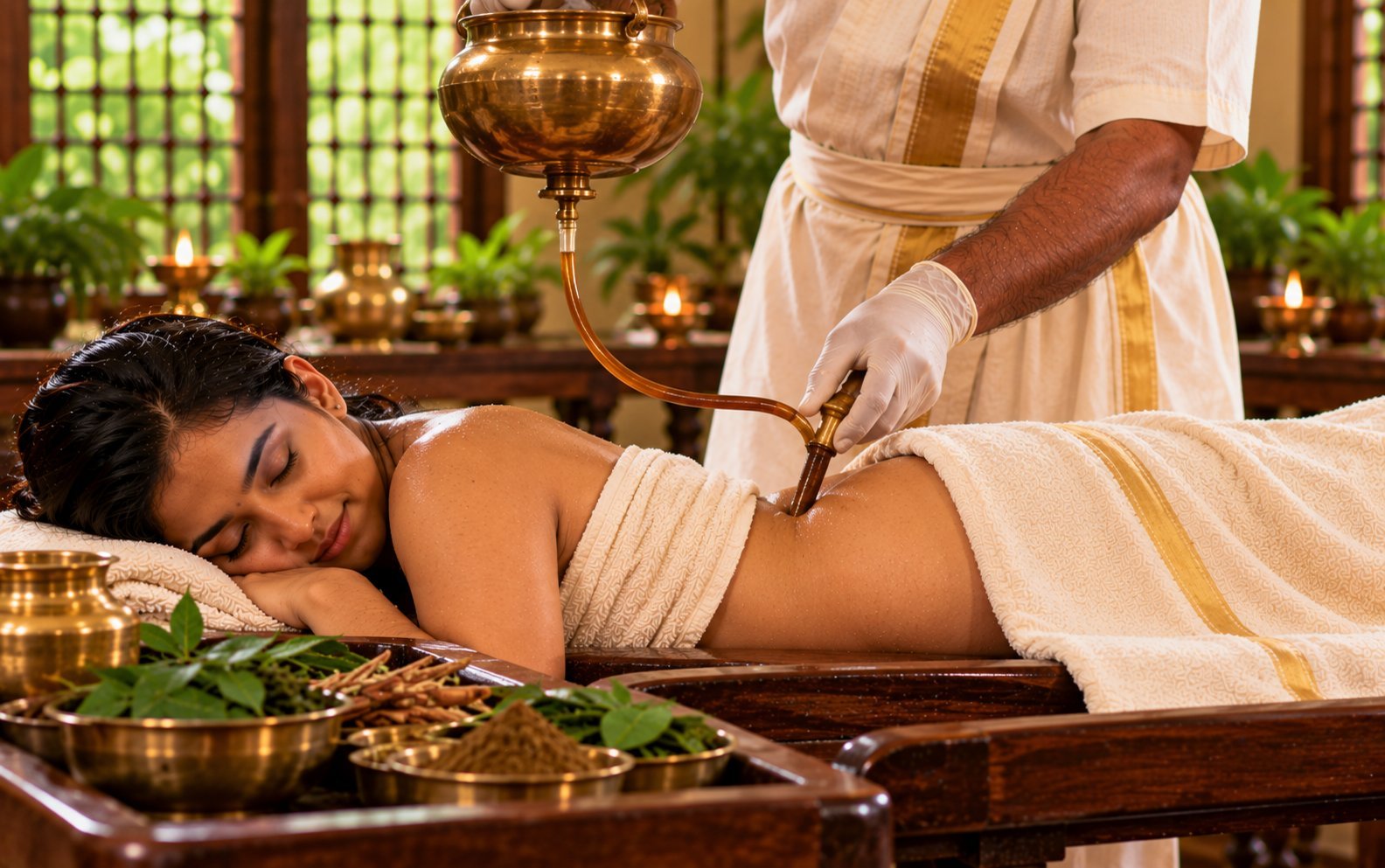 Matra BastiTap to read full details
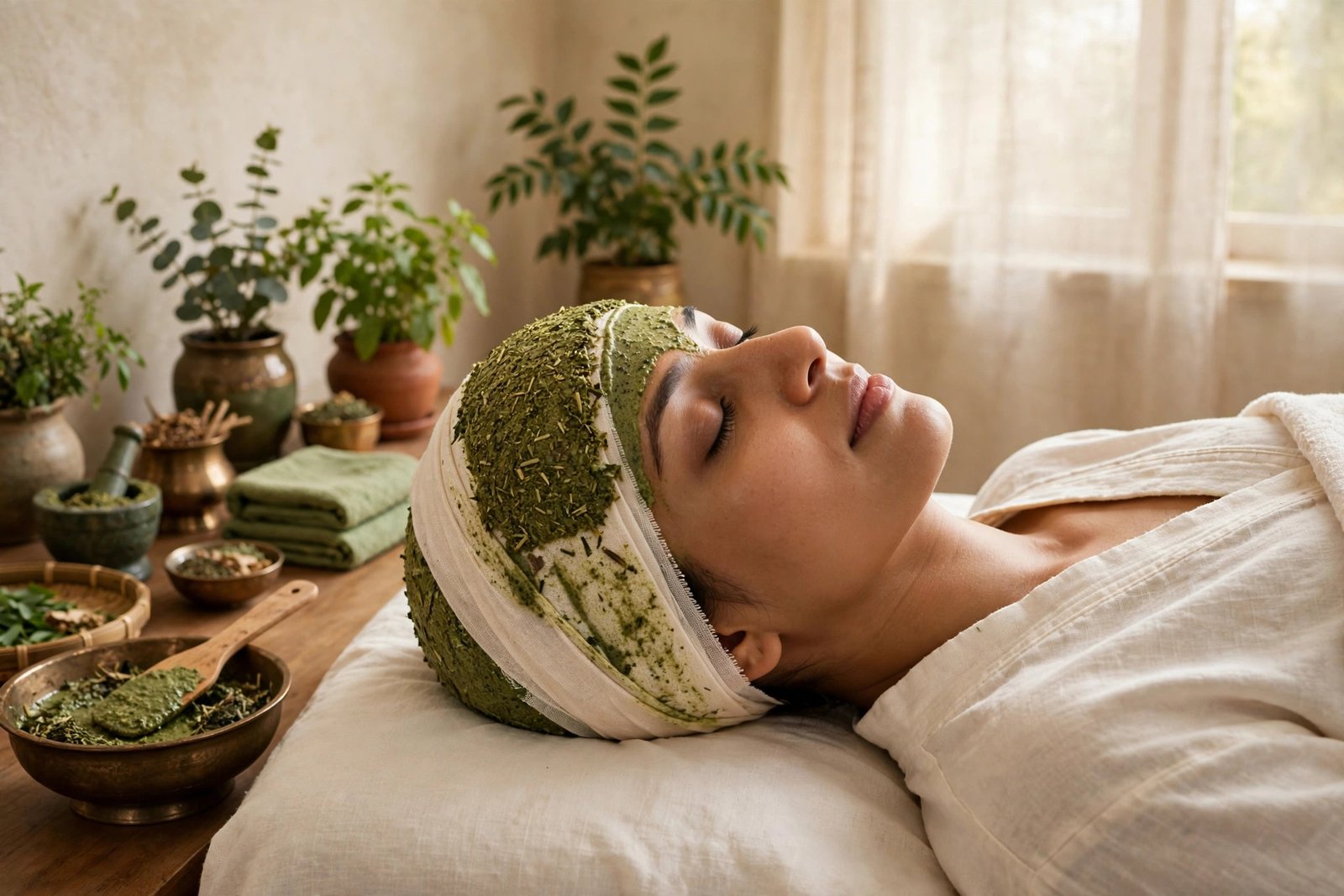 ThalapothichilTap to read full details
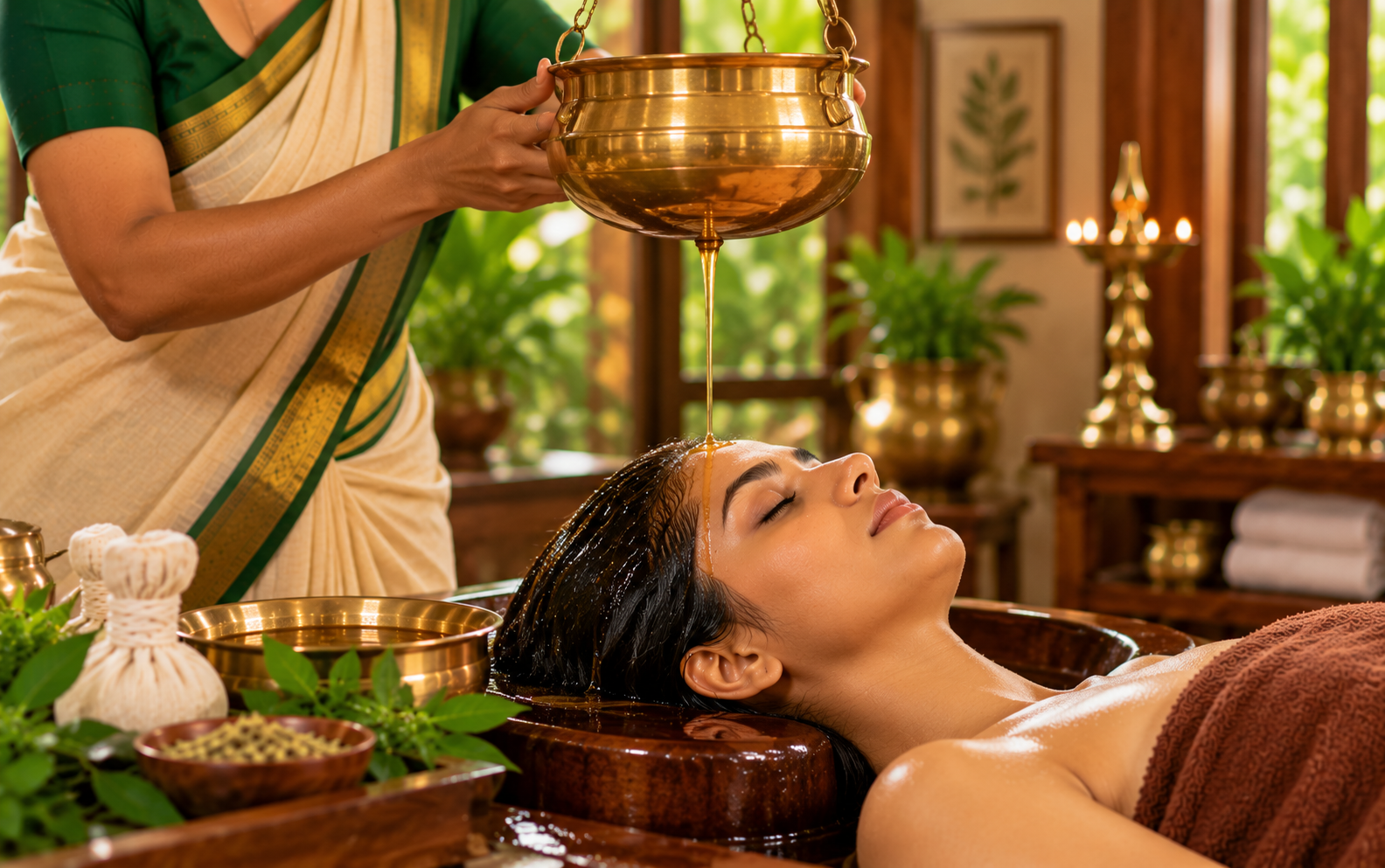 ShirodharaTap to read full details
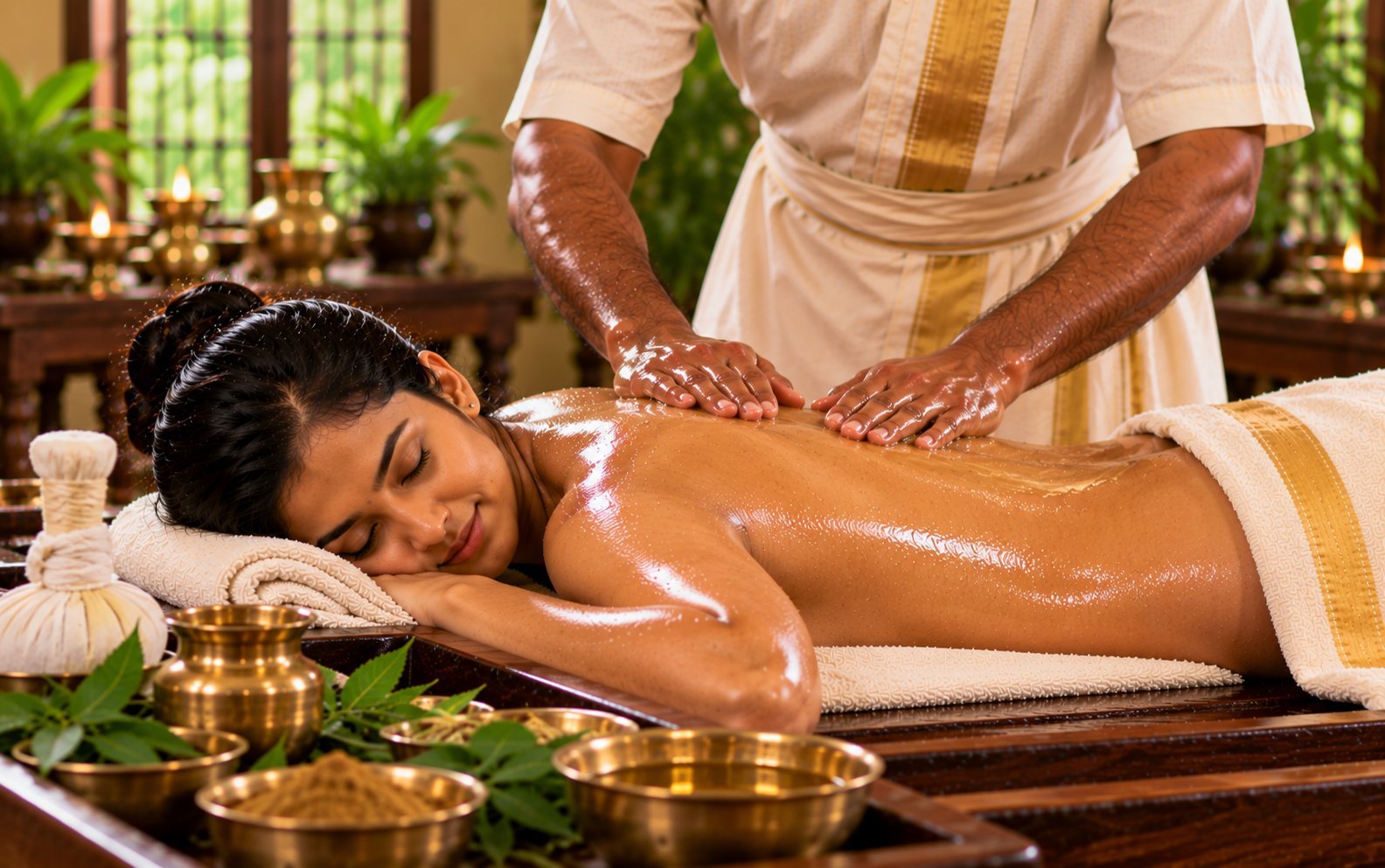 AbhyangaTap to read full details
 Janu BastiTap to read full details
 NasyaTap to read full details